Biomarkers in MAFLD: From Pathogenesis Discovery to Clinical Trial Endpoints
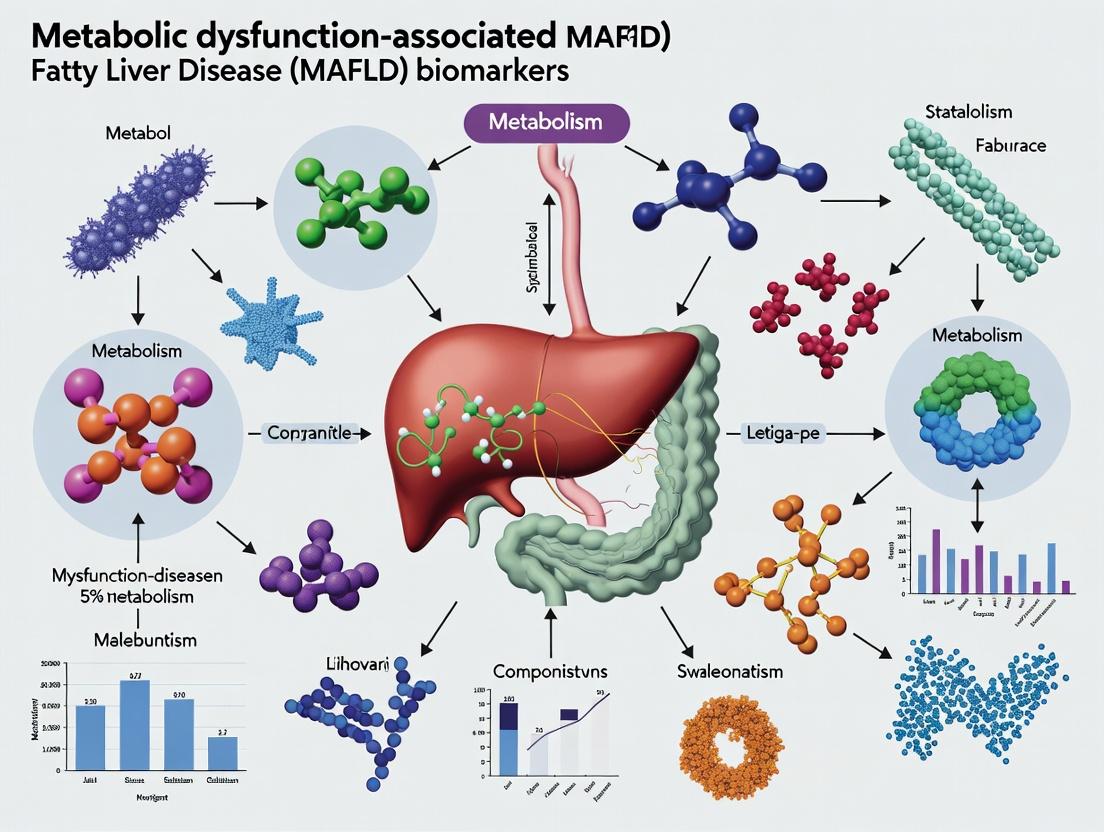
This review provides a comprehensive analysis of the current and emerging biomarker landscape for metabolic dysfunction-associated fatty liver disease (MAFLD).
Biomarkers in MAFLD: From Pathogenesis Discovery to Clinical Trial Endpoints
Abstract
This review provides a comprehensive analysis of the current and emerging biomarker landscape for metabolic dysfunction-associated fatty liver disease (MAFLD). We systematically explore the foundational pathophysiological roles of biomarkers, detail methodological approaches for their detection and application in research and drug development, address common challenges in assay optimization and interpretation, and critically compare the validation status and performance of individual and combined biomarkers. Targeted at researchers and pharmaceutical professionals, this article synthesizes the latest evidence to guide biomarker selection for mechanistic studies, patient stratification, and monitoring therapeutic efficacy in clinical trials, ultimately bridging the gap between discovery and regulatory endorsement.
Decoding MAFLD: Core Pathogenic Pathways and Their Biomarker Signatures
The redefinition from Non-Alcoholic Fatty Liver Disease (NAFLD) to Metabolic Dysfunction-Associated Fatty Liver Disease (MAFLD) represents a pivotal paradigm shift, moving from a diagnosis of exclusion to one based on positive, phenotypic criteria. This reframing centers the disease within the spectrum of metabolic dysfunction, demanding a parallel evolution in biomarker research to stratify risk, diagnose disease activity and stage, and monitor therapeutic response. This whitepaper details the diagnostic framework, explores promising biomarker candidates, and provides technical guidance for their evaluation.
The MAFLD Diagnostic Framework
MAFLD is diagnosed in individuals with hepatic steatosis (by imaging, blood biomarkers, or histology) plus one of the following three criteria:
- Overweight or Obesity (BMI ≥23 kg/m² in Asians, ≥25 kg/m² in non-Asians).
- Lean/Normal Weight with at least two metabolic risk abnormalities.
- Presence of Type 2 Diabetes Mellitus.
This inclusive, affirmative diagnosis co-exists with other liver diseases, necessitating biomarkers that can disentangle metabolic-driven injury from other etiologies.
Table 1: Core Diagnostic Criteria for MAFLD versus Historical NAFLD Criteria
| Feature | MAFLD (2020 Consensus) | Traditional NAFLD |
|---|---|---|
| Diagnostic Basis | Positive criteria (steatosis + metabolic dysregulation) | Diagnosis of exclusion (steatosis, no significant alcohol, no other cause) |
| Required Steatosis | Yes (imaging, biomarkers, or histology) | Yes (imaging or histology) |
| Alcohol Intake | Does not exclude diagnosis | Must exclude significant intake (typically <20-30 g/day for men, <10-20 g/day for women) |
| Co-existing Liver Disease | Permitted (dual etiology acknowledged) | Excludes other chronic liver diseases |
| Core Driver | Metabolic Dysfunction | Not explicitly defined; implied by "non-alcoholic" |
| Lean/Normal Weight | Included if ≥2 metabolic risk abnormalities | Classified as "Lean NAFLD" |
Biomarker Imperative and Candidate Pathways
The new criteria create an urgent need for biomarkers that reflect the specific pathophysiology of metabolic hepatic injury. Key pathways include insulin resistance, lipotoxicity, inflammation (especially hepatocyte apoptosis and Kupffer cell activation), and fibrogenesis.
Diagram 1: Core MAFLD Pathogenic Pathways & Biomarker Origins
Detailed Experimental Protocols for Key Biomarker Research
Protocol 1: Comprehensive Serum Biomarker Profiling in a MAFLD Cohort
- Objective: To quantify a panel of candidate biomarkers across the MAFLD spectrum and correlate with histological and clinical endpoints.
- Cohort: Biobanked serum from well-phenotyped MAFLD patients (simple steatosis, MASH, MASH with fibrosis) and controls.
- Methodology:
- Multiplex Immunoassay: Use Luminex xMAP or MSD platform to simultaneously quantify inflammatory cytokines (e.g., IL-1β, IL-6, TNF-α, IL-8), adipokines (e.g., adiponectin, leptin), and chemokines (e.g., MCP-1). Follow manufacturer's protocol for incubation, wash, and detection.
- ELISA for Apoptosis Markers: Quantify CK-18 (M30 & M65 epitopes) fragments using commercial ELISA kits. Run in duplicate, interpolate concentrations from a standard curve.
- Metabolomic/Lipidomic Profiling: Perform ultra-high-performance liquid chromatography coupled with tandem mass spectrometry (UHPLC-MS/MS). Extract lipids/metabolites from serum via methanol precipitation. Identify and quantify lipid species (e.g., DAGs, ceramides, phospholipids) using targeted MS/MS methods with internal standards.
- Statistical Analysis: Apply Kruskal-Wallis with Dunn’s post-hoc test for group comparisons. Perform Spearman correlation with histology scores (NAS, SAF). Use AUROC analysis for diagnostic performance.
Protocol 2: Ex Vivo Macrophage Activation Assay with MAFLD Patient Serum
- Objective: To functionally assess the pro-inflammatory potential of patient serum.
- Cell Line: Human THP-1 monocytes differentiated into macrophages (using PMA).
- Workflow:
- Differentiate THP-1 cells in 96-well plates (100 nM PMA, 48h). Rest for 24h in fresh medium.
- Treat macrophages with 10% serum from MAFLD patients or controls for 24h.
- Collect supernatant for subsequent cytokine measurement (Protocol 1, step 1).
- Extract cellular RNA. Perform qRT-PCR for markers of M1 polarization (e.g., TNF, IL1B, NOS2) and M2 polarization (e.g., MRC1, ARG1).
- Normalize gene expression to housekeeping genes (e.g., ACTB, GAPDH) using the ΔΔCt method.
Diagram 2: Ex Vivo Macrophage Activation Assay Workflow
Table 2: Promising MAFLD Biomarker Categories and Examples
| Category | Candidate Biomarkers | Pathophysiological Link | Measurement Platform |
|---|---|---|---|
| Cell Death & Injury | Cytokeratin-18 fragments (M30, M65), Full-length K18 | Hepatocyte apoptosis/necrosis | ELISA, Immunoassay |
| Metabolic Dysfunction | Adiponectin, FGF-21, PNPLA3 genotype, IGFBP-2 | Insulin resistance, adipose tissue function | ELISA, Genotyping, MS |
| Inflammation | IL-1β, IL-6, TNF-α, hsCRP, MCP-1, Ferritin | Systemic & hepatic inflammation | Multiplex Immunoassay |
| Lipotoxicity | Specific Ceramide (e.g., Cer-16), DAG species, Bile Acids | Lipotoxic injury, metabolic signaling | LC-MS/MS |
| Extracellular Matrix | Pro-C3 (N-terminal type III collagen propeptide), ELF score, TIMP-1 | Fibrogenesis & Stellate Cell Activity | ELISA, Automated Immunoassay |
The Scientist's Toolkit: Key Research Reagent Solutions
Table 3: Essential Reagents and Materials for MAFLD Biomarker Research
| Item | Function/Application | Example/Note |
|---|---|---|
| Human MAFLD Patient Serum/Plasma | Primary sample for biomarker discovery/validation. | Must be from well-characterized cohorts with histology. Store at -80°C. |
| Multiplex Cytokine Panels | Simultaneous quantification of inflammatory mediators. | Milliplex (Merck) or V-PLEX (MSD) Human Cytokine Panels. |
| CK-18 M30/M65 ELISA Kits | Gold-standard apoptosis/necrosis markers for MASH. | PEVIVA (Diapharma) kits. Run M30 and M65 in parallel. |
| Pro-C3 ELISA | Specific marker of active fibrogenesis. | Nordic Bioscience ELISA (C3M or Pro-C3). |
| Lipidomics Internal Standard Mix | Quantification of lipid species via mass spectrometry. | Avanti Polar Lipids SPLASH LIPIDOMIX or equivalent. |
| THP-1 Cell Line | Model for human monocyte-derived macrophage assays. | Differentiate with Phorbol 12-myristate 13-acetate (PMA). |
| RNA Isolation Kit | High-quality RNA extraction for gene expression analysis. | Qiagen RNeasy or equivalent with DNase treatment. |
| UHPLC-MS/MS System | Platform for targeted/untargeted metabolomics & lipidomics. | Requires stable chromatography and high-resolution MS. |
| Histology Scoring Services | Gold-standard validation for biomarker studies. | Central pathologist using NASH-CRN or SAF scoring systems. |
Metabolic dysfunction-associated fatty liver disease (MAFLD) represents a significant global health burden. Within the broader thesis of MAFLD biomarker discovery, identifying genetic drivers of steatosis is paramount for risk stratification, understanding pathogenesis, and developing targeted therapeutics. This whitepaper focuses on key genetic biomarkers—PNPLA3 and TM6SF2—that directly influence hepatic lipid accumulation and de novo lipogenesis (DNL), serving as critical determinants of steatosis severity and progression.
Core Genetic Biomarkers: Function & Mechanism
Patatin-like Phospholipase Domain-containing 3 (PNPLA3)
The PNPLA3 I148M variant (rs738409 C>G) is the most robust genetic determinant of hepatic fat content. The mutant protein loses its triacylglycerol hydrolase activity and acquires aberrant functions that promote lipid droplet stabilization and impair lipolysis.
Transmembrane 6 Superfamily Member 2 (TM6SF2)
The TM6SF2 E167K variant (rs58542926 C>T) results in protein misfolding and degradation, reducing its function in hepatic triglyceride-rich lipoprotein secretion. This leads to intrahepatic retention of triglycerides.
Table 1: Impact of Key Genetic Variants on MAFLD Phenotypes
| Variant (Gene) | Risk Allele | Allele Frequency (Global Approx.) | Hepatic Fat Increase (vs. Wild-type) | Odds Ratio for Advanced Fibrosis | Effect on Serum Lipids |
|---|---|---|---|---|---|
| I148M (PNPLA3) | G (M148) | 23-49% | +20% to +80% | 1.8 - 3.2 | Lower TG, Lower LDL-C |
| E167K (TM6SF2) | T (K167) | 5-12% | +30% to +60% | 1.5 - 2.2 | Significantly lower TG & LDL-C |
| rs641738 (MBOAT7) | C | 37-55% | +10% to +30% | 1.2 - 1.5 | Minimal change |
Table 2: Functional Consequences of Variant Proteins
| Gene Variant | Enzymatic Activity | VLDL Secretion | DNL Regulation | Lipid Droplet Dynamics |
|---|---|---|---|---|
| PNPLA3 I148M | Severely impaired TG hydrolase | Mildly reduced | Upregulated via SREBP1c | Enhanced stabilization, reduced turnover |
| TM6SF2 E167K | N/A (chaperone function lost) | Markedly reduced (40-60%) | Secondarily increased | Increased TG retention in ER & cytoplasm |
| Wild-type | Normal hydrolysis of TGs & retinyl esters | Normal | Baseline | Normal remodeling & lipophagy |
Experimental Protocols for Key Studies
Protocol:In VitroAssessment of PNPLA3 I148M on Lipid Droplet Accumulation
- Objective: Quantify neutral lipid accumulation in isogenic human hepatoma cells (e.g., HepG2, HulH-7) expressing wild-type (I148) or mutant (M148) PNPLA3.
- Cell Model Generation: Use CRISPR-Cas9 to create isogenic PNPLA3 I148M knock-in or employ lentiviral transduction for overexpression.
- Treatment & Lipid Loading: Culture cells in medium supplemented with 400 µM oleic acid complexed to BSA (2:1 molar ratio) for 24-48 hours.
- Staining & Quantification:
- Fix cells with 4% PFA.
- Stain neutral lipids with 1 µg/mL BODIPY 493/503 or Nile Red in PBS for 15 min.
- Counterstain nuclei with Hoechst 33342.
- Image using high-content microscopy (≥20 fields/well).
- Quantify total lipid droplet area/cell or mean fluorescence intensity using ImageJ/Fiji.
- Validation: Parallel wells for Western blot (anti-PNPLA3) and cellular triglyceride quantification via colorimetric/enzymatic kit.
Protocol: MeasuringDe NovoLipogenesis FluxIn Vivo
- Objective: Measure the contribution of DNL to hepatic triglycerides in animal models or humans with variant genotypes.
- Isotope Tracer Method (Human Clinical):
- Infusion: After an overnight fast, administer a continuous intravenous infusion of [U-¹³C]acetate or deuterated water (²H₂O) with a priming bolus.
- Sampling: Collect serial blood samples over 6-8 hours. Perform a percutaneous liver biopsy at the end of the infusion.
- Sample Processing: Isolate triglycerides from plasma and liver tissue by Folch extraction.
- Mass Spectrometry Analysis: Derivatize fatty acids to methyl esters (FAMEs). Analyze by GC-MS to determine ¹³C or ²H enrichment in palmitate (C16:0).
- Calculation: DNL contribution (%) = (Enrichment in palmitate / Enrichment in precursor (body water or acetyl-CoA)) × 100.
- Genotyping: DNA from blood is genotyped for PNPLA3 rs738409 and TM6SF2 rs58542926 via TaqMan PCR.
Visualizations
Diagram Title: PNPLA3 I148M Mutation Impairs Lipid Droplet Hydrolysis
Diagram Title: MAFLD Genotype-Phenotype Research Workflow
The Scientist's Toolkit: Research Reagent Solutions
Table 3: Essential Reagents and Kits for Investigating Steatosis Drivers
| Item Name | Supplier Examples | Function / Application in Research |
|---|---|---|
| Isogenic Cell Lines (PNPLA3/TM6SF2) | ATCC, Horizon Discovery | Provide genetically controlled cellular models for mechanistic studies. |
| CRISPR-Cas9 Knock-in/KO Kits | Synthego, IDT, ToolGen | For creating precise genetic variants (e.g., I148M, E167K) in hepatoma or stem cell-derived hepatocytes. |
| BODIPY 493/503 or Nile Red | Thermo Fisher, Cayman Chemical | Fluorescent dyes for neutral lipid staining and quantification by microscopy/flow cytometry. |
| Cellular Triglyceride Quantification Kit | Abcam, Sigma-Aldrich, Cell Biolabs | Colorimetric/Fluorometric measurement of intracellular TG content from cell lysates. |
| SREBP-1 & Lipogenic Gene PCR Array | Qiagen, Bio-Rad | Profiling expression of DNL pathway genes (ACACA, FASN, SCD1, etc.). |
| Deuterated Water (²H₂O) & [U-¹³C]Acetate | Cambridge Isotopes, Sigma-Aldrich | Stable isotope tracers for measuring de novo lipogenesis flux in vivo and in vitro. |
| TaqMan Genotyping Assays (rs738409, rs58542926) | Thermo Fisher | Gold-standard for accurate, high-throughput SNP genotyping in patient cohorts. |
| Recombinant Human PNPLA3 (WT & MUT) Protein | Novus Biologicals, Abcam | For in vitro enzymatic activity assays (hydrolase) and antibody validation. |
| Anti-PNPLA3 / Anti-TM6SF2 Antibodies (Validated for IF/WB) | Santa Cruz, Proteintech, Abnova | Detection of protein expression, localization, and stability in tissue/cell samples. |
| Lipidomics Analysis Service/Kit | Metabolon, Cayman Chemical, Avanti | Comprehensive profiling of lipid species (TG, DG, PL) from tissue or plasma samples. |
Within the spectrum of metabolic dysfunction-associated fatty liver disease (MAFLD), the transition from simple steatosis to steatohepatitis (MASH) is driven by hepatocellular injury and death, triggering progressive inflammation and fibrosis. Apoptosis has long been considered the dominant cell death pathway; however, emerging evidence underscores the critical role of necroptosis, a regulated form of inflammatory cell death. Unlike apoptosis, necroptosis results in plasma membrane rupture, releasing intracellular damage-associated molecular patterns (DAMPs) that amplify hepatic inflammation. This technical guide focuses on three key biomarkers—cytokines, cytokeratin-18 (CK-18) fragments, and cell-free DNA (cfDNA)—as specific indicators of necroptotic activity in MAFLD, providing a framework for their application in biomarker research and therapeutic development.
Necroptosis Signaling in MAFLD: A Core Pathway
Necroptosis is initiated by death receptors (e.g., TNFR1) or pathogen sensors when caspase-8 activity is inhibited. The core molecular machinery involves receptor-interacting protein kinase 1 (RIPK1), RIPK3, and mixed lineage kinase domain-like pseudokinase (MLKL). Phosphorylated MLKL oligomerizes and translocates to the plasma membrane, causing membrane permeabilization and the release of cellular contents.
Title: Core Necroptosis Signaling Pathway Leading to DAMP Release
Biomarker Profiles: Quantitative Data and Significance
The following tables summarize key quantitative data linking these biomarkers to necroptosis and disease severity in MAFLD/MASH cohorts.
Table 1: Biomarker Levels in MAFLD Disease Stages
| Biomarker | Healthy Controls | MAFLD (Steatosis) | MASH (NASH) | Advanced Fibrosis (F3-F4) | Key Assay/Method |
|---|---|---|---|---|---|
| CK-18 M30 (U/L) | 100-150 | 200-300 | 350-600 | >600 | ELISA (M30 Apoptosense) |
| CK-18 M65 (U/L) | 150-250 | 300-450 | 500-900 | >900 | ELISA (M65) |
| M65:M30 Ratio | ~1.5 | ~1.5-2.0 | >2.0 | >2.2 | Calculated |
| cfDNA (ng/mL plasma) | 10-20 | 20-30 | 35-60 | 50-100 | Fluorescent dsDNA assay (Qubit) |
| TNF-α (pg/mL) | 1.0-2.5 | 2.5-4.0 | 5.0-10.0 | 8.0-15.0 | High-Sensitivity ELISA |
| IL-6 (pg/mL) | 0.5-1.5 | 1.5-3.0 | 3.0-7.0 | 5.0-12.0 | High-Sensitivity ELISA |
Table 2: Diagnostic Performance for MASH (vs. Simple Steatosis)
| Biomarker / Panel | AUC | Sensitivity (%) | Specificity (%) | Cut-off Value | Study Reference |
|---|---|---|---|---|---|
| CK-18 M30 | 0.80 | 75 | 78 | 280 U/L | Sookoian et al., 2022 |
| CK-18 M65 | 0.83 | 78 | 81 | 395 U/L | Vuppalanchi et al., 2023 |
| M65:M30 Ratio | 0.87 | 82 | 85 | 2.05 | Boursier et al., 2023 |
| cfDNA | 0.76 | 70 | 73 | 32 ng/mL | Gezer et al., 2024 |
| Cytokine Panel (TNF-α, IL-1β, IL-6) | 0.85 | 80 | 83 | Composite Score | Li et al., 2023 |
The M65:M30 ratio is particularly indicative of necroptosis, as M65 measures total CK-18 (apoptosis + necroptosis), while M30 is caspase-cleaved specific to apoptosis. A ratio >2.0 suggests a dominant necroptotic component.
Experimental Protocols for Biomarker Assessment
Protocol 1: Quantification of CK-18 Fragments (M30 & M65 ELISA)
Principle: Different epitopes of CK-18 are exposed during apoptosis (caspase-cleaved, M30) vs. any cell death (full-length and cleaved, M65). Sample: Human serum or plasma (EDTA). Avoid repeated freeze-thaw cycles. Procedure:
- Plate Coating: Coat 96-well plate with capture antibody (M30: monoclonal antibody to caspase-cleaved CK-18 Asp396; M65: monoclonal antibody to CK-18 Asp387-396).
- Incubation: Add 100 µL of sample/standard per well. Incubate 4h at 25°C.
- Detection: Add detector antibody (horseradish peroxidase-conjugated). Incubate 1h at 25°C.
- Development: Add TMB substrate. Incubate 20 min in dark.
- Stop & Read: Add stop solution (1M H2SO4). Read absorbance at 450nm (reference 620nm).
- Calculation: Generate standard curve using recombinant CK-18 fragments. Report in U/L.
Protocol 2: Isolation and Quantification of Cell-Free DNA (cfDNA)
Principle: Double-stranded DNA released from necroptotic cells is isolated from plasma and quantified. Sample: Plasma (EDTA or Streck tubes), processed within 2h of collection (2000 x g, 10 min). Procedure:
- Nucleic Acid Isolation: Use commercial silica-membrane column kits (e.g., QIAamp Circulating Nucleic Acid Kit). Elute in 50 µL Buffer AVE.
- Quantification:
- Fluorometric: Use dsDNA HS assay on Qubit fluorometer. Follow manufacturer's protocol. Most accurate for concentration.
- qPCR-based: Amplify a conserved single-copy gene (e.g., RNase P). Use a standard curve of genomic DNA for absolute quantification. Provides integrity index.
- Analysis: Report total cfDNA in ng/mL plasma. Necroptosis may be associated with higher molecular weight fragments compared to apoptosis.
Protocol 3: Multiplex Cytokine Profiling
Principle: Simultaneous measurement of key inflammatory cytokines (TNF-α, IL-1β, IL-6, IL-8, IFN-γ) linked to necroptotic signaling. Sample: Serum or plasma (heparin). Procedure:
- Assay Kit: Use validated magnetic bead-based multiplex immunoassay (e.g., Luminex xMAP technology or MSD U-PLEX).
- Assay Run: Follow kit protocol. Briefly: incubate sample/standards with antibody-coated beads, wash, add detection antibody, then streptavidin-PE.
- Reading: Use dedicated analyzer (e.g., Luminex MAGPIX). Acquire at least 50 beads per region.
- Analysis: Use software (e.g., xPONENT) with a 5-parameter logistic curve to calculate concentrations from median fluorescence intensity.
Integrated Workflow for Necroptosis Biomarker Analysis
Title: Integrated Experimental Workflow for Necroptosis Biomarkers
The Scientist's Toolkit: Research Reagent Solutions
Table 3: Essential Reagents and Kits for Necroptosis Biomarker Research
| Item | Function & Specificity | Example Product / Cat. No. |
|---|---|---|
| M30 Apoptosense ELISA | Quantifies caspase-cleaved CK-18 (Asp396), specific for apoptosis. | PEVIVA M30 ELISA (now Diapharma) |
| M65 ELISA | Quantifies total soluble CK-18 (full-length and cleaved), marks overall cell death. | PEVIVA M65 ELISA (now Diapharma) |
| Circulating Nucleic Acid Kit | Isolves high-quality cfDNA from plasma/serum. | QIAamp Circulating Nucleic Acid Kit (Qiagen 55114) |
| dsDNA HS Assay Kit | Highly sensitive fluorescent quantification of double-stranded cfDNA. | Qubit dsDNA HS Assay Kit (Thermo Fisher Q32854) |
| Human Cytokine Multiplex Panel | Simultaneously quantifies TNF-α, IL-1β, IL-6, IL-8, IFN-γ. | Bio-Plex Pro Human Cytokine Panel (Bio-Rad) or U-PLEX (MSD) |
| Recombinant CK-18 Protein | Essential for generating standard curves in ELISA assays. | Recombinant Human Cytokeratin 18 (R&D Systems 6790-CK) |
| RIPK1 Inhibitor (Necrostatin-1) | Tool compound to inhibit necroptosis in in vitro models. | Necrostatin-1 (MedChemExpress HY-15760) |
| MLKL Inhibitor | Tool compound to block terminal step of necroptosis. | Necrosulfonamide (MedChemExpress HY-100549) |
The concurrent measurement of cytokines, CK-18 fragments (particularly the M65:M30 ratio), and cfDNA provides a multi-parametric, non-invasive window into necroptotic activity in MAFLD. This biomarker triad reflects the initiating inflammatory signals, the mode of hepatocellular death, and the consequent release of genomic DAMPs. Integrating these markers into standardized experimental workflows, as detailed herein, will enhance their validation as critical tools for stratifying MASH patients, monitoring disease progression, and evaluating the efficacy of novel therapies targeting necroptosis in metabolic liver disease.
1. Introduction and Context Within the evolving landscape of metabolic dysfunction-associated fatty liver disease (MAFLD), the accurate assessment of fibrogenesis—the active deposition of extracellular matrix (ECM)—is paramount for patient stratification, prognostication, and monitoring of therapeutic response. While histological staging remains the reference, its invasiveness and sampling variability drive the need for robust, dynamic serum biomarkers. This whitepaper details the progression from established markers like the PRO-C3 neo-epitope and the Enhanced Liver Fibrosis (ELF) test to a new generation of ECM turnover markers, framing their utility within the specific pathophysiological context of MAFLD.
2. The Established Paradigm: PRO-C3 and the ELF Test
2.1 PRO-C3 (neo-epitope of type III collagen formation) PRO-C3 measures a neo-epitope specifically exposed during the processing of type III collagen pro-peptide, reflecting the de novo synthesis of the most abundant collagen in early fibrogenesis. It is a direct marker of activated hepatic stellate cells (HSCs).
Table 1: Performance of PRO-C3 in MAFLD Cohorts
| Cohort / Study | Cut-off (ng/mL) | Target (vs. Histology) | AUROC | Key Finding |
|---|---|---|---|---|
| MAFLD (F≥2) | 16.8 | Significant Fibrosis (≥F2) | 0.80 | Independent predictor of fibrosis progression. |
| NASH CRN | 21.5 | Advanced Fibrosis (≥F3) | 0.78 | Correlates with collagen proportionate area. |
| Intervention Trial | - | Change from baseline | - | Significant decrease in PRO-C3 with successful therapy. |
2.2 The Enhanced Liver Fibrosis (ELF) Test The ELF test is a proprietary algorithm combining three direct markers: Hyaluronic Acid (HA, ECM turnover), Tissue Inhibitor of Metalloproteinase-1 (TIMP-1, inhibitor of matrix degradation), and Procollagen III N-terminal peptide (PIIINP, a less specific precursor to PRO-C3).
Table 2: Components and Interpretation of the ELF Test
| Analyte | Biological Significance | Contribution to Algorithm |
|---|---|---|
| Hyaluronic Acid (HA) | Reflects sinusoidal endothelial cell function & fibrotic burden. | High weight in advanced disease. |
| TIMP-1 | Inhibits matrix degradation, promoting ECM accumulation. | Marker of antifibrotic activity. |
| PIIINP | Reflects type III collagen synthesis and degradation. | General marker of fibrotic activity. |
| ELF Score | <7.7: Low risk of advanced fibrosis. 7.7-9.8: Moderate risk. >9.8: High risk. | Validated for prognosis in MAFLD. |
3. Novel ECM Turnover Markers: A Deeper Dive into the Cascade The next generation of biomarkers aims for greater specificity by targeting unique neo-epitopes generated during the synthesis or degradation of specific ECM proteins.
3.1 PRO-C6 (Endotrophin, neo-epitope of type VI collagen formation) Type VI collagen is a key component of the peri-cellular matrix and is upregulated early in MAFLD. PRO-C6, derived from the α3 chain of collagen VI, is a marker of dysfunctional adipose tissue-liver crosstalk and aggressive fibrogenesis.
- Experimental Protocol (ELISA): Serum samples are incubated in plates coated with a monoclonal antibody specific for the C-terminal neo-epitope of the collagen VI α3 chain. After washing, a detection antibody (tagged) is added, followed by substrate. Optical density is proportional to PRO-C6 concentration.
3.2 PRO-C5 (neo-epitope of type V collagen formation) Type V collagen regulates fibril diameter and is overexpressed in severe fibrosis. PRO-C5 is a promising marker for advanced fibrosis and cirrhosis.
- Experimental Protocol (Competitive ELISA): Serum analytes compete with a biotinylated synthetic peptide containing the PRO-C5 neo-epitope for binding to a specific monoclonal antibody. Signal is inversely proportional to PRO-C5 concentration.
3.3 C4M2 (neo-epitope of type IV collagen degradation by MMP-12) Type IV collagen is a major component of the basement membrane. Degradation by macrophage-derived MMP-12 generates C4M2, a specific marker for basement membrane disruption and inflammatory fibrogenesis.
- Experimental Protocol (ELISA): Serum is added to plates coated with a synthetic C4M2 peptide. A specific monoclonal antibody is added, followed by a labeled secondary antibody for detection.
4. Visualization of Pathways and Workflows
Title: MAFLD Fibrogenic Cascade & Biomarker Release
Title: Generic Sandwich ELISA Protocol for Neo-epitopes
5. The Scientist's Toolkit: Key Research Reagent Solutions
Table 3: Essential Reagents for ECM Biomarker Research
| Reagent / Material | Function & Specificity | Example Application |
|---|---|---|
| PRO-C3 Competitive ELISA Kit | Quantifies the N-terminal pro-peptide of type III collagen cleavage by proprotein convertases. | Assessing active fibrogenesis in MAFLD serum/plasma. |
| PRO-C6 (Endotrophin) ELISA Kit | Measures the C-terminal neo-epitope of collagen type VI α3 chain. | Linking adipose tissue dysfunction to liver fibrosis. |
| PRO-C5 Competitive ELISA Kit | Targets the C-terminal pro-peptide of type V collagen. | Staging advanced fibrosis and cirrhosis. |
| C4M2 (MMP-12 degraded COL4) ELISA | Specific for MMP-12-generated fragment of collagen IV. | Monitoring basement membrane disruption and inflammation. |
| Anti-αSMA Antibody | Immunostaining for activated Hepatic Stellate Cells (myofibroblasts). | Histological correlation for serum biomarker levels. |
| Recombinant Human TIMP-1 | Protein standard for assay calibration or in vitro inhibition studies. | Validating ELF test components or mechanistic work. |
| pN collagen Assay (Colorimetric) | Measures general collagenase activity (MMPs) in tissue homogenates. | Functional assessment of ECM degradation capacity. |
| MAFLD Patient-Derived HSCs | Primary cells for in vitro mechanistic studies of fibrogenesis. | Testing drug effects on novel biomarker secretion. |
6. Conclusion and Future Directions The transition from static fibrosis stage markers (like ELF) to dynamic, pathway-specific neo-epitope markers (PRO-C3, PRO-C6, C4M2) represents a paradigm shift in MAFLD biomarker research. These tools allow for the nuanced monitoring of the fibrogenic cascade's opposing forces. Future research must focus on multi-marker panels that integrate formation and degradation markers, validated against hard clinical endpoints in longitudinal MAFLD cohorts, to accelerate the development of effective anti-fibrotic therapies.
Metabolic Dysfunction-Associated Fatty Liver Disease (MAFLD) is redefined not as a mere hepatic manifestation of the metabolic syndrome, but as a complex, multisystemic disorder. The liver acts as both a target and a central hub in a network of organ crosstalk involving adipose tissue, gut, skeletal muscle, and the immune system. This whitepaper details the systemic biomarkers and experimental frameworks essential for researching the metabolic and inflammatory crosstalk that drives MAFLD progression, moving beyond traditional liver-centric models.
Key Systemic Biomarker Categories & Quantitative Data
The following table categorizes and quantifies key circulating biomarkers implicated in MAFLD-related systemic crosstalk, based on recent clinical and preclinical studies.
Table 1: Systemic Crosstalk Biomarkers in MAFLD: Sources and Clinical Associations
| Biomarker Category | Example Biomarkers | Primary Source (Non-Hepatic) | Reported Serum/Plasma Levels (MAFLD vs. Control) | Key Pathophysiological Role |
|---|---|---|---|---|
| Adipokines | Leptin | Adipose Tissue | ↑ 25-35 ng/mL vs. 10-15 ng/mL | Promotes hepatic steatosis & inflammation; leptin resistance. |
| Adiponectin | Adipose Tissue | ↓ 4-6 µg/mL vs. 10-12 µg/mL | Anti-inflammatory, insulin-sensitizing; reduction exacerbates MAFLD. | |
| Gut-Derived & Microbial | Lipopolysaccharide (LPS) | Gut Microbiota | ↑ 50-100% increase in activity | Triggers TLR4-mediated hepatic & systemic inflammation. |
| Bile Acids (e.g., DCA, LCA) | Gut Microbiota metabolism | Altered ratios (e.g., DCA ↑) | Modulate FXR & TGR5 signaling, affecting metabolism & inflammation. | |
| Myokines | Irisin/FNDC5 | Skeletal Muscle | ↓ ~20-30% in advanced MAFLD | Enhances browning of fat, improves insulin sensitivity; levels often reduced. |
| Interleukin-6 (IL-6) | Muscle, Immune cells | Context-dependent (acute vs. chronic) | Dual role: exercise-induced (beneficial) vs. chronic low-grade (detrimental). | |
| Pro-inflammatory Cytokines | TNF-α | Immune cells, Adipose Tissue | ↑ 2-4 fold increase | Core driver of insulin resistance and hepatocyte injury. |
| IL-1β | Inflammasome activation | ↑ Significant in NASH | Promotes steatohepatitis and fibrosis. | |
| Hepatokines (Systemic Effectors) | Fetuin-A | Hepatocyte | ↑ 20-50% in MAFLD | Promotes insulin resistance in muscle & adipose tissue. |
| Sex Hormone-Binding Globulin (SHBG) | Hepatocyte | ↓ Inverse correlation with severity | Low levels correlate with hepatic & systemic insulin resistance. |
Experimental Protocols for Crosstalk Investigation
Protocol: Assessment of Gut-Liver Axis via LPS-TLR4 Signaling
Objective: To quantify bacterial translocation and its inflammatory impact in a MAFLD model. Materials: Animal model (e.g., HFD-fed mice), sterile equipment, Limulus Amebocyte Lysate (LAL) assay kit, ELISA kits for TNF-α, IL-1β, RNA isolation kit, primers for Tlr4, Myd88, Nfkb1. Methodology:
- Sample Collection: Collect portal venous blood (primary) and systemic blood (inferior vena cava) under aseptic conditions.
- LPS Quantification: Measure LPS levels in plasma using the chromogenic LAL assay, following manufacturer's protocol.
- Downstream Inflammation: Analyze systemic cytokine levels (TNF-α, IL-1β) by ELISA. Isolate liver RNA, perform qRT-PCR for Tlr4, Myd88, and Nfkb1 expression.
- Correlation Analysis: Statistically correlate portal LPS levels with hepatic gene expression and systemic cytokine concentrations.
Protocol: Ex Vivo Adipose Tissue-Conditioned Media Assay
Objective: To evaluate the endocrine function of adipose tissue in MAFLD. Materials: Subcutaneous and visceral adipose tissue biopsies, DMEM/F12 culture medium, insulin, isoproterenol, 0.1% BSA, centrifugation filters (0.45 µm), multiplex adipokine/cytokine assay. Methodology:
- Tissue Explant Culture: Mince adipose tissue, wash, and incubate in serum-free medium ± stimuli (e.g., insulin for metabolic response, LPS for inflammatory response) for 24h.
- Conditioned Media (CM) Harvest: Centrifuge culture media, filter sterilize, and store at -80°C.
- Secretome Profiling: Use multiplex immunoassays to profile adipokines (leptin, adiponectin) and inflammatory factors (IL-6, MCP-1) in CM.
- Functional Assay: Treat hepatocyte cell line (e.g., HepG2, primary hepatocytes) with 10-50% CM for 24-48h. Assess lipid accumulation (Oil Red O staining), insulin signaling (p-AKT/AKT by western blot), and inflammatory responses.
Visualizing Crosstalk Pathways & Workflows
Diagram 1: MAFLD Systemic Crosstalk Network
Title: MAFLD Systemic Organ Crosstalk Network
Diagram 2: LPS-TLR4 Signaling Pathway
Title: LPS-Induced TLR4 Inflammatory Signaling
Diagram 3: Ex Vivo Adipose Tissue Secretome Workflow
Title: Adipose Tissue Secretome Analysis Workflow
The Scientist's Toolkit: Key Research Reagent Solutions
Table 2: Essential Reagents for Systemic MAFLD Biomarker Research
| Reagent / Kit | Primary Function | Key Application in Crosstalk Studies |
|---|---|---|
| Limulus Amebocyte Lysate (LAL) Assay | Detects and quantifies bacterial endotoxin (LPS). | Gold-standard for measuring bacterial translocation and gut permeability in vivo. |
| Multiplex Cytokine/Adipokine Panels (e.g., Luminex, MSD) | Simultaneously quantifies multiple proteins in small sample volumes. | Profiling systemic inflammatory milieu or conditioned media secretome. |
| Recombinant Proteins & Neutralizing Antibodies (e.g., anti-TNF-α, rAdiponectin) | Modulate specific signaling pathways. | Functional validation of biomarker causality in vitro and in vivo. |
| FXR/TGR5 Agonists & Antagonists | Pharmacologically targets bile acid receptors. | Investigating gut-liver axis signaling and metabolic inflammation. |
| Insulin Sensitizers (e.g., CL-316243, β3-agonist) | Activates thermogenesis in brown/beige fat. | Studying adipose tissue-liver crosstalk and myokine involvement. |
| TLR4 Signaling Inhibitors (e.g., TAK-242) | Specifically blocks TLR4-mediated signaling. | Dissecting the contribution of innate immune activation via LPS. |
| High-Fat, High-Cholesterol, High-Fructose Diets | Induces MAFLD/MASH phenotype in rodent models. | Creating in vivo systems with robust metabolic and inflammatory crosstalk. |
From Bench to Bedside: Assay Platforms, Biomarker Panels, and Clinical Trial Integration
In the pursuit of robust biomarkers for metabolic dysfunction-associated fatty liver disease (MAFLD), a multi-omics approach is essential. This technical guide details four core analytical platforms—ELISA, MS-based Proteomics, Lipidomics, and Next-Generation Sequencing (NGS)—providing researchers with methodologies for the discovery, validation, and quantification of biomarkers relevant to MAFLD pathogenesis, progression, and therapeutic response.
Enzyme-Linked Immunosorbent Assay (ELISA)
ELISA remains the gold standard for targeted, high-throughput quantification of specific proteins in serum, plasma, or tissue homogenates, crucial for validating candidate biomarkers.
Key Protocol: Sandwich ELISA for Serum Adipokine Quantification
- Coating: Coat a 96-well plate with 100 µL/well of capture antibody (e.g., anti-leptin) diluted in carbonate-bicarbonate buffer (pH 9.6). Incubate overnight at 4°C.
- Blocking: Wash plate 3x with PBS + 0.05% Tween-20 (PBST). Add 200 µL/well of blocking buffer (e.g., 5% BSA in PBS). Incubate 1-2 hours at room temperature (RT).
- Sample/Antigen Incubation: Wash plate. Add 100 µL/well of serially diluted standards (recombinant protein) and diluted MAFLD patient serum samples. Incubate 2 hours at RT.
- Detection Antibody Incubation: Wash plate. Add 100 µL/well of biotinylated detection antibody. Incubate 1-2 hours at RT.
- Streptavidin-Enzyme Conjugate: Wash plate. Add 100 µL/well of Streptavidin-Horseradish Peroxidase (HRP) conjugate. Incubate 30 minutes at RT, protected from light.
- Substrate Addition & Signal Detection: Wash plate thoroughly. Add 100 µL/well of TMB substrate. Incubate 10-20 minutes in the dark. Stop reaction with 50 µL/well of 2N H₂SO₄. Read absorbance immediately at 450 nm (reference 570 nm).
Research Reagent Solutions for ELISA
| Reagent | Function in MAFLD Research |
|---|---|
| Capture/Detection Antibody Pair (e.g., anti-CK-18 M30/M65) | Specifically quantifies caspase-cleaved (M30) and total (M65) keratin-18, a key marker of hepatocyte apoptosis/necrosis in MAFLD. |
| Recombinant Protein Standards | Provides a calibration curve for absolute quantification of targets like FGF21, adiponectin, or leptin. |
| Biotin-Streptavidin-HRP System | Amplifies detection signal, increasing assay sensitivity for low-abundance inflammatory cytokines (e.g., IL-1β, TNF-α). |
| Chemiluminescent Substrate (e.g., ECL) | Offers a wider dynamic range than colorimetric substrates for quantifying highly variable analytes like serum insulin. |
MS-Based Proteomics
Mass spectrometry enables unbiased discovery and quantification of protein profiles, identifying novel signatures associated with MAFLD stages (steatosis, steatohepatitis, fibrosis).
Key Protocol: Data-Independent Acquisition (DIA) for Plasma Proteomics
- Sample Preparation: Deplete high-abundance proteins from plasma using immunoaffinity columns. Reduce, alkylate, and digest proteins with trypsin. Desalt peptides using C18 solid-phase extraction.
- LC-MS/MS Setup: Separate peptides on a nanoflow UHPLC system with a C18 column (75 µm x 25 cm, 1.7 µm beads) using a 90-minute gradient.
- DIA Acquisition on Q-TOF or Orbitrap: Create a spectral library from data-dependent acquisition (DDA) runs of fractionated samples. For DIA: Cycle through sequential, overlapping m/z isolation windows (e.g., 25 Da wide) covering the full mass range (e.g., 400-1000 m/z). Fragment all ions in each window.
- Data Analysis: Use software (e.g., Spectronaut, DIA-NN) to query DIA data against the spectral library for peptide identification and label-free quantification (LFQ).
Quantitative Data: Proteomic Signatures in MAFLD
| Protein Biomarker | Fold Change (MASH vs. Control) | Potential Role in MAFLD | Assay Platform |
|---|---|---|---|
| PIGR (Polymeric Ig Receptor) | +2.5 | Gut-liver axis, inflammation | LC-MS/MS (DIA) |
| FABP4 (Fatty Acid Binding Protein 4) | +3.1 | Adipose tissue inflammation, hepatic lipid delivery | LC-MS/MS (SRM) |
| CK-18 (Caspase-cleaved) | +4.8 | Hepatocyte apoptosis | ELISA / MS |
| GLUL (Glutamine Synthetase) | -1.9 | Ammonia detoxification, metabolic zonation disruption | LC-MS/MS (TMT) |
Lipidomics
Lipidomics characterizes the global lipid profile, directly interrogating the metabolic dysfunction central to MAFLD.
Key Protocol: Untargeted Lipidomics via HILIC and RPLC-MS
- Lipid Extraction: Perform a modified Matyash/Bligh & Dyer extraction from liver tissue or serum. Add internal standards (e.g., SPLASH LIPIDOMIX).
- Chromatography: Utilize two complementary separations:
- HILIC (Hydrophilic Interaction LC): For polar lipid classes (e.g., phospholipids). Column: BEH Amide, 2.1 x 100 mm, 1.7 µm. Mobile phase: (A) Acetonitrile/Water (95/5) with 10mM Ammonium Acetate, (B) Water with 10mM Ammonium Acetate.
- RPLC (Reversed Phase LC): For nonpolar lipids (e.g., triglycerides, cholesteryl esters). Column: C18, 2.1 x 100 mm, 1.7 µm. Mobile phase: (A) Water/Acetonitrile (40/60) with 10mM Ammonium Acetate, (B) IPA/Acetonitrile (90/10) with 10mM Ammonium Acetate.
- High-Resolution MS: Analyze using a Q-TOF or Orbitrap in both positive and negative electrospray ionization modes with data-dependent MS/MS.
- Data Processing: Use tools like MS-DIAL or LipidSearch for peak picking, alignment, lipid identification against databases (LIPID MAPS), and semi-quantification relative to internal standards.
Next-Generation Sequencing (NGS)
NGS uncovers genetic, transcriptomic, and microbiome contributions to MAFLD heterogeneity.
Key Protocol: Bulk RNA-Seq of Liver Biopsies
- RNA Extraction & QC: Extract total RNA from biopsy sections using a column-based kit with DNase treatment. Assess integrity (RIN > 7) via Bioanalyzer.
- Library Preparation: Use a poly-A selection kit to enrich mRNA. Fragment, reverse transcribe, and ligate with unique dual indices (UDIs). Amplify library via PCR.
- Sequencing: Pool libraries and sequence on an Illumina platform (e.g., NovaSeq 6000) for a minimum of 30 million 150 bp paired-end reads per sample.
- Bioinformatics Analysis: Align reads to the human reference genome (GRCh38) using STAR. Quantify gene expression with featureCounts. Perform differential expression analysis (DESeq2), pathway enrichment (GSEA), and network analysis.
Quantitative Data: NGS-Derived Biomarkers in MAFLD
| Biomarker Type | Target/Pathway | Association with Advanced Fibrosis (F3-F4) | Technology |
|---|---|---|---|
| Transcript | PNPLA3 (rs738409) allele | Odds Ratio: 3.26 | Whole Genome Sequencing |
| miRNA Profile | miR-34a, miR-122, miR-192 | Upregulated, correlates with NAS score | Small RNA-Seq |
| Gene Signature | ASGR1, SLC2A1, TM6SF2 | Diagnostic AUC = 0.91 for MASH | Bulk RNA-Seq |
| Microbiome | Increased Proteobacteria | Linked to increased endotoxin, inflammation | 16S rRNA Sequencing |
Integrated Workflow for MAFLD Biomarker Research
Multi-Omics Integration for MAFLD Biomarker Discovery
Pathway Diagram: Inflammatory Signaling in MAFLD
MAFLD Inflammatory Cascade & Detectable Biomarkers
Within the evolving framework of metabolic dysfunction-associated fatty liver disease (MAFLD) biomarker research, non-invasive tests (NITs) have become indispensable for risk stratification, clinical trial enrichment, and monitoring therapeutic response. The shift from biopsy-based staging to algorithmic panels represents a paradigm change, enabling broader screening and longitudinal assessment. This technical guide provides an in-depth analysis of established composite scores—Fibrosis-4 Index (FIB-4) and NAFLD Fibrosis Score (NFS)—and examines emerging multi-parametric panels that integrate novel biomarkers for enhanced precision in MAFLD management.
Established Biochemical & Clinical Composite Scores
Core Algorithms & Calculation
Fibrosis-4 Index (FIB-4):
An algorithm developed to assess liver fibrosis in patients with HIV/HCV co-infection, now widely validated in MAFLD/NAFLD.
FIB-4 = (Age [years] × AST [U/L]) / (Platelet count [10^9/L] × √ALT [U/L])
NAFLD Fibrosis Score (NFS):
A clinical scoring system incorporating readily available variables to differentiate between mild and advanced fibrosis.
NFS = -1.675 + 0.037 × Age (years) + 0.094 × BMI (kg/m²) + 1.13 × IFG/Diabetes (yes=1, no=0) + 0.99 × AST/ALT ratio - 0.013 × Platelet (×10^9/L) - 0.66 × Albumin (g/dL)
Performance Characteristics & Validation Data
Table 1: Validated Cut-offs and Performance of FIB-4 & NFS for Advanced Fibrosis (F3-F4) in MAFLD Cohorts
| Score | Low-Risk Cut-off | High-Risk Cut-off | Sensitivity (%) | Specificity (%) | AUC (Range in Meta-Analyses) | Recommended Clinical Action |
|---|---|---|---|---|---|---|
| FIB-4 | <1.3 | >2.67 | ~80-90% (for high-risk) | ~50-60% (for high-risk) | 0.75 - 0.85 | Low: Routine follow-up; High: Consider referral for elastography/biopsy |
| NFS | <-1.455 | >0.676 | ~77-90% | ~62-75% | 0.80 - 0.88 | Low: Low probability of advanced fibrosis; High: High probability |
Data synthesized from recent meta-analyses (2022-2024). AUC = Area Under the Receiver Operating Characteristic Curve.
Detailed Experimental Protocol for Validation Cohort Studies
Objective: To validate the diagnostic accuracy of FIB-4 and NFS against liver histology as the reference standard in a MAFLD cohort.
Materials:
- Cohort: Adult patients with radiologically or histologically confirmed MAFLD.
- Reference Standard: Liver biopsy performed per standard of care, scored by at least two expert hepatopathologists blinded to clinical data using the NASH CRN or SAF scoring system.
- Clinical Labs: Fasting blood samples for AST, ALT, platelet count, albumin, and glucose/HbA1c for diabetes status.
- Data Management: Secure electronic database for clinical (age, BMI) and laboratory variables.
Procedure:
- Patient Enrollment & Biopsy: Recruit consecutive eligible patients. Perform percutaneous liver biopsy with a 16-gauge needle or greater; ensure specimen length ≥20mm and containing ≥11 portal tracts.
- Histological Assessment: Pathologists score for steatosis, lobular inflammation, ballooning, and fibrosis stage (F0-F4). Discrepancies resolved by consensus review.
- Biochemical Measurement: Blood samples drawn within 6 months of biopsy. Perform assays in accredited laboratory. AST/ALT measured by standardized enzymatic methods; platelets by automated hematology analyzer.
- Score Calculation: Compute FIB-4 and NFS for each patient using the formulas above.
- Statistical Analysis:
- Construct ROC curves for both scores against fibrosis stage ≥F3.
- Calculate AUC with 95% confidence intervals.
- Determine optimal cut-offs using Youden's index.
- Report sensitivity, specificity, positive/negative predictive values (PPV, NPV).
- Perform decision curve analysis to evaluate clinical utility.
Emerging Algorithmic Panels & Novel Biomarkers
Next-generation panels combine biochemical markers of different pathophysiological pathways (apoptosis, fibrogenesis, inflammation, metabolic dysfunction) with clinical variables.
Table 2: Emerging Multi-Parametric Panels for MAFLD Risk Stratification
| Panel Name | Components (Biomarkers) | Pathophysiological Target | Reported AUC (Advanced Fibrosis) | Stage of Validation |
|---|---|---|---|---|
| ELF Test | TIMP-1, PIIINP, HA | ECM turnover & fibrogenesis | 0.80 - 0.90 | FDA Cleared; Extensive clinical use |
| MAST Score | HOMA-IR, AST, HA, TIMP-1, YKL-40 | Insulin resistance, inflammation, fibrosis | 0.88 - 0.92 | Large-scale validation ongoing |
| FAST Score | AST, CK-18 (M30), HA | Hepatocyte apoptosis & fibrosis | 0.80 | Validated in biopsy-proven cohorts |
| Agile 3+ & 4 | Age, Sex, Diabetes, ALT, Platelets, GGT, Total Bilirubin, HA | Clinical data + fibrogenesis | 0.85 - 0.92 (Agile 3+) | Derived from large clinical trial data |
| NIS4 | miR-34a-5p, α2-Macroglobulin, YKL-40, HbA1c | Genetic regulation, inflammation, metabolism | 0.80 - 0.85 | CE-marked; Algorithm protected |
Experimental Protocol for Novel Biomarker Panel Validation
Objective: To develop and validate a novel algorithmic panel (e.g., combining a proprietary biomarker with clinical variables) for staging fibrosis in MAFLD.
Materials:
- Cohort: As per Section 2.3 (Training & Validation sets).
- Novel Biomarker Assay: Validated ELISA for candidate protein (e.g., CK-18 M30/M65, PRO-C3) or RT-qPCR for miRNA.
- Reference Standard: Histology (as above).
- Platform: Multiplex analyzer or individual assay platforms, calibrated per manufacturer.
Procedure:
- Discovery Phase: Use proteomics/genomics to identify candidate biomarkers in a discovery cohort (serum/plasma from well-phenotyped patients).
- Assay Development: Develop robust quantitative assay (e.g., ELISA with monoclonal antibodies). Determine dynamic range, intra-/inter-assay CV (<10-15%).
- Training Cohort Measurement: Measure novel biomarker(s) in the training cohort. Perform logistic regression or machine learning (e.g., random forest) using biomarker levels and key clinical variables (age, BMI, diabetes, AST, platelets) against outcome (F≥3).
- Algorithm Generation: Derive the final algorithm (e.g., logistic regression formula). Determine optimal cut-offs.
- Blinded Validation: Apply the algorithm to an independent, blinded validation cohort. Perform ROC analysis and compare performance to established scores (FIB-4, NFS).
- Decision Threshold Analysis: Establish dual cut-offs (rule-out, rule-in) to stratify patients into low, indeterminate, and high-risk categories.
Visualizing Biomarker Pathways & Workflows
Diagram 1: Pathophysiological Origins of MAFLD Biomarkers in Composite Scores
Diagram 2: Clinical Decision Workflow Using Sequential Composite Scores
The Scientist's Toolkit: Key Research Reagent Solutions
Table 3: Essential Reagents & Kits for MAFLD Biomarker Research
| Reagent / Assay Kit | Provider Examples | Target Biomarker(s) | Primary Research Application |
|---|---|---|---|
| Human M30/M65 ELISA Kits | PEVIVA, Diapharma | CK-18 fragments (apoptosis/necrosis) | Quantifying hepatocyte cell death in serum/plasma. |
| Pro-C3 ELISA (Fibrogenesis) | Nordic Bioscience, Cusabio | Type III collagen pro-peptide | Assessing active fibrogenesis in liver disease. |
| Hyaluronic Acid (HA) ELISA | Corgenix, R&D Systems | Hyaluronic Acid | Measuring ECM turnover and sinusoidal endothelial cell function. |
| Human TIMP-1 & PIIINP ELISA | Abbexa, Cloud-Clone | TIMP-1, N-terminal propeptide of type III procollagen | Components of the ELF score; assessing fibrogenesis/fibrolysis. |
| Human YKL-40/CHI3L1 ELISA | MicroVue, BioVendor | Chitinase-3-like protein 1 | Marker of inflammation and tissue remodeling. |
| miRNA Isolation & RT-qPCR Kits | Qiagen, Thermo Fisher | miR-34a-5p, miR-122 | Extracting and quantifying circulating microRNAs for panels like NIS4. |
| Multiplex Cytokine Panels | Meso Scale Discovery, Luminex | IL-6, TNF-α, Adiponectin, Leptin | Profiling inflammatory and metabolic mediators. |
| Automated Biochemical Analyzer Reagents | Roche, Siemens, Beckman | AST, ALT, GGT, Bilirubin, Albumin | Standard clinical chemistry for core score variables. |
Metabolic dysfunction-associated fatty liver disease (MAFLD) represents a global health crisis with no approved pharmacotherapies. High clinical trial failure rates underscore the need for robust biomarkers to serve dual critical functions: as Pharmacodynamic/Response Indicators (PD biomarkers) to confirm target engagement and biological effect, and as Patient Enrichment Tools (prognostic/predictive biomarkers) to stratify heterogeneous patient populations. This guide details the integration of these biomarker classes into the MAFLD drug development pipeline, from preclinical validation to clinical deployment.
Core Biomarker Classes in MAFLD: Definitions and Utility
Table 1: Core Biomarker Classes in MAFLD Drug Development
| Biomarker Class | Primary Purpose | MAFLD Example | Phase of Development Utility |
|---|---|---|---|
| Pharmacodynamic (PD) | Measure biological response to drug intervention; confirms target engagement. | Reduction in plasma PRO-C3 (N-terminal type III collagen propeptide) following anti-fibrotic therapy. | Preclinical to Phase II (Proof of Mechanism). |
| Response/Effi cacy | Indicate clinical benefit or disease modification. | MRI-PDFF (proton density fat fraction) reduction ≥30% indicating steatosis improvement. | Phase IIb/III (Proof of Concept & Confirmation). |
| Prognostic | Identify likelihood of disease progression independent of therapy. | High MACK-3 (Combination of BMI, AST, CK-18) score predicting NASH fibrosis progression. | Patient stratification in natural history studies & trial design. |
| Predictive | Identify patients more likely to respond to a specific therapy. | HSD17B13 rs6834314 variant predicting better response to FXR agonists. | Patient enrichment in Phase II/III trials. |
| Safety | Indicate potential adverse events or off-target effects. | Elevated LDL-C with FXR agonists; pruritus incidence. | All phases. |
Key MAFLD Biomarker Assays: Experimental Protocols
Protocol: Quantification of PRO-C3 via ELISA for Fibrosis Turnover
Purpose: To measure type III collagen formation, a specific PD biomarker for anti-fibrotic activity. Reagents: Human PRO-C3 Competitive ELISA Kit (e.g., Nordic Bioscience), serum/plasma samples, microplate reader. Procedure:
- Sample Prep: Collect blood in serum separator tubes, clot 30 min at RT, centrifuge at 2000 x g for 10 min. Aliquot and store at -80°C. Avoid repeated freeze-thaw.
- Assay Setup: Reconstitute standards. Add 25 µL of sample/standard to pre-coated wells.
- Incubation: Add 100 µL of biotinylated antibody reagent. Incubate for 1 hour at RT on a shaker (300 rpm).
- Detection: Wash 6x with Wash Buffer. Add 100 µL of Streptavidin-HRP. Incubate 30 min at RT on shaker.
- Signal Development: Wash 6x. Add 100 µL TMB substrate. Incubate 15 min in dark. Stop with 100 µL Stop Solution.
- Analysis: Read absorbance at 450 nm with 650 nm reference. Calculate concentrations from 4-parameter logistic standard curve.
Protocol: MRI-PDFF for Hepatic Steatosis Quantification
Purpose: Non-invasive, quantitative imaging biomarker for hepatic fat fraction (Response/Efficacy). Methodology: Multi-echo gradient-echo MRI sequence. Procedure:
- Patient Prep: 4-hour fast prior to scan to stabilize hepatic fat content.
- Acquisition: Use a 3T MRI scanner. Acquire T1-weighted, multi-echo (e.g., 6 echoes) gradient-echo images in a single breath-hold. Correct for T2* decay and multi-frequency fat modeling.
- Analysis: Use vendor-specific or research software (e.g., LiverLab). Place regions of interest (ROIs) in all 9 liver segments, avoiding vessels and ducts. Calculate mean PDFF across all ROIs.
- Threshold: A relative reduction ≥30% from baseline is considered a clinically meaningful response.
Integrating Biomarkers into the MAFLD Drug Development Pipeline
Title: MAFLD Drug Pipeline with Biomarker Integration
Key Signaling Pathways and Biomarker Context
Title: MAFLD Pathogenesis, Targets, and Biomarker Links
The Scientist's Toolkit: Research Reagent Solutions
Table 2: Essential Research Reagents for MAFLD Biomarker Work
| Reagent / Solution | Provider Examples | Function in MAFLD Research |
|---|---|---|
| Human PRO-C3 ELISA Kit | Nordic Bioscience, Tecan | Quantifies type III collagen formation; key PD biomarker for anti-fibrotic drug effect. |
| M65/M30 ELISA Kits | DiaPharma, Peviva | Measures total (M65) and caspase-cleaved (M30) CK-18; biomarkers of hepatocyte cell death and apoptosis. |
| Human FGF19 ELISA Kit | R&D Systems, BioVendor | Measures FGF19 response; PD biomarker for FXR agonist target engagement. |
| Human Adiponectin ELISA Kit | Merck Millipore, Bio-Rad | Quantifies adiponectin; PD biomarker for metabolic modulators (e.g., FGF21 analogues, PPAR agonists). |
| HSD17B13 Genotyping Assay | Custom TaqMan SNP Genotyping (Thermo Fisher) | Identifies predictive genetic variant (rs6834314) for patient stratification. |
| MACK-3 Risk Score Calculator | Academic Algorithm (PMID: 30643211) | Combines BMI, AST, CK-18 (M30) into prognostic score for fibrosis progression risk. |
| Liquid Chromatography-Mass Spectrometry (LC-MS) | Waters, Sciex, Agilent | Gold-standard for bile acid profiling (PD for FXR drugs) and discovery metabolomics. |
| Multiplex Cytokine Panels | Meso Scale Discovery (MSD), Luminex | Profi les inflammatory mediators (e.g., IL-1β, TNF-α, IL-6) as exploratory PD/safety biomarkers. |
Patient Stratification Strategy Using Enrichment Biomarkers
Title: Two-Step Biomarker Strategy for MAFLD Trial Enrichment
Analytical Validation Requirements for Clinical Deployment
Table 3: Minimum Analytical Validation Criteria for a MAFLD Biomarker Assay
| Validation Parameter | Acceptance Criteria | Example for PRO-C3 ELISA |
|---|---|---|
| Precision (CV%) | Intra-assay: <15%; Inter-assay: <20% | Intra-assay CV: 8%; Inter-assay CV: 12% |
| Accuracy (Recovery %) | 85-115% | Mean spike recovery: 102% |
| Linearity / Dilutability | R² > 0.95 over claimed range | R² = 0.98 across 5 dilutions |
| Lower Limit of Quantification (LLOQ) | CV and recovery within criteria at lowest standard | LLOQ = 4.5 ng/mL |
| Sample Stability | Defined conditions (freeze-thaw, temp, time) | Stable for 5 cycles at -80°C; 24h at RT |
| Reference Interval | Established in healthy & disease cohorts | Healthy: 4-12 ng/mL; MAFLD: 12-45 ng/mL |
The integration of rigorously validated PD/response and enrichment biomarkers is non-optional for modern MAFLD drug development. These tools de-risk clinical programs by providing early go/no-go decisions, enhancing trial efficiency, and ultimately connecting mechanism of action to clinical benefit. Future pipelines will rely on composite biomarker panels and digital pathology algorithms, moving beyond single analytes to systems-based approaches for this complex disease.
Within the research paradigm of metabolic dysfunction-associated fatty liver disease (MAFLD), the accurate quantification of steatosis and fibrosis is paramount for patient stratification, therapeutic monitoring, and drug development. Histopathological assessment via liver biopsy, the traditional reference standard, is invasive, prone to sampling error, and unsuitable for serial evaluation. Consequently, non-invasive imaging biomarkers have emerged as critical tools. Magnetic Resonance Imaging-derived Proton Density Fat Fraction (MRI-PDFF) and Magnetic Resonance Elastography (MRE) represent the current non-invasive reference standards for quantifying hepatic steatosis and fibrosis, respectively. This technical guide details their principles, validation, and application in MAFLD biomarker research.
MRI-PDFF: Quantifying Hepatic Steatosis
Principle: MRI-PDFF measures the proton density fat fraction—the fraction of MRI-visible protons attributable to fat within a voxel. It utilizes multi-echo gradient-echo sequences to disentangle the independent signals from water and fat protons, correcting for confounders like T1 bias, T2* decay, and the multi-spectral complexity of fat.
Experimental Protocol (Standardized Acquisition):
- Patient Preparation: 4-hour fast to stabilize hepatic lipid content.
- Positioning: Supine, torso phased-array coil centered over the liver.
- Sequence: 3D spoiled gradient-echo with low flip angle (e.g., 5-10°) to minimize T1 bias.
- Echo Times: Acquire at multiple (typically ≥6) in-phase and out-of-phase echo times (TEs) in a single breath-hold.
- Post-Processing: Use a complex-based reconstruction algorithm that models the signal from a single water peak and multiple fat spectral peaks (e.g., at 0.9, 1.3, 2.1, 4.2 ppm). The algorithm fits the acquired multi-echo data to solve for PDFF, field map (B0), and R2*.
- Analysis: Place regions of interest (ROIs) in all 9 Couinaud liver segments, avoiding large vessels and bile ducts. Mean PDFF is calculated.
Quantitative Validation Data:
Table 1: MRI-PDFF Validation Against Histology for Steatosis Grading (S0-S3)
| Histologic Steatosis Grade | Threshold (PDFF %) | Area Under ROC Curve (AUC) | Correlation Coefficient (r) |
|---|---|---|---|
| ≥S1 (≥5%) | ≥5.0% | 0.97 - 0.99 | 0.83 - 0.87 |
| ≥S2 (≥17%) | ≥11.4% - 17.1% | 0.95 - 0.98 | 0.77 - 0.81 |
| ≥S3 (≥34%) | ≥21.7% - 25.0% | 0.91 - 0.94 | 0.70 - 0.75 |
Table 2: MRI-PDFF for Therapeutic Response Monitoring in MAFLD/NASH Trials
| Therapeutic Agent (Trial) | Placebo PDFF Change | Treatment PDFF Change | p-value |
|---|---|---|---|
| Pioglitazone (PIVENS) | -1.3% | -7.7% | <0.001 |
| Vitamin E (PIVENS) | -1.3% | -4.9% | 0.005 |
| Obeticholic Acid (REGENERATE) | +0.2% | -2.4% (25mg) | <0.0001 |
| Resmetirom (MAESTRO-NASH) | -0.5% | -10.3% (100mg) | <0.0001 |
MRI-PDFF Workflow and Applications
MRE: Quantifying Hepatic Fibrosis
Principle: MRE quantifies tissue stiffness (shear modulus) by imaging the propagation of mechanically induced shear waves. Stiffer tissue, as in fibrosis, propagates waves faster. A pneumatic driver transmits low-frequency vibrations (typically 60 Hz) into the liver. A modified phase-contrast MRI sequence images the resulting wave fields, which are processed via an inversion algorithm to generate a quantitative stiffness map (elastogram).
Experimental Protocol (Standardized Acquisition):
- Driver Placement: Passive pneumatic driver placed over the right lower chest wall.
- Wave Generation: Active driver generates 60 Hz continuous vibrations.
- Sequence: 2D or 3D gradient-echo or spin-echo echo-planar imaging (GRE/SE-EPI) with motion-encoding gradients (MEGs) synchronized to the vibrations.
- Acquisition: Performed during a breath-hold (2D) or free-breathing with motion compensation (3D).
- Post-Processing: Automatic inversion algorithm processes wave images to calculate the shear stiffness (in kilopascals, kPa), generating an elastogram and a confidence map.
- Analysis: A radiologist places an ROI on the elastogram, guided by the anatomical image and confidence map, excluding large vessels, artifacts, and the liver edge. Mean liver stiffness (LSM) is reported.
Quantitative Validation Data:
Table 3: MRE Validation Against Histology for Fibrosis Staging (F0-F4)
| Histologic Fibrosis Stage | Threshold (LSM, kPa) | AUC | Sensitivity / Specificity |
|---|---|---|---|
| ≥F1 | ≥2.9 - 3.3 kPa | 0.84 | 73% / 81% |
| ≥F2 | ≥3.6 - 3.8 kPa | 0.88 | 77% / 80% |
| ≥F3 | ≥4.1 - 4.5 kPa | 0.93 | 86% / 85% |
| =F4 (Cirrhosis) | ≥5.0 - 5.3 kPa | 0.92-0.95 | 89% / 87% |
Table 4: MRE for Predicting Clinical Outcomes in MAFLD
| Study Endpoint | MRE Stiffness Threshold | Hazard Ratio (HR) |
|---|---|---|
| Hepatic Decompensation | >4.5 kPa | 6.5 (2.7-15.6) |
| Liver-Related Mortality | >4.5 kPa | 7.7 (2.6-22.9) |
MRE Principle and Link to Fibrogenesis
Integrated Biomarker Applications in MAFLD
The combined use of MRI-PDFF and MRE provides a comprehensive "quantitative biopsy." This integration is central to modern MAFLD clinical trials and pathophysiology research.
Table 5: Combined MRI-PDFF & MRE Endpoints in MAFLD Trials
| Biomarker Combination | Endpoint Purpose | Example Trial Outcome |
|---|---|---|
| PDFF Reduction + LSM Stability | Confirm anti-steatotic effect without fibrosis change | Semaglutide: PDFF↓, LSM stable |
| PDFF Reduction + LSM Reduction | Demonstrate anti-steatotic & anti-fibrotic effect | Resmetirom: PDFF↓10.3%, LSM↓ in subset |
| PDFF Stability + LSM Increase | Identify disease progression (fibrosis worsening) | Placebo arm in long-term cohort studies |
Integrated MRI Biomarker Strategy for MAFLD
The Scientist's Toolkit: Research Reagent Solutions
Table 6: Essential Materials for MRI-PDFF and MRE Research
| Item / Reagent Solution | Function / Purpose |
|---|---|
| Phantom Kits (PDFF & MRE) | Calibration and validation of scanner accuracy and precision across sites (e.g., multi-vendor phantom with known fat fractions and stiffness values). |
| Standardized Analysis Software (e.g., LiverMultiScan, MRQuantif) | Automated, vendor-neutral image processing for PDFF, R2*, and LSM calculation, ensuring reproducibility. |
| Motion-Sensing Devices (Belly Belts) | Monitor respiratory motion for optimized free-breathing 3D MRE acquisitions. |
| Pneumatic Driver Systems (60 Hz) | Generate standardized shear waves for MRE; include active driver, tubing, and passive driver. |
| ROI Analysis Tools with Confidence Mapping | Enable accurate placement of regions of interest on elastograms/PDFF maps, excluding artifacts. |
| DICOM Data Management Platforms | Securely archive, anonymize, and manage large volumetric imaging datasets for longitudinal analysis. |
| Histology-MRI Coregistration Software | Precisely align MRI-derived maps with histology slides for validation studies. |
The shift from a histology-centric paradigm to a biomarker-driven framework is revolutionizing clinical trials for metabolic dysfunction-associated fatty liver disease (MAFLD). This whitepaper provides a technical guide for designing trials that utilize biomarkers for patient enrichment, treatment response assessment, and surrogate endpoint validation, aligned with evolving FDA and EMA regulatory perspectives.
MAFLD Biomarker Classification and Utility in Trials
Biomarkers in MAFLD are categorized by their intended use in clinical trials, as outlined by regulatory agencies.
Table 1: MAFLD Biomarker Categories and Examples for Clinical Trial Application
| Biomarker Category (BEST Definition) | Primary Use in Trial Design | Example Biomarkers in MAFLD | Current Regulatory Acceptance Level |
|---|---|---|---|
| Susceptibility/Risk Biomarker | Patient stratification, enrichment | PNPLA3 (rs738409), TM6SF2 variants | Exploratory; for cohort enrichment |
| Diagnostic Biomarker | Confirmatory inclusion, disease staging | MRI-PDFF ≥5%, CAP ≥248 dB/m, ALT | Accepted for enrollment (imaging); biochemical (supportive) |
| Monitoring Biomarker | Serial assessment of disease status | ALT, CK-18 (M30/M65), PRO-C3 | Exploratory; context of use dependent |
| Pharmacodynamic/Response Biomarker | Early proof of biological activity, dose-finding | Reduction in MRI-PDFF ≥30%, Adiponectin increase | Accepted as intermediate endpoint (imaging) in Phase 2 |
| Prognostic Biomarker | Stratification for risk of outcome | FIB-4, ELF score, liver stiffness (VCTE) | Accepted for risk stratification |
| Predictive Biomarker | Identification of responders to specific therapy | HOMA-IR for insulin sensitizers, specific genomic signatures | Emerging; exploratory |
| Surrogate Endpoint | Substitute for a clinical endpoint | Resolution of NASH without worsening fibrosis, fibrosis improvement ≥1 stage | Accelerated approval (FDA), conditional approval (EMA) potential |
Endpoint Selection Hierarchy and Regulatory Alignment
Clinical Endpoints
- FDA & EMA Agreed: Histological improvement (NASH resolution without fibrosis worsening) or fibrosis improvement (≥1 stage) without NASH worsening remain the primary endpoints for Phase 3 trials seeking traditional approval.
- Long-term Outcomes: Death, liver transplantation, cirrhosis-related clinical events remain the gold standard but are impractical for most trials.
Surrogate Endpoints and Biomarker Validation
Recent guidance acknowledges non-invasive tests (NITs) and imaging biomarkers as potential surrogate endpoints.
Table 2: Quantitative Performance Metrics for Key MAFLD Imaging Biomarkers
| Biomarker (Modality) | Target Parameter | Validation Threshold for Surrogacy | Typical Mean Baseline in Trials | Meaningful Change Threshold (Phase 2/3) | Correlation with Histology (r/p value) |
|---|---|---|---|---|---|
| MRI-PDFF (%) | Hepatic fat fraction | ≥30% relative reduction | 16-20% | Absolute Δ ≥5%, Relative Δ ≥30% | r=0.67-0.79 (p<0.001) vs. histologic steatosis grade |
| Liver Stiffness (VCTE, kPa) | Tissue elasticity | ≥1-stage fibrosis improvement | 8-12 kPa (F2-F3) | Δ ≥1 kPa (F2), Δ ≥2 kPa (F3) | r=0.71 (p<0.001) vs. fibrosis stage |
| cT1 (ms) | Fibro-inflammation | ≥80 ms reduction | 825-900 ms | Δ ≥80 ms | r=0.62 vs. SAF score (p<0.001) |
Regulatory Pathways for Biomarker Acceptance
- FDA (Biomarker Qualification Program): Requires a formal "Context of Use" (COU) submission. Evidence must show the biomarker is "reasonably likely" to predict clinical benefit for accelerated approval.
- EMA (Qualification of Novel Methodologies): Similar structured process. EMA often emphasizes prospective validation in independent cohorts and clinical utility.
Experimental Protocols for Key Biomarker Assays
Protocol: MRI-PDFF Quantification for Pharmacodynamic Assessment
Objective: To quantify hepatic fat fraction change from baseline to treatment Week 12-24 as an early efficacy signal. Methodology:
- Scanner & Coil: 3T MRI scanner, multi-channel torso phased-array coil.
- Patient Preparation: 4-hour fast, supine position, respiratory gating.
- Sequence: Multi-echo gradient-echo (GRE) with low flip angle (≤10°) to minimize T1 bias. Acquire 6 echoes (in-phase/out-of-phase) in a single breath-hold.
- Analysis: Use vendor-neutral, FDA-cleared post-processing software. Place 3 regions of interest (ROIs, ≥1 cm² each) in each liver segment, avoiding vessels and ducts. Calculate mean PDFF for the entire liver volume.
- QC Criteria: Successfully analyzed slices must cover ≥95% of liver parenchyma. Scan-rescan coefficient of variation (CV) must be <5%.
Protocol: Serum PRO-C3 ELISA for Fibrogenesis Monitoring
Objective: To measure the neo-epitope of type III collagen formation (PRO-C3) as a dynamic marker of fibrogenic activity. Methodology:
- Kit: Commercial competitive ELISA (e.g., Nordic Bioscience, et al.).
- Sample: Fasting serum, stored at -80°C, avoid >2 freeze-thaw cycles.
- Procedure: Coat plate with synthetic PRO-C3 peptide. Add 25 µL serum + 100 µL horseradish peroxidase (HRP)-conjugated monoclonal antibody (mAb). Incubate 20-24h at 4°C. Wash 5x. Add TMB substrate, incubate 15 min in dark. Stop with 0.2 M H₂SO₄.
- Quantification: Read absorbance at 450 nm (reference 650 nm). Calculate concentration via 4-parameter logistic standard curve.
- Performance: Assay CV <10%. Meaningful change threshold: >15% decrease from baseline.
Signaling Pathways in MAFLD and Therapeutic Targets
Diagram Title: MAFLD Pathogenesis and Associated Biomarker Release
Workflow for a Biomarker-Enriched Phase 2 Trial
Diagram Title: Phase 2 MAFLD Trial with Integrated Biomarker Strategy
The Scientist's Toolkit: Key Research Reagent Solutions
Table 3: Essential Reagents and Kits for MAFLD Biomarker Research
| Item Name & Supplier Example | Primary Function in MAFLD Research | Key Application in Trial Context |
|---|---|---|
| Human Pro-C3 ELISA Kit (e.g., Nordic Bioscience) | Quantifies type III collagen formation | Monitoring fibrogenic activity; exploratory pharmacodynamic biomarker |
| M30/M65 Apoptosis ELISA Kits (e.g., PEVIVA) | Differentiates caspase-cleaved (M30) and total (M65) CK-18 | Measuring hepatocyte death and necrosis; prognostic enrichment |
| PNPLA3 Genotyping Assay (e.g., TaqMan SNP) | Identifies rs738409 G/G allele carriers | Genetic susceptibility stratification for enrollment |
| Adiponectin (Total) ELISA Kit (e.g., R&D Systems) | Measures adipokine levels linked to insulin sensitivity | Pharmacodynamic biomarker for insulin sensitizer therapies |
| Multiplex Cytokine Panel (e.g., Meso Scale Discovery) | Simultaneous quantitation of IL-6, TNF-α, IL-1β, etc. | Profiling inflammatory milieu in serum; mechanism of action studies |
| Liver Organoid Culture Media Kit (e.g., STEMCELL Tech.) | Maintains patient-derived primary hepatocyte cultures | Ex vivo testing of drug response linked to donor biomarkers |
| Stable Isotope Tracers (e.g., ¹³C-Palmitate) | Enables metabolic flux analysis via LC-MS | Deep phenotyping of hepatic metabolism in biomarker subgroups |
Regulatory Submission Considerations
- Pre-submission Meetings: Critical for aligning on biomarker COU, assay validation, and endpoint hierarchy.
- Assay Validation Report: Must include analytic sensitivity, specificity, precision (intra-/inter-assay CV), reportable range, reference interval, and sample stability data.
- Statistical Analysis Plan (SAP): Must pre-specify biomarker analysis, including handling of missing data, multiplicity adjustments for biomarker subgroups, and correlation analyses with primary endpoints.
The successful design of biomarker-driven MAFLD trials requires meticulous selection of fit-for-purpose biomarkers, aligned with a clear regulatory strategy. Integrating robust quantitative imaging, serum NITs, and genomic data into adaptive trial designs accelerates the path to identifying effective therapies for this heterogeneous disease. Continuous dialogue with regulatory agencies from the preclinical stage is paramount for biomarker acceptance.
Navigating Pitfalls: Pre-analytical Variables, Confounders, and Biomarker Refinement Strategies
Within the pursuit of reliable biomarkers for metabolic dysfunction-associated fatty liver disease (MAFLD), the pre-analytical phase presents a critical bottleneck. Variability introduced during sample collection, handling, and storage can obscure true biological signals, leading to irreproducible data and hindering translational research. This whitepaper details the core pre-analytical challenges specific to MAFLD biomarker research, providing technical guidance and standardized protocols to mitigate these gaps.
Core Pre-analytical Variables in MAFLD Research
Sample Collection Protocols
Proper sample collection is paramount. Key variables include patient preparation, phlebotomy technique, and choice of collection tubes.
Patient Preparation: For metabolic studies, a standardized fasting period (typically 8-12 hours) is mandatory to minimize dietary confounding of lipids, glucose, and insulin. Time of day should be recorded and, if possible, standardized due to circadian hormone fluctuations.
Blood Collection Tubes: The choice of anticoagulant or clot activator directly impacts analyte stability.
Table 1: Common Blood Collection Tubes and MAFLD Biomarker Suitability
| Tube Type (Additive) | Primary Use | Key MAFLD Analytes | Stability Considerations & Gaps |
|---|---|---|---|
| Serum (Clot activator) | Standard biochemistry, hormones, cytokines | ALT, AST, GGT, Adiponectin, Leptin, CK-18 fragments | Clotting time/temperature variability affects labile analytes. Potential platelet release confounding. |
| EDTA (Plasma) | Molecular studies, proteomics, hematology | miRNAs, Cytokines, Fibrosis markers (e.g., ELF score components) | Requires rapid processing to prevent granulocyte degradation. Standardization of centrifugation speed/time is lacking. |
| Citrate (Plasma) | Coagulation studies, some proteomics | – | Less common for MAFLD; potential for chelation interference. |
| Heparin (Plasma) | Immediate use chemistry, some hormones | – | Interferes with PCR-based assays; not recommended for miRNA. |
| PAXgene (RNA) | Stabilized RNA | miRNA, mRNA for transcriptomic signatures | Excellent RNA stability but costly; lack of parallel proteomic data from same tube is a gap. |
Experimental Protocol for Standardized Plasma/Serum Preparation:
- Phlebotomy: Perform venipuncture with minimal stasis (< 1 minute). Discard the first tube if drawing for multiple assays to avoid tissue thromboplastin contamination.
- Inversion: Gently invert collection tubes as per manufacturer specifications (e.g., 5-10 times for EDTA tubes).
- Processing Delay: Place tubes in a vertical position at 4°C and process within 1 hour for plasma and 2 hours for serum. Document exact delay times.
- Centrifugation: Use a temperature-controlled centrifuge. For plasma (EDTA): 2000 x g for 10 minutes at 4°C. For serum: Allow complete clotting (30 mins) at room temp, then 2000 x g for 10 minutes at 4°C.
- Aliquoting: Immediately transfer supernatant to pre-labeled, low-protein-binding polypropylene cryovials using a plastic pipette, avoiding the buffy coat or clot.
- Storage: Flash-freeze aliquots in liquid nitrogen or a dry ice/ethanol bath before transfer to -80°C. Avoid repeated freeze-thaw cycles.
Sample Stability and Storage Gaps
Long-term stability data for novel MAFLD biomarkers (e.g., novel protein panels, specific miRNAs) is often incomplete.
Table 2: Stability of Selected MAFLD Biomarkers Under Different Conditions
| Biomarker Class | Example Analytes | Short-Term Stability (4°C, 24h) | Long-Term Stability (-80°C) | Major Pre-analytical Degradation Factors |
|---|---|---|---|---|
| Liver Enzymes | ALT, AST | Stable | >2 years (serum) | Hemolysis falsely elevates AST/ALT. |
| Metabolic Hormones | Adiponectin, Leptin | Variable; process immediately | 1-2 years (serum/EDTA plasma) | Protease activity, repeated freeze-thaw. |
| Apoptosis Markers | CK-18 M30/M65 | Fragile; process <2h | Limited data; store at -80°C | Ex vivo apoptosis/necrosis in whole blood. |
| miRNAs (e.g., miR-122, miR-34a) | miR-122, miR-192 | Stable in PAXgene; fragile in EDTA without rapid processing | >5 years in PAXgene; variable in plasma | RNase activity, hemolysis (alters miRNA profile). |
| Oxidative Stress Markers | Malondialdehyde (MDA) | Highly unstable; process on ice | Unreliable without specific stabilizers | Ex vivo oxidation. |
Experimental Protocol for Stability Testing: To establish stability for a novel biomarker:
- Pool Sample Creation: Create a large, homogeneous pool from consenting MAFLD patient samples.
- Time-Course Aliquots: Aliquot the pool immediately after processing. Store subsets under different conditions: room temperature (20-25°C), refrigerated (4°C), and frozen (-20°C, -80°C).
- Time-Point Analysis: Analyze aliquots in a single batch at time zero (baseline), 2h, 6h, 24h, 1 week, 1 month, and 3 months (adjust as needed).
- Freeze-Thaw Cycling: Subject a separate set of aliquots to sequential freeze-thaw cycles (1-5 cycles), analyzing after each cycle.
- Data Analysis: Express results as a percentage of the baseline concentration. Define stability as <15% deviation from baseline. Use linear regression to model degradation kinetics.
Standardization Gaps
Lack of harmonized protocols across biobanks and laboratories is a major issue. Gaps exist in:
- Definition of "fasting state."
- Centrifugation force, time, and temperature.
- Aliquot volume and vial type.
- Criteria for sample rejection (e.g., hemolysis index, lipemia index, icterus).
Integration with MAFLD Biomarker Discovery Workflow
Title: Impact of Pre-analytical Gaps on MAFLD Biomarker Workflow
The Scientist's Toolkit: Research Reagent Solutions
Table 3: Essential Materials for Mitigating Pre-analytical Challenges
| Item | Function in MAFLD Research | Key Consideration |
|---|---|---|
| K2-EDTA or PAXgene Blood RNA Tubes | Stabilizes blood for plasma or RNA isolation. Preserves miRNA signatures crucial for MAFLD staging. | EDTA requires rapid cold processing; PAXgene allows ambient temp storage but is cost-prohibitive for large cohorts. |
| Protease & Phosphatase Inhibitor Cocktails | Added immediately post-centrifugation to serum/plasma to prevent protein degradation and dephosphorylation. | Essential for phospho-protein biomarker studies. Must be validated for downstream assays (e.g., MS, ELISA). |
| Hemolysis Index-qualified Spectrophotometer | Quantifies free hemoglobin to objectively reject or flag hemolyzed samples. | Hemolysis alters miR-122, AST, LDH, and potassium levels, confounding MAFLD biomarkers. |
| Low-Protein-Binding Cryovials (e.g., polypropylene) | For long-term storage of aliquots at -80°C. Minimizes analyte adsorption to tube walls. | Critical for low-abundance proteins and peptides. |
| External RNA Controls Consortium (ERCC) Spike-Ins | Synthetic RNA sequences added to lysis buffer for RNA-seq. Controls for technical variation in RNA isolation and sequencing. | Allows normalization for pre-analytical and analytical variance in transcriptomic studies of MAFLD. |
| Stabilized Commercial Quality Control (QC) Pools | Commutable human serum/plasma pools with assigned target values for key analytes. Run in every assay batch. | Monitors long-term analytical performance and detects drift. Separate pools for healthy and MAFLD profiles are ideal. |
Title: MAFLD Pathways & Pre-analytical Interference Points
Robust MAFLD biomarker research necessitates rigorous control of the pre-analytical phase. Implementing the detailed protocols for sample collection and stability testing, utilizing the recommended toolkit of reagents, and adhering to standardized workflows are non-negotiable steps to reduce noise and enhance the reproducibility of biomarker data. Closing these standardization gaps is essential for the successful discovery and validation of clinically useful biomarkers for MAFLD diagnosis, staging, and therapeutic monitoring.
Within the paradigm of metabolic dysfunction-associated fatty liver disease (MAFLD) research, biomarker discovery and validation are paramount for diagnosis, prognostication, and therapeutic monitoring. The inherent complexity of MAFLD, rooted in systemic metabolic dysfunction, necessitates a rigorous examination of confounding variables that can significantly alter circulating and imaging-based biomarker levels. This technical guide details the impact of key comorbidities (Type 2 Diabetes [T2D], Cardiovascular Disease [CVD]), common medications, and states of acute illness, providing experimental frameworks to isolate and account for these confounders in MAFLD biomarker studies.
Impact of Comorbidities on MAFLD Biomarkers
Type 2 Diabetes (T2D)
T2D exacerbates hepatic insulin resistance, promotes lipogenesis, and amplifies oxidative stress, directly influencing biomarker profiles.
Key Mechanisms & Biomarker Alterations:
- Hyperinsulinemia/Insulin Resistance: Increases hepatic de novo lipogenesis (DNL), elevating serum triglycerides and potentially masking specific lipidomic signatures of MAFLD progression.
- Advanced Glycation End Products (AGEs): Promote inflammation and fibrosis, confounding levels of inflammatory cytokines (e.g., IL-6, TNF-α) and fibrogenic markers (e.g., PIIINP, TIMP-1).
- Glucotoxicity: Alters hepatocyte apoptosis markers (e.g., CK-18 M30/M65 fragments).
Table 1: Impact of T2D on Common MAFLD Biomarkers
| Biomarker Category | Specific Biomarker | Direction of Change in T2D | Proposed Mechanism |
|---|---|---|---|
| Liver Enzymes | ALT, AST | Variable (Often normalized) | Unknown; may relate to altered hepatic metabolism |
| Fibrosis | FIB-4, NFS | Increased | Accelerated fibrogenesis due to metabolic stress |
| ELF Score | Increased | Enhanced ECM turnover | |
| Cytokeratin-18 | CK-18 M30, M65 | Increased | Enhanced hepatocyte apoptosis & necrosis |
| Lipidomics | DNL-related lipids (e.g., 16:1n7) | Increased | Direct stimulation of hepatic DNL by insulin |
| Imaging | CAP (FibroScan) | Increased | Exacerbated hepatic steatosis |
Cardiovascular Disease (CVD)
CVD, particularly heart failure (HF) and atherosclerosis, shares inflammatory pathways with MAFLD and can cause hepatic congestion, altering biomarker readouts.
Key Mechanisms & Biomarker Alterations:
- Congestive Hepatopathy (in HF): Raises direct bilirubin, GGT, and potentially ALP, independent of MAFLD activity.
- Systemic Inflammation: Shared elevation of hs-CRP, IL-6, and fibrinogen.
- Natriuretic Peptides: Elevated BNP/NT-proBNP in HF may have independent associations with hepatic fibrosis.
Table 2: Impact of CVD on MAFLD Biomarkers
| Condition | Affected Biomarker | Direction of Change | Confounding Effect |
|---|---|---|---|
| Heart Failure | Bilirubin, GGT | Increased | Mimics cholestatic or severe MAFLD |
| Liver Stiffness (LSM) | Increased | Overestimates fibrosis due to congestion | |
| Atherosclerosis | hs-CRP, IL-6 | Increased | Inflates non-specific inflammatory burden |
| FIB-4 (due to platelets) | Variable | Thrombocytopenia in cirrhosis alters score |
Impact of Medications
Common pharmacotherapies can induce, ameliorate, or mask MAFLD pathology.
Table 3: Common Medications and Their Impact on MAFLD Biomarkers
| Drug Class | Example Agents | Primary Effect | Impact on Biomarkers |
|---|---|---|---|
| Antidiabetics | Pioglitazone, GLP-1 RAs | Improve insulin sensitivity, reduce steatosis | Decrease ALT, CK-18, CAP, LSM |
| Statins | Atorvastatin, Rosuvastatin | Lower cholesterol, may have anti-inflammatory effects | Modestly increase ALT (benign), decrease hs-CRP |
| Antihypertensives | ARBs (e.g., Losartan) | Anti-fibrotic effects | May reduce LSM, ELF components |
| SGLT2 Inhibitors | Empagliflozin, Dapagliflozin | Promote glucosuria, weight loss | Decrease ALT, FIB-4, serum volume markers |
| Vitamin E | α-tocopherol | Antioxidant | Decreases ALT, CK-18 in NASH trials |
Impact of Acute Illness
Systemic inflammatory states (e.g., sepsis, COVID-19) can cause acute hepatic injury or cholestasis, transiently overwhelming chronic MAFLD biomarker signals.
Key Considerations:
- Cytokine Storm: Massive release of IL-6, TNF-α elevates acute phase reactants (ferritin, CRP) and can spike aminotransferases.
- Hepatic Ischemia/Shock: Markedly elevates AST, ALT, LDH.
- Protocol Mandate: MAFLD biomarker measurement should be avoided during acute illness and for ≥4 weeks post-recovery.
Experimental Protocols for Controlling Confounders
Protocol: Stratified Patient Recruitment & Sampling
Objective: To collect biospecimens while capturing confounder data.
- Design: Prospective cohort study with pre-defined inclusion/exclusion.
- Recruitment: Stratify MAFLD patients by: T2D status (HbA1c ≥6.5%), documented CVD, key medication use (list specific classes).
- Baseline Data: Record complete medication list, time since last acute illness (>4 weeks), smoking status, alcohol use.
- Sampling: Fasting venous blood (12+ hours). Process serum/plasma within 2 hours; aliquot and store at -80°C.
- Clinical Chemistry: Standard panel (ALT, AST, GGT, lipids, glucose, HbA1c).
Protocol:In VitroModeling of Hyperglycemic Stress
Objective: To isolate the effect of glucotoxicity on hepatocyte biomarker secretion.
- Cell Culture: Human HepG2 or primary human hepatocytes.
- Treatment Groups: (i) Normal glucose (5.5 mM D-glucose), (ii) High glucose (25 mM D-glucose), (iii) Osmotic control (5.5 mM D-glucose + 19.5 mM L-glucose). Culture for 72-96 hours.
- Biomarker Assay: Collect conditioned media. Quantify CK-18 fragments (M30 ELISA for apoptosis, M65 ELISA for total death), IL-8, and Fibronectin via ELISA.
- Analysis: Normalize to total cellular protein. Compare groups using ANOVA.
Protocol: Covariate Adjustment in Biomarker Statistical Analysis
Objective: To statistically isolate the MAFLD-specific biomarker signal.
- Model Building: Use multiple linear or logistic regression with the novel biomarker as the dependent variable.
- Incorporate Covariates: Include age, sex, BMI, T2D status (HbA1c), CVD history, and key medication use (as binary or continuous variables) as independent variables.
- MAFLD Variable: Include the MAFLD parameter of interest (e.g., histologic grade, LSM) as the primary independent variable.
- Interpretation: The β-coefficient for the MAFLD variable represents its independent association with the biomarker, adjusted for listed confounders.
Visualization of Confounding Pathways
Diagram 1: Confounder Impact on MAFLD Biomarker Pathways
Diagram 2: Workflow for Confounder-Controlled Biomarker Study
The Scientist's Toolkit: Research Reagent Solutions
Table 4: Essential Reagents for Confounder Investigation
| Reagent/Material | Supplier Examples | Function in Experiment |
|---|---|---|
| Human CK-18 M30/M65 ELISA Kits | Peviva, BioVision | Quantifies apoptosis (M30) & total cell death (M65) in serum or cell media. |
| Human IL-6, TNF-α, IL-1β ELISA Kits | R&D Systems, Thermo Fisher | Measures key inflammatory cytokines confounded by T2D, CVD, and acute illness. |
| Pro-C3 (ELF) ELISA | Nordic Bioscience | Specific marker for type III collagen formation (fibrogenesis). |
| Human Insulin ELISA | Mercodia, ALPCO | Measures insulin for HOMA-IR calculation, critical for stratifying insulin resistance. |
| HbA1c Immunoassay Kit | Roche, Abbott | Measures glycemic control for T2D comorbidity stratification. |
| Primary Human Hepatocytes | Lonza, ScienCell | Gold-standard in vitro model for studying direct metabolic/medication effects. |
| High-Glucose DMEM | Gibco, Sigma-Aldrich | Culture media for inducing hyperglycemic stress in vitro. |
| Pioqlitazone HCl | Cayman Chemical, Sigma-Aldrich | Pharmacologic tool for in vitro validation of medication effects on hepatocytes. |
| RNA/DNA Shield | Zymo Research | Stabilizes nucleic acids in biospecimens for transcriptomic analyses of confounders. |
| Multiplex Assay Panels | Luminex, Meso Scale Discovery | Simultaneously quantifies dozens of biomarkers from small sample volumes. |
The nomenclature shift from non-alcoholic fatty liver disease (NAFLD) to metabolic dysfunction-associated fatty liver disease (MAFLD) and subsequently to metabolic dysfunction-associated steatotic liver disease (MASLD) represents a critical evolution in conceptualizing fatty liver disorders. Within the context of a broader thesis on MAFLD biomarker research, precise differentiation between these entities and other liver diseases is paramount for accurate patient stratification, prognostication, and targeted therapeutic development. This whitepaper provides an in-depth technical analysis of the diagnostic criteria, pathophysiological overlaps, and the resultant hurdles in achieving specificity, supported by current data and methodologies.
Diagnostic Criteria and Defining Characteristics
The core distinction lies in the diagnostic frameworks. MAFLD uses positive criteria based on histological, imaging, or blood biomarker evidence of hepatic steatosis plus the presence of overweight/obesity, type 2 diabetes, or evidence of metabolic dysregulation. MASLD, a broader umbrella term within the steatotic liver disease (SLD) spectrum, is defined similarly but specifically excludes other causes of steatosis, maintaining a diagnosis of exclusion akin to NAFLD. Alcohol-associated liver disease (ALD) and MASLD with increased alcohol intake (MetALD) introduce further complexity.
Table 1: Comparative Diagnostic Criteria for MAFLD, MASLD, and ALD
| Disease Entity | Mandatory Steatosis Criteria | Key Metabolic Criteria | Alcohol Use Criteria | Exclusionary Requirements |
|---|---|---|---|---|
| MAFLD | Histo/imaging/biomarker evidence | Any one of: BMI ≥23 kg/m² (Asia) or ≥25 (Other), T2DM, or ≥2 metabolic risk abnormalities* | None. Can coexist. | None. It is a diagnosis of inclusion. |
| MASLD | Histo/imaging/biomarker evidence | At least one of: BMI ≥25 kg/m² (or ≥23 Asia), T2DM, or ≥2 metabolic risk abnormalities* | Alcohol intake <140 g/week (female) / <210 g/week (male) | Must exclude other causes of steatosis (viral, drug-induced, etc.). |
| MetALD | Histo/imaging/biomarker evidence + MASLD criteria met | As per MASLD criteria. | Significant alcohol intake (140-350 g/week F; 210-420 g/week M). | As per MASLD. |
| ALD | Histo/imaging/biomarker evidence. | Not required. May be present. | Significant alcohol intake (≥140 g/week F; ≥210 g/week M), typically higher. | Exclusion of other primary causes. |
Metabolic risk abnormalities: Waist circumference, blood pressure, triglycerides, HDL-C, prediabetes, HOMA-IR, CRP.
Quantitative Data on Epidemiological and Histological Overlap
The population overlap between MAFLD and MASLD is substantial, but not complete. Studies indicate a 5-10% discrepancy where individuals meet criteria for one but not the other, creating distinct cohorts for biomarker validation.
Table 2: Comparative Prevalence and Features in Biopsy-Confirmed Cohorts
| Parameter | MAFLD Cohort (n=Sample) | MASLD Cohort (n=Sample) | ALD Cohort | p-value (MAFLD vs. MASLD) |
|---|---|---|---|---|
| Prevalence in general population | ~35-40% | ~32-38% | Varies | - |
| Overlap with MASLD/NAFLD | ~95-98% | ~90-95% (with MAFLD) | Minimal | - |
| Avg. NAFLD Activity Score (NAS) | 4.2 | 4.1 | 4.5 (different pattern) | NS |
| Significant Fibrosis (≥F2) | 35% | 33% | 40% (early onset) | NS |
| Presence of MASH (steatohepatitis) | 55% | 53% | >80% in advanced disease | NS |
Core Differential Diagnosis Hurdles and Pathophysiological Intersections
- MAFLD vs. MASLD: The primary hurdle is conceptual and clinical. MAFLD's inclusive nature captures patients with "dual etiology," complicating the attribution of disease progression to metabolic dysfunction alone. Biomarkers reflecting "pure" metabolic liver injury are needed.
- Metabolic vs. Alcoholic Steatohepatitis: Both MAFLD/MASLD and ALD can progress to steatohepatitis (MASH vs. ASH) and cirrhosis. Shared pathways (e.g., oxidative stress, gut dysbiosis, inflammasome activation) but distinct triggers (metabolic lipotoxicity vs. ethanol toxicity) create overlapping but non-identical molecular signatures.
- Other Mimickers: Drug-induced liver injury (DILI), hereditary hemochromatosis, and autoimmune hepatitis can present with steatosis or features of metabolic syndrome, requiring specific exclusion.
Experimental Protocols for Differentiation Studies
Protocol 1: Histopathological Differentiation with Digital Pathology Analysis
- Objective: Quantify subtle histological differences between MASH and ASH.
- Methodology:
- Sample Acquisition: Obtain liver biopsies from well-phenotyped MASH, MetALD, and ASH patients.
- Staining: H&E, Masson's Trichrome, CK8/18 (for ballooning), and CD68 (for Kupffer cells).
- Digital Scanning: Use a high-throughput slide scanner (e.g., Aperio).
- Quantitative Analysis: Apply machine learning algorithms (e.g., QuPath) to measure: Zone 3 dominance of injury, Microvesicular steatosis proportion, Mallory-Denk body morphology, Giant mitochondrial prevalence, Sinusoidal fibrosis pattern.
- Statistical Modeling: Use multivariate analysis to identify weighted histologic criteria for discrimination.
Protocol 2: Serum Lipidomics and Metabolomics Profiling
- Objective: Identify distinct circulating metabolic signatures.
- Methodology:
- Cohort Design: Serum from fasting subjects (MAFLD, MASLD-only, MetALD, ALD, healthy controls).
- Sample Prep: Methanol:chloroform protein precipitation. Derivatization for GC-MS if needed.
- Platforms: LC-MS/MS for targeted lipidomics (phospholipids, ceramides, DAGs, TAG species). NMR or Untargeted MS for broad metabolomics.
- Data Analysis: Orthogonal Partial Least Squares Discriminant Analysis (OPLS-DA) to identify discriminant features. Validate hits with stable isotope tracer studies in primary hepatocyte models exposed to palmitate vs. ethanol.
Visualizations
Diagram 1: Diagnostic Decision Pathway for SLD
Diagram 2: Key Overlapping Pathways in Steatohepatitis
The Scientist's Toolkit: Key Research Reagent Solutions
Table 3: Essential Reagents for Mechanistic and Biomarker Studies
| Reagent / Material | Provider Examples | Key Function in Research |
|---|---|---|
| Human Primary Hepatocytes (Metabolic Donors) | Lonza, Thermo Fisher | Primary cell model for studying cell-autonomous lipotoxicity and drug responses. |
| Hepatocyte Cell Lines (AML12, HepaRG) | ATCC, Thermo Fisher | Immortalized models for genetic manipulation and high-throughput screening. |
| Palmitate-Oleate (2:1) BSA Conjugate | Sigma-Aldrich, Cayman Chemical | Standardized lipid cocktail to induce metabolic steatosis and lipotoxicity in vitro. |
| Anti-pJNK / Anti-Cleaved Caspase-3 Antibodies | Cell Signaling Technology | Immunoblotting to assess stress and apoptosis pathways central to steatohepatitis. |
| Mouse MAFLD/MASH Diet (High-Fat, High-Cholesterol, Fructose) | Research Diets (D09100310) | Preclinical diet to induce robust metabolic steatohepatitis with fibrosis in mice. |
| Liquid Chromatography-Mass Spectrometry (LC-MS) Kits for Ceramides/ DAGs | Avanti Polar Lipids, Cell Biolabs | Targeted quantitative analysis of key lipotoxic lipid species in serum or tissue. |
| Multiplex ELISA Panels (Adipokines, Cytokines) | Meso Scale Discovery, R&D Systems | High-sensitivity quantification of inflammatory mediators from patient plasma. |
| NAFLD/NASH Activity Score (NAS) Histology Kits | BioChain (Trichrome, Sirius Red) | Standardized staining for blinded histological scoring of rodent/human biopsies. |
Abstract This whitepaper examines the core limitations of dynamic range and analytical sensitivity in biomarker assays within metabolic dysfunction-associated fatty liver disease (MAFLD) research. The inability to quantify low-abundance analytes over broad concentration ranges impedes the detection of early-stage steatohepatitis and subtle shifts in disease activity following therapeutic intervention. We detail technical constraints, present comparative assay data, provide experimental protocols for next-generation methods, and visualize key pathways. The objective is to furnish researchers with a framework for overcoming these critical analytical bottlenecks in biomarker discovery and drug development.
1. Introduction: The MAFLD Biomarker Challenge MAFLD progression—from simple steatosis to steatohepatitis (MASH), fibrosis, and cirrhosis—involves gradual, heterogeneous changes in hepatocyte stress, inflammation, and extracellular matrix turnover. Circulating biomarkers reflecting these processes exist at vastly different concentrations, from abundant proteins like albumin (g/L) to rare proteolytic fragments or microRNAs (fmol/L). Current clinical assays, optimized for diagnostic certainty in advanced disease, lack the necessary dynamic range and sensitivity to capture the nuanced biological shifts indicative of early disease or partial treatment response, creating a "detection gap" critical for preventive medicine and clinical trials.
2. Technical Limitations in Current Assay Platforms The dynamic range is the ratio between the highest and lowest quantifiable analyte concentration. Sensitivity, often defined as the limit of detection (LoD), is the lowest concentration distinguishable from zero. Key platforms and their constraints are summarized below.
Table 1: Comparative Analysis of Biomarker Assay Platforms in MAFLD Research
| Platform | Typical Dynamic Range | Approx. LoD for Proteins | Key Limitations for MAFLD |
|---|---|---|---|
| Clinical Chemistry Analyzers | 3-4 orders of magnitude | ng/mL - µg/mL | Insensitive for low-abundance inflammatory cytokines (e.g., IL-1β, TNF-α). |
| Standard ELISA | 2-3 orders of magnitude | pg/mL - ng/mL | "High-abundance" assays (e.g., ALT, CK-18) miss cleaved fragments. Hook effect possible. |
| Multiplex Bead-Based (Luminex) | 3-4 orders of magnitude | pg/mL | Background interference in complex serum; poor quantitation at range extremes. |
| Mass Spectrometry (LC-MS/MS) | 4-5 orders of magnitude | fg/mL - pg/mL (targeted) | Matrix suppression, requires extensive sample prep; not high-throughput. |
| Single Molecule Array (Simoa) | >4 orders of magnitude | fg/mL | Requires specialized equipment; assay development complex and costly. |
| Next-Gen Sequencing (for miRNAs) | >5 orders of magnitude | attomolar | RNA isolation biases; data analysis complexity; indirect quantification. |
3. Experimental Protocols for Enhanced Sensitivity Protocol 3.1: Immuno-PCR for Ultra-Sensitive Protein Detection
- Objective: Quantify low-abundance proteins (e.g., TGF-β1, PDGF) in serum below standard ELISA LoD.
- Reagents: Target-specific antibody pair, streptavidin, biotinylated DNA reporter (~120 bp), TaqMan probe, real-time PCR master mix.
- Procedure:
- Coat capture antibody on a plate.
- Block, then add serum/plasma samples (100 µL) and standards. Incubate 2h.
- Add biotinylated detection antibody (1h).
- Add streptavidin (30 min).
- Add biotinylated DNA reporter (100 pM, 1h).
- Wash thoroughly. Elute DNA reporter in low-salt buffer (50 µL, 95°C, 5 min).
- Quantify eluted DNA by real-time PCR (40 cycles). Plot Ct values against standard concentration.
Protocol 3.2: Targeted LC-MS/MS for Proteolytic Fragments (e.g., Caspase-Cleaved CK-18)
- Objective: Specifically quantify proteoforms without cross-reactivity.
- Reagents: Stable isotope-labeled (SIL) peptide internal standard, trypsin, C18 solid-phase extraction columns, LC-MS/MS system.
- Procedure:
- Spike 50 µL of serum with SIL peptide standard.
- Deplete top 14 high-abundance proteins using immunoaffinity column.
- Reduce, alkylate, and digest with trypsin overnight.
- Desalt via C18 SPE.
- Reconstitute in 0.1% formic acid.
- Inject onto nano-flow LC coupled to triple quadrupole MS.
- Use Multiple Reaction Monitoring (MRM) to track precursor→fragment transitions for both native and SIL peptides.
- Quantify via the ratio of native to SIL peak areas.
4. Visualizing Key Pathways and Workflows
Title: The MAFLD Biomarker Detection Gap
Title: Targeted MS Workflow for Low-Abundance Biomarkers
5. The Scientist's Toolkit: Research Reagent Solutions Table 2: Essential Reagents for High-Sensitivity MAFLD Biomarker Research
| Reagent/Material | Function & Rationale |
|---|---|
| Proteome Profiler Antibody Arrays | Simultaneously screen relative levels of dozens of cytokines/chemokines from small sample volumes to identify candidate markers. |
| Stable Isotope-Labeled (SIL) Peptide Standards | Absolute quantification by mass spectrometry; corrects for sample prep losses and ion suppression. |
| Anti-biotin Coated Paramagnetic Beads (for Simoa) | Enable digital ELISA by isolating single immunocomplexes on beads for single-molecule detection. |
| miRNA Isolation Kits with Spike-In Controls | Ensure efficient, reproducible recovery of small RNAs from biofluids; controls for extraction variability. |
| High-Affinity, Monoclonal Antibody Pairs | Critical for all immunoassays; high affinity improves LoD and specificity for target proteoforms. |
| Protease Inhibitor Cocktails (Broad-Spectrum) | Preserve the native proteolytic fragment profile in serum/plasma immediately upon collection. |
6. Conclusion and Future Directions Bridging the detection gap in MAFLD requires a deliberate shift from high-throughput, moderate-sensitivity platforms to targeted, high-sensitivity technologies like immuno-PCR and targeted LC-MS/MS in the discovery phase. Validated biomarkers must then be transitioned to robust, automated platforms (e.g., improved multiplex assays) for clinical use. Investment in reagents that improve specificity for low-abundance proteoforms and standardization of pre-analytical protocols are equally vital. Only by directly addressing the limitations of dynamic range and sensitivity can the field develop the tools necessary for early MAFLD detection and precise measurement of therapeutic efficacy.
Within metabolic dysfunction-associated fatty liver disease (MAFLD) biomarker research, the integration of multi-omics data, advanced computational techniques, and refined sampling protocols is paramount for discovering robust, clinically actionable biomarkers. This guide details a systematic, technical pathway to optimize this integration, moving from correlation to causality.
Foundational Omics Data in MAFLD
MAFLD progression involves complex interactions between hepatocyte metabolism, inflammation, and fibrosis. Key omics layers provide complementary insights.
Table 1: Core Omics Modalities and Their Insights in MAFLD
| Omics Layer | Primary Analytical Platform | Key MAFLD Biomarker Candidates | Biological Insight Provided |
|---|---|---|---|
| Genomics | Whole-genome sequencing, SNP arrays | PNPLA3 (rs738409), TM6SF2, MBOAT7 variants | Genetic predisposition and disease severity risk. |
| Transcriptomics | Bulk/Single-cell RNA-Seq | Upregulated: SCD, SREBP1c, IL-1B. Downregulated: PPARα. | Hepatic metabolic reprogramming & inflammatory state. |
| Proteomics | LC-MS/MS, Proximity Extension Assay | CK-18 (M30/M65), FGF21, PNPLA3 protein | Cell death, stress response, and direct effector proteins. |
| Metabolomics | NMR, LC-MS/MS | Increased: Bile acids, branched-chain amino acids, glutamate. Decreased: glycine. | Systemic metabolic dysfunction and hepatic burden. |
| Lipidomics | LC-MS/MS | Increased: Diacylglycerols (DAGs), Triacylglycerol (TG) species (e.g., TG 16:0/18:1/18:1). | Lipid partitioning and toxic lipid species accumulation. |
Detailed Experimental Protocols for Omics Data Generation
Longitudinal Serum Sampling Protocol for Multi-Omics
- Objective: To collect serial samples from MAFLD patients for integrated omics analysis, capturing disease progression.
- Materials: Serum separator tubes (SST), PAXgene Blood RNA tubes, pre-chilled isopropanol for metabolomics, liquid nitrogen, -80°C freezer.
- Procedure:
- Baseline & Follow-up: Schedule visits at baseline, 6, 12, and 24 months. Collect fasting blood samples.
- Processing: For serum, allow SST to clot for 30 mins at RT, centrifuge at 2000 x g for 10 mins at 4°C. Aliquot supernatant into 6-8 cryovials.
- Stabilization: For metabolomics, immediately mix 100 µL serum with 400 µL cold methanol:isopropanol (1:1) to quench metabolism.
- Storage: Snap-freeze all aliquots in liquid nitrogen within 60 minutes of collection. Store at -80°C. Avoid freeze-thaw cycles.
Liver Tissue Proteomics via LC-MS/MS
- Objective: To identify and quantify differentially expressed proteins in MAFLD vs. control liver biopsies.
- Materials: RIPA buffer with protease inhibitors, BCA assay kit, trypsin, C18 StageTips, high-resolution tandem mass spectrometer (e.g., Q Exactive HF).
- Procedure:
- Homogenization: Lyse 20 mg frozen liver tissue in 200 µL RIPA buffer using a bead mill homogenizer.
- Digestion: Reduce with DTT, alkylate with iodoacetamide. Digest with trypsin (1:50 ratio) overnight at 37°C.
- Clean-up: Desalt peptides using C18 StageTips.
- LC-MS/MS: Separate peptides on a 50-cm C18 column over a 120-min gradient. Acquire data in data-dependent acquisition (DDA) mode with a top-20 method.
- Analysis: Search raw files against the UniProt human database using MaxQuant or Spectronaut.
Machine Learning Integration & Analytical Workflow
A tiered ML approach is necessary to handle high-dimensional, longitudinal omics data.
(Diagram 1: ML Workflow for MAFLD Biomarker Discovery)
Key Signaling Pathways in MAFLD
The integration of omics data reveals dysregulation in core metabolic and inflammatory pathways.
(Diagram 2: Core Dysregulated Pathways in MAFLD)
The Scientist's Toolkit: Key Research Reagent Solutions
Table 2: Essential Reagents for MAFLD Omics & Validation Studies
| Reagent/Material | Supplier Examples | Function in MAFLD Research |
|---|---|---|
| Human MAFLD Serum Panels | BioIVT, SeraPro | Pre-collected, characterized longitudinal serum for biomarker verification. |
| Protease & Phosphatase Inhibitor Cocktails | Thermo Fisher, Roche | Preserve protein and phosphoprotein integrity in tissue/plasma during lysis. |
| PNPLA3 (I148M) Mutant Plasmid | Addgene, Origene | Functional validation of the key genetic variant in cellular models. |
| Recombinant Human FGF21 Protein | R&D Systems, PeproTech | Use as a positive control in immunoassays or for in vitro signaling studies. |
| Mouse MAFLD Model Diets | Research Diets Inc. (D09100301) | Induce diet-induced MAFLD/NASH in preclinical models (e.g., AMLN diet). |
| M30/M65 ELISA Kits | PEVIVA, DiaPharma | Quantify caspase-cleaved and total CK-18, markers of hepatocyte apoptosis/necrosis. |
| Single-Cell RNA-Seq Kits (10x Genomics) | 10x Genomics | Profile heterogeneous cell populations in human or mouse liver biopsies. |
| NASH Tissue Microarrays (TMA) | US Biomax, Pantomics | Validate protein biomarkers via immunohistochemistry across disease stages. |
| Stable Isotope Tracers (e.g., 13C-Palmitate) | Cambridge Isotopes | Measure flux through metabolic pathways (fluxomics) in in vitro or in vivo models. |
| Cytokine Multiplex Assay Panels | Meso Scale Discovery, Luminex | Profile dozens of inflammatory cytokines from a small sample volume. |
Head-to-Head Evaluation: Validating Biomarker Performance Against Histology and Clinical Outcomes
This whitepaper, framed within a broader thesis on metabolic dysfunction-associated fatty liver disease (MAFLD) biomarker research, critically examines the role of liver biopsy with SAF (Steatosis, Activity, Fibrosis) scoring as the histological gold standard. It details the correlation of SAF with emerging non-invasive biomarkers, enumerates its inherent limitations, and provides a technical guide for its application and interpretation in clinical research and drug development.
The SAF score is a validated histological system developed by the FLIP pathology consortium for non-alcoholic fatty liver disease (NAFLD), now often applied in the MAFLD context. It provides semi-quantitative assessment across three key features: Steatosis (0-3), Activity (comprising lobular inflammation [0-3] and ballooning [0-2]), and Fibrosis (0-4). The final "SAF" score is a composite, with activity calculated as the unweighted sum of inflammation and ballooning. Its correlation with non-invasive biomarkers remains a cornerstone for validating new diagnostic tools in MAFLD.
Quantitative Correlation Data with Non-Invasive Biomarkers
Recent studies have established correlation coefficients between SAF score components and serum or imaging biomarkers. The data below, synthesized from recent meta-analyses and cohort studies (2022-2024), highlights the current landscape.
Table 1: Correlation of SAF Components with Serum Biomarkers
| SAF Component | Biomarker | Correlation Coefficient (r/p) | Strength of Evidence | Key Study (Year) |
|---|---|---|---|---|
| Steatosis (S) | MRI-PDFF | r = 0.82 - 0.91 | High | Tamaki et al. (2022) |
| Activity (A) | ALT | r = 0.45 - 0.60 | Moderate | Vilar‐Gomez et al. (2023) |
| Activity (A) | CK-18 (M30) | r = 0.55 - 0.70 | Moderate-High | Sanyal et al. (2023) |
| Fibrosis (F) | FIB-4 Index | r = 0.50 - 0.65 | Moderate | Shah et al. (2022) |
| Fibrosis (F) | ELF Test | r = 0.70 - 0.78 | High | Harrison et al. (2024) |
Table 2: Correlation of SAF Components with Imaging Biomarkers
| SAF Component | Imaging Technique | Correlation Metric | Key Limitation |
|---|---|---|---|
| Steatosis (S) | Controlled Attenuation Parameter (CAP) | r = 0.75 - 0.85 | Confounded by inflammation, BMI |
| Activity (A) | MRI T1/T2* mapping | Emerging correlation (r ~0.60) | Lack of standardization |
| Fibrosis (F) | Vibration-Controlled Transient Elastography (LSM) | r = 0.72 - 0.80 | Failed/Unreliable in obesity |
Detailed Limitations of Liver Biopsy and SAF Scoring
Despite its status, the liver biopsy and SAF score present significant dilemmas:
- Invasiveness & Sampling Error: Complication risk (~1-3%). A core biopsy samples ~1/50,000 of the liver, leading to variability in SAF scores due to heterogeneous disease distribution.
- Observer Variability: Inter-observer agreement is suboptimal, particularly for ballooning (κ = 0.45-0.60) and intermediate fibrosis stages.
- Static and Semi-Quantitative Nature: Provides a snapshot, missing disease dynamics. Scoring is ordinal, not continuous, reducing statistical power.
- Bio-psycho-social Burden: Limits repeatability, hindering longitudinal studies crucial for drug development.
- MAFLD-Specific Context: MAFLD encompasses heterogeneous etiologies; the SAF score does not capture metabolic disease activity or specific etiological drivers.
Experimental Protocols for Key Studies
Protocol: Histological SAF Scoring in a Multi-Center Trial
Objective: To standardize liver biopsy processing and SAF scoring for a phase 3 therapeutic trial in MAFLD. Materials: See "The Scientist's Toolkit" below. Methodology:
- Biopsy Acquisition: Ultrasound-guided percutaneous biopsy using 16G needle. Minimum length: 20 mm, minimum of 11 complete portal tracts.
- Tissue Processing: Fixation in 10% neutral buffered formalin for <24 hours. Paraffin embedding. Serial sections (4μm) stained with H&E, Masson's Trichrome, and Picrosirius Red.
- Blinded Pathology Review: Two central hepatopathologists, blinded to clinical data, independently score.
- SAF Scoring Criteria:
- Steatosis (S): 0 (<5%), 1 (5-33%), 2 (34-66%), 3 (>66%).
- Lobular Inflammation: 0 (no foci), 1 (<2 foci/200x), 2 (2-4 foci/200x), 3 (>4 foci/200x).
- Ballooning: 0 (none), 1 (few), 2 (many/prominent).
- Fibrosis (F): 0 (none), 1 (perisinusoidal/periportal), 2 (perisinusoidal & portal/periportal), 3 (bridging fibrosis), 4 (cirrhosis).
- Resolution of Discordance: Cases with a discrepancy of >1 point in any SAF component are reviewed jointly with a third expert to reach consensus.
Protocol: Correlating Serum Biomarkers with SAF Score
Objective: To validate a novel biomarker panel against the histological gold standard. Methodology:
- Cohort: Biobanked serum samples from patients with biopsy-proven MAFLD (n=200), collected within 30 days of biopsy.
- Biomarker Assay: Perform ELISA/LC-MS assays for candidate biomarkers (e.g., CK-18 fragments, P3NP, Adiponectin) in duplicate.
- Statistical Correlation: Use Spearman's rank correlation (ρ) for ordinal SAF components. Multivariable linear/logistic regression to adjust for confounders (age, BMI, diabetes). ROC analysis to determine AUROC for dichotomized outcomes (e.g., SAF-A ≥ 2).
Visualizations
Diagram 1: SAF Score: Correlation & Limitations Framework.
Diagram 2: Experimental Workflow for SAF-Biomarker Correlation Study.
The Scientist's Toolkit: Research Reagent Solutions
Table 3: Essential Materials for Liver Biopsy & SAF Scoring Research
| Item | Function/Description | Example Vendor/Product |
|---|---|---|
| 16G Core Biopsy Needle | Standard gauge for obtaining adequate liver tissue for histology. | Merit Medical, Quick-Core |
| 10% Neutral Buffered Formalin | Gold standard fixative for preserving tissue architecture. | Sigma-Aldrich, HT501128 |
| Paraffin Embedding Station | For tissue processing and block preparation for microtomy. | Leica, EG1150 H |
| Microtome | Cuts consistent 4μm tissue sections for staining. | Thermo Fisher, HM 325 |
| H&E Staining Kit | For assessment of steatosis, inflammation, and ballooning. | Abcam, ab245880 |
| Picrosirius Red Stain Kit | Specific for collagen, critical for fibrosis staging (F). | Sigma-Aldrich, 365548 |
| Whole Slide Scanner | Digitizes slides for blinded, remote pathological review. | Philips, Ultra Fast Scanner |
| Digital Pathology Software | For viewing, annotating, and scoring digital slides. | Visiopharm, Integrator System |
| Validated SAF Score Template | Standardized scoring sheet to ensure consistent data capture. | FLIP Consortium Protocol |
| Biomarker ELISA Kits | For correlative serum analysis (e.g., CK-18 M30/M65). | BioVendor, M30/M65 ELISA |
Within metabolic dysfunction-associated fatty liver disease (MAFLD) research, the validation and comparison of diagnostic and prognostic biomarkers necessitate a rigorous understanding of performance metrics. This technical guide provides an in-depth analysis of sensitivity, specificity, area under the curve (AUC), and negative/positive predictive values (NPV/PPV) for leading MAFLD biomarkers, contextualized within contemporary studies. It details experimental protocols for biomarker assessment and visualizes key metabolic pathways.
Evaluating a biomarker requires quantifying its ability to correctly identify disease status against a reference standard (typically histology for MAFLD).
- Sensitivity (Recall): Proportion of true positives correctly identified (e.g., MAFLD patients with a positive biomarker test). High sensitivity is critical for ruling out disease (high NPV).
- Specificity: Proportion of true negatives correctly identified (e.g., non-MAFLD individuals with a negative test). High specificity is crucial for confirming disease (high PPV).
- Receiver Operating Characteristic (ROC) Curve & AUC: Plots sensitivity vs. (1 – specificity) across all possible thresholds. The AUC provides a single measure of overall discriminative ability (1.0 = perfect, 0.5 = no better than chance).
- Predictive Values (PPV & NPV): The probability that a positive (PPV) or negative (NPV) test result is correct. These are prevalence-dependent.
MAFLD Biomarker Landscape and Performance Data
Current research focuses on non-invasive biomarkers for steatosis, non-alcoholic steatohepatitis (NASH), and fibrosis stages. The following table summarizes recent performance data for leading biomarkers against liver biopsy.
Table 1: Performance Metrics of Selected MAFLD Biomarkers
| Biomarker/Core Component | Target Condition (vs. Biopsy) | Sensitivity (%) | Specificity (%) | AUC (95% CI) | Key Study (Year) |
|---|---|---|---|---|---|
| FIB-4 Index (Age, ALT, AST, Platelets) | Advanced Fibrosis (≥F3) | ~30-50 | ~90-95 | 0.78-0.85 | Shah et al. (2022) |
| NFS (NASH Fibrosis Score) | Advanced Fibrosis (≥F3) | ~40-60 | ~85-90 | 0.75-0.82 | Vilar-Gomez et al. (2021) |
| ELF Score (PIIINP, HA, TIMP-1) | Advanced Fibrosis (≥F3) | ~80-90 | ~75-85 | 0.87-0.92 | Vali et al. (2020) |
| PRO-C3 (Type III Collagen Propeptide) | NASH with Fibrosis | ~70-80 | ~80-85 | 0.83-0.88 | Daniels et al. (2021) |
| CK-18 (M30/M65) | Apoptosis/Necroptosis (NASH) | ~60-75 | ~70-80 | 0.72-0.78 | Cusi et al. (2022) |
| MRI-PDFF | Hepatic Steatosis (≥5%) | ~90-95 | ~90-95 | 0.98-0.99 | Jayalakshmi et al. (2023) |
Detailed Experimental Protocols for Biomarker Validation
Protocol: Validation of Serum Biomarkers Against Histology
Aim: To determine the sensitivity, specificity, and AUC of a novel serum biomarker panel for NASH detection.
- Cohort Recruitment: Enroll patients with suspected MAFLD undergoing clinically indicated liver biopsy. Obtain informed consent.
- Reference Standard: Perform percutaneous liver biopsy. Histopathology is assessed by at least two blinded hepatopathologists using the NASH CRN or SAF scoring system (Steatosis, Activity, Fibrosis).
- Sample Collection: Collect fasting venous blood serum on the day of biopsy. Process samples (clot, centrifuge, aliquot) within 2 hours. Store at -80°C until batch analysis.
- Biomarker Assay: Perform biomarker quantification using validated ELISA kits (e.g., for PRO-C3, CK-18, HA) or a predefined multiplex immunoassay platform according to manufacturer protocols. Include standards, controls, and duplicates.
- Statistical Analysis:
- Correlate biomarker levels with histologic scores.
- Perform ROC analysis to determine optimal cutoff (Youden's index), AUC with 95% confidence intervals (CI), sensitivity, and specificity.
- Calculate PPV and NPV using the study cohort's prevalence.
Protocol: Head-to-Head Comparison of Imaging vs. Serum Biomarkers
Aim: To compare the diagnostic accuracy of MRI-PDFF and the FIB-4 index for detecting significant steatosis (≥S1) and fibrosis (≥F2).
- Study Design: Prospective, cross-sectional study in a MAFLD cohort.
- Imaging Protocol: Perform MRI on a 3T scanner using a validated proton density fat fraction (PDFF) sequence. Analyze PDFF maps blinded to clinical data.
- Serum/Clinical Data: Calculate FIB-4 index using contemporaneous lab results (ALT, AST, platelets) and age.
- Reference Standard: Liver biopsy as described in 3.1.
- Analysis: Generate ROC curves for MRI-PDFF (for steatosis) and FIB-4 (for fibrosis). Compare AUCs using the DeLong test. Report paired sensitivity/specificity at clinical decision thresholds.
Visualizing MAFLD Biomarker Pathways and Workflows
Diagram 1: Key Pathways in MAFLD Biomarker Release
(Title: Pathways of Serum Biomarker Release in MAFLD)
Diagram 2: Workflow for Biomarker Performance Validation
(Title: Biomarker Validation Study Workflow)
The Scientist's Toolkit: Essential Research Reagents & Materials
Table 2: Key Research Reagent Solutions for MAFLD Biomarker Studies
| Item | Function in MAFLD Biomarker Research | Example/Supplier |
|---|---|---|
| Human Serum/Plasma Biobank | Validated sample sets from well-phenotyped MAFLD patients and controls for biomarker discovery and validation. | Must be IRB-approved with linked clinical/histologic data. |
| Validated ELISA Kits | Quantitative measurement of specific serum biomarkers (e.g., CK-18, HA, PIIINP, Adiponectin). | TECOmedical, BioVendor, Abbexa. |
| PRO-C3 Assay | Specific measurement of type III collagen formation, a marker of active fibrogenesis. | Nordic Bioscience (Collagen Pro-C3). |
| Multiplex Immunoassay Panels | Simultaneous measurement of multiple cytokines, chemokines, or fibrosis markers from a single sample. | Luminex xMAP, Meso Scale Discovery (MSD). |
| Automated Biochemistry Analyzer | For high-throughput measurement of ALT, AST, glucose, lipids, etc., used in composite scores (FIB-4, NFS). | Roche Cobas, Siemens Advia. |
| Histopathology Scoring Services | Centralized, blinded liver biopsy evaluation by expert hepatopathologists (SAF, NASH CRN scoring). | Essential for reference standard. |
| MRI-PDFF Phantom Kits | Calibration and quality control phantoms for quantitative fat imaging on MRI systems. | Calimetrix, GVI. |
| Statistical Analysis Software | For advanced ROC analysis, AUC comparisons, and predictive modeling. | R (pROC package), MedCalc, SPSS. |
The rigorous application of performance metrics is foundational to advancing MAFLD biomarker research. While individual biomarkers like FIB-4 offer high specificity for excluding advanced fibrosis, and MRI-PDFF provides exceptional accuracy for steatosis, the quest for a non-invasive NASH biomarker with high concurrent sensitivity and specificity continues. Future directions involve combining biomarkers into optimized panels and machine learning algorithms to improve overall diagnostic and prognostic performance, ultimately guiding patient management and therapeutic development.
The progression of metabolic dysfunction-associated fatty liver disease (MAFLD) from simple steatosis to fibrosing steatohepatitis (MASH) is the critical determinant of liver-related morbidity and mortality. Within the broader thesis focused on discovering and validating non-invasive biomarkers for MAFLD, this analysis provides a technical comparison of two established biomarker categories: direct and indirect serum panels (Enhanced Liver Fibrosis (ELF) test, FibroTest) versus physical imaging-based stiffness measurements (Vibration-Controlled Transient Elastography (VCTE) and Magnetic Resonance Elastography (MRE)). The objective is to delineate their technical principles, performance characteristics, and optimal use cases in clinical research and drug development.
Technical Principles & Methodologies
Serum Biomarker Panels
Enhanced Liver Fibrosis (ELF) Test: A direct serum biomarker panel quantifying three extracellular matrix (ECM) remodeling products.
- Protocol: Serum sample is analyzed via immunoassay for:
- Hyaluronic acid (HA): A glycosaminoglycan reflecting sinusoidal endothelial cell function and fibrogenesis.
- Amino-terminal propeptide of procollagen type III (P3NP): A product of collagen type III synthesis.
- Tissue inhibitor of metalloproteinase 1 (TIMP-1): An inhibitor of ECM degradation.
- Algorithm: A validated algorithm combines the log-transformed values: ELF Score = 2.278 + 0.851 ln(HA) + 0.751 ln(P3NP) + 0.394 ln(TIMP-1).
- Protocol: Serum sample is analyzed via immunoassay for:
FibroTest (FibroSure): An indirect serum panel combining markers of hepatic function and inflammation.
- Protocol: Serum is analyzed for five routine biochemical markers: Alpha2-macroglobulin (A2M), Apolipoprotein A1 (ApoA1), Haptoglobin, Total Bilirubin, and Gamma-glutamyl transferase (GGT). Adjustments are made for age and sex.
- Algorithm: A proprietary algorithm (patented) integrates these variables to produce a score correlating with histological fibrosis stages.
Imaging Modalities
Vibration-Controlled Transient Elastography (VCTE / FibroScan):
- Protocol: A probe with a vibration transducer and ultrasound emitter is placed on the skin at an intercostal space. The transducer generates a low-frequency (50 Hz) shear wave that propagates through the liver. Pulse-echo ultrasound acquisitions track the wave's propagation velocity. Shear Wave Velocity (SWV), measured in meters/second (m/s), is directly proportional to tissue stiffness (Young's modulus). The result is expressed in kilopascals (kPa). A median value from ≥10 valid measurements is required.
Magnetic Resonance Elastography (MRE):
- Protocol: A passive driver placed on the patient's chest wall generates low-frequency vibrations (typically 60 Hz) transmitted into the liver. A modified phase-contrast MRI sequence (spin-echo or gradient-echo echo-planar imaging) captures propagating shear waves. A 2D or 3D inversion algorithm processes the wave images to generate a quantitative stiffness map (elastogram) of the entire liver. The mean stiffness (in kPa) is calculated from a region of interest placed on the elastogram.
Comparative Performance Data
Table 1: Diagnostic Performance for Significant Fibrosis (≥F2) in MAFLD/MASH Cohorts
| Biomarker/Modality | AUROC (95% CI)* | Optimal Cut-off | Sensitivity (%) | Specificity (%) | Key Advantages | Key Limitations |
|---|---|---|---|---|---|---|
| ELF Test | 0.87 (0.83-0.91) | 9.8 | 80 | 82 | Excellent prognostic value for clinical outcomes. High reproducibility. | Less sensitive to early fibrosis (F1). Influenced by extra-hepatic fibrosis. |
| FibroTest | 0.84 (0.80-0.88) | 0.48 | 77 | 85 | Widely available; uses routine assays. | Confounded by hemolysis, inflammation, Gilbert's syndrome. |
| VCTE (FibroScan) | 0.88 (0.85-0.91) | 8.2 kPa | 85 | 82 | Point-of-care, rapid result. Excellent for screening. | Failure/uncertainty in obesity. Limited by narrow acoustic window. |
| MRE | 0.93 (0.90-0.96) | 3.6 kPa | 89 | 91 | Most accurate for all stages. Evaluates entire liver. | High cost, limited availability. Contraindicated in certain implants. |
*AUROC: Area Under the Receiver Operating Characteristic curve. Representative data from meta-analyses.
Table 2: Technical & Practical Considerations for Research
| Parameter | ELF Test | FibroTest | VCTE | MRE |
|---|---|---|---|---|
| Biological Target | ECM turnover | Hepatic function/inflammation | Tissue stiffness | Tissue stiffness |
| Output | Unitless score (continuous) | Unitless score (0.00-1.00) | Stiffness (kPa) | Stiffness (kPa) |
| Sample/Acquisition | Single serum draw | Single serum draw | ≥10 valid liver measurements | MRI scan (~1 min breath-hold) |
| Turnaround Time | 1-3 days (central lab) | 1-3 days (central lab) | Immediate | Post-processing required |
| Operator Dependency | Low (automated assay) | Low (automated assay) | Moderate to High | Low (tech-dependent) |
| FDA Status | Cleared | Cleared | Cleared | Cleared |
Signaling Pathways & Workflow Diagrams
Title: Serum Biomarker Origins in MAFLD Fibrogenesis
Title: VCTE vs MRE Technical Workflow Comparison
The Scientist's Toolkit: Essential Research Reagents & Materials
Table 3: Key Reagents and Materials for Biomarker Research in MAFLD
| Item | Category | Function in Research Context |
|---|---|---|
| Human Serum/Plasma Samples | Biological Specimen | Primary matrix for ELISA/immunoassay validation of serum biomarkers (ELF components, A2M, etc.). Must be well-characterized (histology-linked). |
| ELF Test Kit | Commercial Assay | Standardized immunoassay (e.g., chemiluminescence) for simultaneous quantification of HA, P3NP, TIMP-1. Essential for clinical trial endpoint validation. |
| FibroTest Panel Reagents | Commercial Assay | Standardized reagents for A2M, ApoA1, Haptoglobin, Bilirubin, GGT. Requires strict pre-analytical control to avoid interference. |
| VCTE Device (FibroScan) | Imaging Equipment | Standardized device for liver stiffness measurement (LSM). Research models often include the XL probe for obese populations. |
| MRE System & Driver | Imaging Equipment | MRI system with MRE software package and passive pneumatic driver. Required for gold-standard non-invasive stiffness mapping. |
| Histopathology Stains | Laboratory Reagent | Sirius Red, Masson's Trichrome for collagen quantification (reference standard). CK-18/CASP-3 for apoptosis (MASH activity). |
| ELISA Kits (TGF-β1, PDGF) | Research Assay | For quantifying pro-fibrogenic cytokines in serum or tissue homogenates to explore mechanistic correlations. |
| Automated Biochemistry Analyzer | Laboratory Equipment | For running standard liver function tests (ALT, AST) and FibroTest component assays under GLP conditions. |
Within the evolving framework of metabolic dysfunction-associated fatty liver disease (MAFLD) research, the discovery of non-invasive biomarkers has been a pivotal advancement. However, the critical translational step lies in rigorous prognostic validation—demonstrating a quantifiable link between baseline biomarker levels and the hard endpoints of liver-related clinical events and all-cause mortality. This whitepaper provides a technical guide for researchers and drug development professionals on designing, executing, and interpreting prognostic validation studies for MAFLD biomarkers, ensuring they meet the stringent evidence requirements for clinical adoption and regulatory approval.
Core Biomarker Categories & Associated Outcomes
The table below summarizes key MAFLD biomarker classes and their documented associations with long-term outcomes.
Table 1: MAFLD Biomarker Categories and Linked Long-Term Outcomes
| Biomarker Category | Example Biomarkers | Associated Long-Term Outcome | Strength of Evidence |
|---|---|---|---|
| Hepatocellular Injury/Apoptosis | CK-18 (M30, M65), Caspase-cleaved K18 | Progression to MASH; Liver-related mortality | Meta-analyses show HR ~1.5-2.5 for events |
| Fibrosis & Extracellular Matrix | ELF Score, PRO-C3, FIB-4, NFS | Hepatic decompensation, HCC, Liver-related mortality | Strong; HR for ELF >9.8: ~5-8 for events |
| Systemic/ Metabolic Inflammation | hs-CRP, Ferritin, Cytokines (e.g., IL-1β) | Cardiovascular mortality, All-cause mortality | Moderate; Confounded by co-morbidities |
| Glycemic Control/ Insulin Resistance | HOMA-IR, Fasting Insulin | Disease progression, Cardiovascular events | Moderate; Often component of composite scores |
| Genetic Variants | PNPLA3 rs738409, TM6SF2 rs58542926 | HCC risk, Fibrosis progression | Strong for risk modulation; HR ~1.5-3.0 for HCC |
Experimental Protocols for Prognostic Validation Studies
Retrospective Cohort Study Using Biobanked Samples
- Objective: To establish an association between baseline biomarker levels and subsequent clinical outcomes.
- Protocol:
- Cohort Definition: Identify a well-phenotyped, longitudinal MAFLD cohort with archived serum/plasma samples and comprehensive long-term follow-up data (≥5 years).
- Endpoint Adjudication: Define primary (e.g., first hepatic decompensation event) and secondary (e.g., all-cause mortality) endpoints. Use a blinded clinical events committee.
- Biomarker Assay: Perform biomarker measurement (e.g., PRO-C3 via ELISA) on baseline samples in a single batch to minimize inter-assay variability. Include appropriate controls and calibrators.
- Statistical Analysis: Use time-to-event analyses (Kaplan-Meier curves, Cox proportional hazards models). Adjust for key clinical covariates (age, sex, diabetes, baseline fibrosis stage).
Prospective Observational Study
- Objective: To validate prognostic accuracy in a real-world, protocol-defined setting.
- Protocol:
- Study Design: Multicenter, prospective recruitment of MAFLD patients.
- Baseline Assessment: Collect clinical data, perform liver biopsy (if ethical/feasible), and bank serum.
- Follow-up Schedule: Schedule regular follow-ups (e.g., every 6-12 months) for clinical assessment and event capture for a pre-specified period (e.g., 10 years).
- Analysis: Calculate diagnostic performance metrics (C-statistic, sensitivity, specificity) for predicting events at specific time horizons (e.g., 3-year risk of decompensation).
Nested Case-Control Study within a Clinical Trial
- Objective: Efficiently evaluate biomarker performance using outcomes from a clinical trial cohort.
- Protocol:
- Case & Control Selection: From a large trial population, identify all participants who experienced the endpoint of interest ("cases"). Randomly select 2-4 matched controls per case (matched on baseline characteristics like age and fibrosis stage).
- Blinded Assay: Measure biomarkers in baseline samples from cases and controls.
- Analysis: Use conditional logistic regression to estimate odds ratios for the association between biomarker level and event risk.
Data Analysis & Visualization
Diagram 1: Prognostic Validation Study Workflow
Table 2: Example Statistical Output from a Cox Proportional Hazards Model
| Biomarker (per SD increase) | Unadjusted Hazard Ratio (95% CI) | Adjusted* Hazard Ratio (95% CI) | P-value |
|---|---|---|---|
| PRO-C3 (ng/mL) | 2.1 (1.7 - 2.6) | 1.8 (1.4 - 2.3) | <0.001 |
| ELF Score | 3.5 (2.5 - 4.9) | 2.9 (2.0 - 4.2) | <0.001 |
| CK-18 M30 (U/L) | 1.5 (1.2 - 1.9) | 1.3 (1.0 - 1.7) | 0.04 |
*Adjusted for age, sex, BMI, diabetes status, and baseline FIB-4 index.
The Scientist's Toolkit: Research Reagent Solutions
Table 3: Essential Reagents & Materials for Prognostic Biomarker Studies
| Item | Function/Application | Example/Provider |
|---|---|---|
| PRO-C3 ELISA Kit | Quantifies type III collagen formation, a direct marker of liver fibrogenesis. | Nordic Bioscience (Cat# 0700) |
| M30 Apoptosense ELISA | Specifically measures caspase-cleaved CK-18 (M30 antigen), a marker of hepatocyte apoptosis. | VLVbio (Cat# 10011) |
| Enhanced Liver Fibrosis (ELF) Test | A standardized algorithm combining serum levels of PIIINP, HA, and TIMP-1 to assess liver fibrosis. | Siemens Healthineers |
| PNPLA3 Genotyping Assay | Determines genetic risk variant status (e.g., rs738409) via TaqMan PCR or sequencing. | Thermo Fisher Scientific Assays |
| Stable Isotope Labeled Internal Standards | Critical for accurate quantification in mass spectrometry-based biomarker assays (e.g., for bile acids). | Cambridge Isotope Laboratories |
| Multiplex Cytokine Panels | Measure panels of inflammatory cytokines (IL-6, TNF-α, IL-1β) from low-volume serum samples. | Luminex xMAP Technology |
| Automated Nucleic Acid Extractor | For high-throughput, reproducible extraction of DNA/RNA from whole blood for genetic/epigenetic studies. | QIAGEN QIA symphony |
| Clinical-Grade Biobanking Tubes | Ensure long-term stability of serum/plasma biomarkers at -80°C (e.g., EDTA plasma tubes). | Streck Cell-Free DNA BCT |
Diagram 2: Biomarker Pathophysiological Link to Outcomes
Metabolic dysfunction-associated fatty liver disease (MAFLD) represents a significant global health burden, with progression from simple steatosis to steatohepatitis (MASH), fibrosis, cirrhosis, and hepatocellular carcinoma. The lack of non-invasive, accurate, and regulatory-endorsed biomarkers is a critical bottleneck in drug development and clinical management. This whitepaper delineates the regulatory validation continuum from exploratory to qualified biomarkers and the stringent path toward surrogate endpoint acceptance, specifically within MAFLD research.
The Biomarker Validation Spectrum: Definitions and Regulatory Framework
A biomarker's regulatory status defines its utility in drug development and clinical decision-making.
| Validation Status | Definition (FDA/NIH BEST Glossary) | Typical Use in MAFLD | Regulatory Impact |
|---|---|---|---|
| Exploratory Biomarker | A biomarker measured in an analyte or an imaging tool that is not yet widely accepted as a measure of a biological process, pharmacological response, or clinical outcome. Used in early discovery and non-clinical research. | Novel serum metabolites (e.g., specific bile acids), exploratory imaging parameters, early transcriptomic signatures. | No regulatory submission weight. Informs internal go/no-go decisions. |
| Candidate Biomarker | A biomarker that has been implicated in a disease process or response but requires substantial analytical and clinical validation. | Cytokeratin-18 fragments (CK-18 M30/M65), Enhanced Liver Fibrosis (ELF) score, MRI-PDFF for steatosis quantification. | Used in Phase 2 trials as secondary/exploratory endpoints to build evidence. |
| Qualified Biomarker | A biomarker that has received a formal regulatory review letter from agencies (FDA/EMA) stating that it is acceptable for use in specific contexts (e.g., patient stratification, dose selection) within a defined scope. | MRI-PDFF is arguably the closest, with FDA qualification support as a biomarker for steatosis change in early-phase MASH trials. | Can be used as a primary endpoint in early-phase trials (Phase 2a/b) to support efficacy signals and trial enrichment. |
| Surrogate Endpoint | A biomarker that is intended to substitute for a clinical efficacy endpoint and is expected to predict clinical benefit (or harm) based on epidemiologic, therapeutic, pathophysiologic, or other scientific evidence (FDA Accelerated Approval). | None currently accepted for MAFLD/MASH. Histologic NASH resolution + fibrosis improvement is the current clinical endpoint for Phase 3. | If accepted, could serve as primary endpoint in Phase 3 trials to support accelerated or full approval. |
The table below summarizes the current performance and status of leading biomarker modalities in MAFLD/MASH.
| Biomarker Category | Specific Biomarker/Test | Target Pathophysiology | Typical Performance (AUC range) | Current Regulatory Status |
|---|---|---|---|---|
| Imaging - Steatosis | MRI-PDFF (Proton Density Fat Fraction) | Hepatic fat content | High accuracy for quant. steatosis (AUC ~0.99 vs histology) | Qualified (FDA Biomarker Qualification Program) for early-phase trials. |
| Imaging - Fibrosis | MRE (Magnetic Resonance Elastography) | Liver stiffness (fibrosis) | AUC 0.92-0.95 for advanced fibrosis (≥F3) | Candidate. Widely used in clinical practice; accepted as secondary endpoint in trials. |
| Imaging - Activity | cT1 (Corrected T1) | Inflammation and fibro-inflammation | AUC ~0.70-0.85 for MASH diagnosis | Exploratory/Candidate. Actively being validated in consortia. |
| Serum - Fibrosis | ELF Test (HA, TIMP-1, PIIINP) | Extracellular matrix turnover (fibrosis) | AUC ~0.80-0.90 for advanced fibrosis | Candidate. Used in clinical practice; common secondary endpoint in trials. |
| Serum - Apoptosis | CK-18 (M30/M65 fragments) | Hepatocyte apoptosis/cell death | AUC ~0.70-0.82 for MASH diagnosis | Candidate. Widely studied but variable performance limits qualification. |
| Serum - Multi-analyte | NIS4 (miR-34a, HA, A2M, YKL-40) | Multiple pathways (inflammation, fibrosis) | AUC ~0.80 for at-risk NASH (NAS≥4, F≥2) | Candidate. Being used for patient enrichment in clinical trials. |
| Serum - Multi-omic | OWLiver & OWLiver Care tests | Metabolic lipid fluxes | Correlates with MRI-PDFF and histology | Exploratory/Candidate. Requires further prospective validation. |
Experimental Protocols for Key Biomarker Validation Studies
Protocol 1: Analytical Validation of a Novel Serum Protein Biomarker for MASH
- Objective: To establish the precision, accuracy, sensitivity, and stability of a novel immunoassay for Protein X.
- Methodology:
- Assay Platform: Develop a quantitative sandwich ELISA using two high-affinity, target-specific monoclonal antibodies.
- Precision: Run 20 replicates of three serum samples (low, medium, high concentration) across five days. Calculate intra-assay (%CV <10%) and inter-assay (%CV <15%) coefficients of variation.
- Accuracy/Recovery: Spike known quantities of recombinant Protein X into pooled human serum. Measure recovery (target: 85-115%).
- Linearity & Sensitivity: Perform serial dilutions of a high-concentration sample. Establish the lower limit of detection (LLOD) and quantitation (LLOQ).
- Stability: Perform freeze-thaw cycles (up to 5) and assess bench-top stability (at 4°C and room temperature for 24, 48, 72h).
- Outcome: A formally validated assay ready for clinical sample testing in exploratory studies.
Protocol 2: Clinical Validation of an Imaging Biomarker Against Histology
- Objective: To correlate MRI-PDFF change with histologic steatosis improvement in a Phase 2b MASH trial.
- Methodology:
- Study Design: Prospective, paired biopsy trial. Patients undergo liver biopsy and MRI-PDFF at baseline and end-of-treatment (Week 48-72).
- Imaging Protocol: Standardized MRI-PDFF acquisition on 3T scanners using a vendor-agnostic, confounder-corrected chemical-shift encoded sequence. Central reading by blinded, independent radiologists.
- Histology Protocol: Liver biopsies read by a central pathologist blinded to imaging and clinical data, using the NASH CRN scoring system (steatosis grade 0-3).
- Statistical Analysis: Primary analysis: ROC-AUC for MRI-PDFF absolute reduction (e.g., ≥30%) to predict ≥1-point reduction in histologic steatosis grade. Secondary analysis: Pearson correlation between continuous changes.
- Outcome: Evidence package supporting the use of MRI-PDFF reduction as a qualified biomarker for steatosis response in early-phase trials.
Visualizing Biomarker Development Pathways and Relationships
Diagram 1: The Biomarker Validation Pathway
Diagram 2: MRE Biomarker Acquisition Workflow
The Scientist's Toolkit: Key Research Reagent Solutions for MAFLD Biomarker Research
| Reagent/Material | Function in MAFLD Biomarker Research | Example Vendor/Product |
|---|---|---|
| Human MASH Liver Lysates | Positive control for assay development; used to validate biomarker detection in disease-relevant tissue. | BioIVT, Discovery Life Sciences. |
| Recombinant Human Proteins (e.g., CK-18, HA, TIMP-1) | Calibration standards for ELISA/immunoassay development and quantitative accuracy testing. | R&D Systems, Abcam, PeproTech. |
| Species-Specific ELISA Kits (Mouse/Rat) | Critical for quantifying biomarker levels in preclinical MAFLD/MASH models (e.g., HFHF diet, AMLN diet, STAM models). | Crystal Chem (Mouse ALT/AST, Insulin), MyBioSource (Rodent Adiponectin/Leptin). |
| Automated Digital Pathology Systems | For quantitative analysis of liver histology (steatosis, ballooning, inflammation) and fibrosis (collagen area %) from stained slides. | Visiopharm, HALO, Aiforia. |
| Stable Isotope Tracers (e.g., 13C-Palmitate, D2O) | To measure in vivo metabolic fluxes (de novo lipogenesis, mitochondrial oxidation) as dynamic functional biomarkers. | Cambridge Isotope Laboratories. |
| Next-Generation Sequencing Kits | For discovering and validating transcriptomic (RNA-seq) or epigenetic (methylation) biomarker signatures from tissue or cell-free RNA. | Illumina (NovaSeq), Thermo Fisher (Ion Torrent). |
| Multiplex Immunoassay Panels | To profile dozens of cytokines, chemokines, and adipokines from limited serum/plasma samples in cohort studies. | Meso Scale Discovery (U-PLEX), Luminex (xMAP). |
| Phantom for MRI Calibration | Essential for longitudinal and multi-site standardization of quantitative MRI-PDFF and MRE measurements. | Calimetrix (PDFF phantom), Gammex. |
The Path Forward: Achieving Surrogate Endpoint Status in MAFLD
The journey from a qualified biomarker to an accepted surrogate endpoint is the most demanding. For MAFLD, a potential path for a fibrosis biomarker (e.g., MRE or a serum panel) involves:
- Meta-Analysis of Natural History Data: Demonstrating that the biomarker level predicts hard clinical outcomes (liver-related mortality, decompensation) across large observational cohorts.
- Analysis of Clinical Trial Databases: Pooling data from multiple completed Phase 3 trials (both successful and failed) to establish that treatment-induced change in the biomarker reliably predicts treatment effect on the clinical endpoint (e.g., improvement in fibrosis).
- Bridging Pathophysiology: Providing robust evidence that the biomarker is mechanistically on the causal pathway of disease progression.
Currently, no biomarker meets this standard for MAFLD/MASH, making histology the requisite endpoint for approval. Concerted efforts by consortia (e.g., LITMUS, NIMBLE) are generating the large-scale, standardized data required to advance the most promising candidates along this critical path.
Conclusion
The biomarker landscape for MAFLD is rapidly evolving from simple indicators of liver injury to sophisticated tools reflecting specific pathogenic pathways. A multi-modal approach, integrating serum biomarkers, genetic risk scores, and imaging, currently offers the most robust strategy for patient stratification and monitoring in clinical research. Future directions must prioritize the rigorous validation of combinatorial biomarkers and algorithm-driven panels against hard clinical endpoints to achieve regulatory qualification as surrogate endpoints. This will require large-scale, longitudinal collaborative studies. For researchers and drug developers, the strategic selection and innovative application of these biomarkers are now critical for de-risking clinical trials, demonstrating target engagement, and ultimately accelerating the delivery of effective therapies for MAFLD.