Leptin and Adiponectin in Metabolic Syndrome: Molecular Mechanisms, Therapeutic Targets, and Clinical Implications
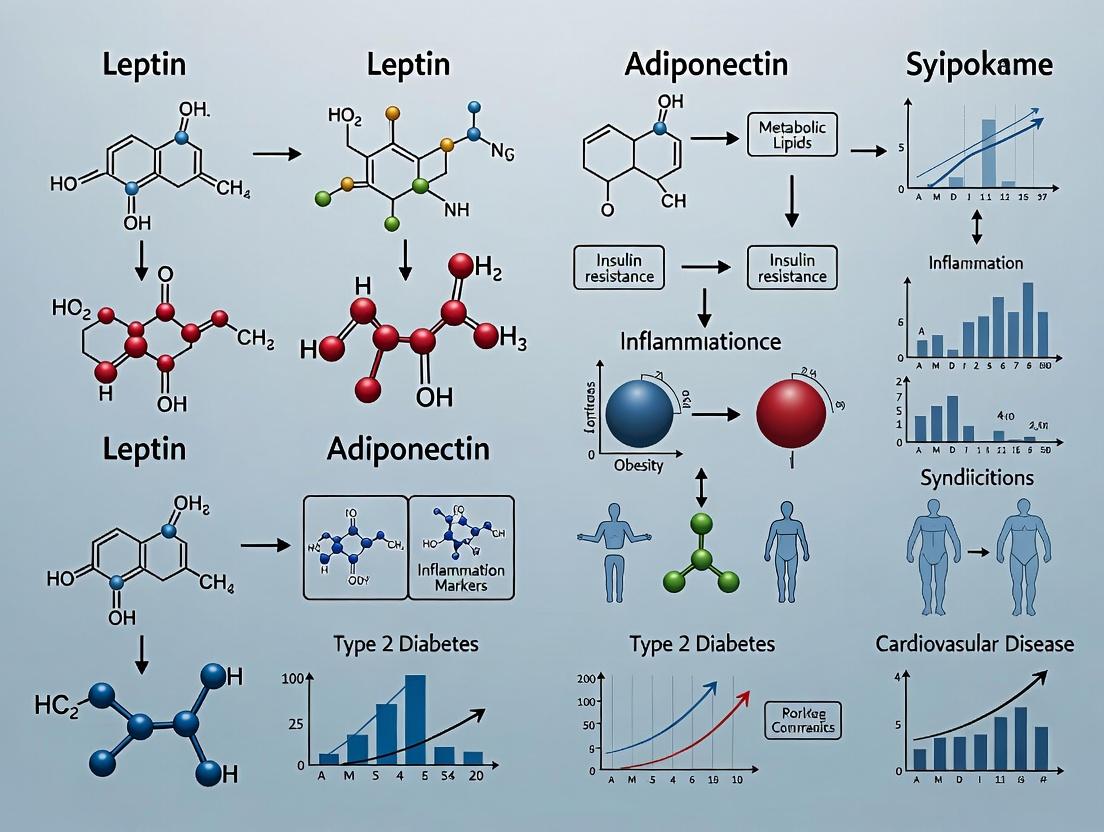
This comprehensive review synthesizes the latest research on the pivotal roles of the adipokines leptin and adiponectin in the pathogenesis of metabolic syndrome (MetS).
Leptin and Adiponectin in Metabolic Syndrome: Molecular Mechanisms, Therapeutic Targets, and Clinical Implications
Abstract
This comprehensive review synthesizes the latest research on the pivotal roles of the adipokines leptin and adiponectin in the pathogenesis of metabolic syndrome (MetS). Tailored for researchers, scientists, and drug development professionals, the article explores foundational biology, cutting-edge measurement methodologies, common experimental challenges, and comparative biomarker validation. We examine leptin resistance and adiponectin signaling pathways, discuss novel therapeutic strategies targeting these hormones, and provide a critical analysis of their clinical utility as diagnostic and prognostic biomarkers. The review concludes by highlighting unresolved questions and future directions for translational research aimed at modulating adipokine activity to combat MetS and its cardiometabolic complications.
Leptin and Adiponectin 101: Decoding Their Biology and Role in Metabolic Syndrome Pathogenesis
Within adipose tissue biology, adipokines represent critical endocrine mediators linking adiposity to systemic metabolic homeostasis. This whitepaper, framed within broader research on adipokines and metabolic syndrome, provides a technical dissection of two archetypal adipokines: leptin, the canonical satiety hormone, and adiponectin, a potent insulin sensitizer. Their signaling mechanisms, quantitative relationships in disease, and experimental interrogation are foundational to developing therapeutics for obesity, type 2 diabetes, and associated cardiometabolic disorders.
Leptin: The Satiety Hormone
Leptin, a 16-kDa hormone product of the LEP gene, is secreted primarily by white adipocytes in proportion to fat mass. It acts via the leptin receptor (LEPR), a class I cytokine receptor in the hypothalamus, to suppress appetite and increase energy expenditure.
2.1 Signaling Pathway & Mechanism Leptin binding to the long isoform of LEPR (LEPRb) activates associated JAK2 kinases, which phosphorylate tyrosine residues on the receptor. This creates docking sites for STAT3, which is itself phosphorylated, dimerizes, and translocates to the nucleus to transcriptionally regulate neuropeptides (e.g., downregulating orexigenic NPY/AgRP and upregulating anorexigenic POMC/CART). Simultaneously, the pathway engages negative regulators like SOCS3 and PTP1B, which contribute to leptin resistance—a hallmark of obesity.
Leptin Signaling Pathway in Hypothalamic Neuron
2.2 Key Quantitative Data
Table 1: Leptin Concentrations in Metabolic States
| Metabolic State | Serum Leptin Concentration (ng/mL) | Notes |
|---|---|---|
| Lean (Healthy) | 2 - 5 (Men), 4 - 8 (Women) | Sexual dimorphism due to fat distribution. |
| Obese (Without Leptin Deficiency) | 20 - 100+ | Correlates with fat mass; indicates leptin resistance. |
| Congenital Leptin Deficiency | < 1 | Rare monogenic obesity; responsive to leptin therapy. |
| Post-Bariatric Surgery (6 months) | ~30-60% reduction from pre-op | Precedes major weight loss, suggesting improved sensitivity. |
2.3 Detailed Experimental Protocol: Assessing Leptin Sensitivity In Vivo
- Title: Leptin Tolerance Test and Hypothalamic pSTAT3 Immunostaining.
- Objective: To evaluate central leptin signaling competence in a murine model.
- Procedure:
- Animal Preparation: Acclimate mice (e.g., diet-induced obese vs. lean controls) for 1 week. Fast for 6h prior to test.
- Leptin Administration: Inject recombinant murine leptin intraperitoneally (i.p.) at 1-3 mg/kg body weight. Control group receives vehicle (PBS).
- Tissue Collection: At designated time points post-injection (e.g., 0, 15, 30, 60, 90 mins), deeply anesthetize mice and perfuse transcardially with PBS followed by 4% paraformaldehyde (PFA).
- Brain Extraction & Sectioning: Extract brain, post-fix in 4% PFA (24h), cryoprotect in 30% sucrose. Section hypothalamic arcuate nucleus (ARC) at 30 µm using a cryostat.
- Immunohistochemistry: Perform free-floating immunohistochemistry for pSTAT3 (Tyr705). Block sections, incubate with primary antibody (anti-pSTAT3, 1:1000) overnight at 4°C, then with biotinylated secondary antibody, followed by ABC kit and DAB development.
- Quantification: Capture images of the ARC. Count pSTAT3-positive nuclei using automated image analysis software (e.g., ImageJ). Express as number of positive cells per brain section or ARC area.
- Expected Outcome: Leptin-sensitive mice show a sharp increase in hypothalamic pSTAT3-positive nuclei at 30-60 mins post-injection. Leptin-resistant mice show a blunted response.
Adiponectin: The Insulin Sensitizer
Adiponectin, a 30-kDa hormone, circulates in multimers (LMW, MMW, HMW). Unlike leptin, its levels are inversely correlated with adiposity and it enhances insulin sensitivity primarily in liver and muscle.
3.1 Signaling Pathway & Mechanism Adiponectin binds to its receptors AdipoR1 (muscle, liver) and AdipoR2 (liver). This activates AMPK and PPAR-α pathways via upstream kinases like LKB1 and Ca²⁺/calmodulin-dependent protein kinase kinase β (CaMKKβ). Activation increases fatty acid oxidation, glucose uptake, and reduces hepatic gluconeogenesis. The anti-inflammatory and insulin-sensitizing effects are partly mediated by ceramidase activity associated with the receptors.
Adiponectin Signaling in Liver & Muscle
3.2 Key Quantitative Data
Table 2: Adiponectin Concentrations and Multimer Ratios in Health and Disease
| Condition | Total Adiponectin (µg/mL) | HMW/Total Adiponectin Ratio | Clinical Significance |
|---|---|---|---|
| Healthy, Lean | 5 - 30 ( > ) | > 0.4 | High molecular weight multimers most bioactive. |
| Obesity / Metabolic Syndrome | 2 - 10 (Often <5) | < 0.3 | Hypoadiponectinemia and reduced HMW ratio correlate with insulin resistance. |
| Type 2 Diabetes | 1.5 - 8 | < 0.25 | Strong inverse predictor of insulin sensitivity. |
| Post- Thiazolidinedione (TZD) Treatment | Increases 2-3 fold | Ratio significantly improves | Mechanism of TZD action linked to increased adiponectin secretion. |
3.3 Detailed Experimental Protocol: Measuring Adiponectin Multimerization
- Title: Separation and Quantification of Adiponectin Multimers by Non-Reducing SDS-PAGE and Immunoblot.
- Objective: To analyze the distribution of LMW, MMW, and HMW adiponectin complexes in serum/plasma or conditioned media.
- Procedure:
- Sample Preparation: Dilute serum/plasma 1:50 in non-reducing sample buffer (without β-mercaptoethanol or DTT). Do not heat samples above 37°C to preserve multimeric structures.
- Gel Electrophoresis: Load 10-15 µL of prepared sample onto a 4-15% gradient polyacrylamide gel. Use a non-reducing protein standard. Run electrophoresis at constant voltage (100-120V) in cold Tris-Glycine-SDS buffer until dye front reaches bottom.
- Western Blotting: Transfer proteins to PVDF membrane at 4°C. Block membrane with 5% non-fat milk in TBST for 1 hour.
- Immunodetection: Incubate with primary antibody against total adiponectin (1:2000, mouse or rabbit monoclonal) overnight at 4°C. Wash, then incubate with HRP-conjugated secondary antibody (1:5000) for 1 hour at room temperature.
- Visualization & Quantification: Develop using enhanced chemiluminescence (ECL) substrate. Capture images with a chemiluminescence imager. Identify bands corresponding to HMW (~360 kDa), MMW (~180 kDa), and LMW (~90 kDa) forms. Perform densitometric analysis using software (e.g., Image Lab, ImageJ). Calculate HMW/total adiponectin ratio.
- Expected Outcome: Healthy samples show prominent HMW bands. Insulin-resistant states show a shift towards LMW and MMW forms.
The Scientist's Toolkit: Key Research Reagent Solutions
Table 3: Essential Reagents for Adipokine Research
| Reagent / Material | Function & Application | Key Considerations |
|---|---|---|
| Recombinant Human/Murine Leptin | For in vitro stimulation of cells (e.g., neuronal lines) and in vivo administration in leptin tolerance tests. | Use carrier-free, endotoxin-tested protein. Species specificity is critical. |
| Leptin (Human) ELISA Kit | Quantification of leptin levels in serum, plasma, or cell culture supernatants. | Assays typically detect both free and bound leptin. Check cross-reactivity with related hormones. |
| Phospho-STAT3 (Tyr705) Antibody | Detection of activated leptin signaling pathway via IHC, Western blot, or flow cytometry. | Validation for specific applications (e.g., IHC on mouse brain) is essential. |
| Recombinant Full-Length/ Globular Adiponectin | For in vitro assays to study insulin sensitization, AMPK/PPAR-α activation in hepatocytes or myotubes. | Full-length protein forms multimers; globular (C-terminal domain) is often used for specific receptor engagement studies. |
| Adiponectin (Multimer-Sensitive) ELISA Kits | Measurement of total, HMW, or MMW/LMW adiponectin in biological fluids. | HMW-specific kits often use protease pretreatment to selectively measure HMW complexes. |
| Anti-Adiponectin Receptor (AdipoR1/R2) Antibodies | Detection of receptor expression by Western blot, IHC, or for blocking studies. | Many commercially available antibodies require rigorous validation for specificity, especially in IHC. |
| AMPK Phospho-Substrate (p-AMPK) Antibody | A downstream readout of adiponectin (and leptin) signaling activity in tissues/cells. | Prefer antibodies that recognize the conserved phospho-Thr172 on AMPKα subunit. |
| SOCS3 siRNA/Inhibitor | To probe mechanisms of leptin resistance in vitro by inhibiting this negative feedback regulator. | Delivery efficiency (e.g., lipofection, viral transduction) into primary neurons or cell lines must be optimized. |
This whitepaper delineates the molecular crosstalk between the JAK2-STAT3 and AMPK signaling pathways within the pathophysiology of metabolic syndrome. Dysregulated secretion of adipokines, notably elevated leptin and diminished adiponectin, creates a signaling imbalance. Hyperleptinemia drives inflammatory JAK2-STAT3 activation, while hypoadiponectinemia suppresses the energy-sensing AMPK pathway. This nexus represents a critical therapeutic target for restoring metabolic homeostasis.
Pathway Crosstalk and Mechanisms
The Leptin-JAK2-STAT3 Axis
Leptin binding induces conformational change in its receptor (LepR), facilitating trans-phosphorylation and activation of receptor-associated Janus Kinase 2 (JAK2). JAK2 phosphorylates tyrosine residues on LepR, creating docking sites for Src Homology 2 (SH2) domain-containing proteins, primarily Signal Transducer and Activator of Transcription 3 (STAT3).
Key Quantitative Data: Leptin-Stimulated JAK2-STAT3 Activation Table 1: Kinetic and concentration parameters for JAK2-STAT3 activation by leptin.
| Parameter | Value | Experimental Context |
|---|---|---|
| Leptin EC₅₀ for STAT3 phosphorylation | 5-10 ng/mL | In vitro, 3T3-L1 adipocytes |
| Time to peak p-STAT3 (Y705) | 15-30 min | In vivo, murine hypothalamus after i.p. injection |
| JAK2 autophosphorylation (Y1007/1008) half-maximal time | ~5 min | HEK293 cells expressing LepR |
| Sustained STAT3 activation in metabolic syndrome | >48h (chronic) | Ob/ob mouse model, liver tissue |
Experimental Protocol: Assessing JAK2-STAT3 Activation via Western Blot
- Cell Stimulation: Serum-starve differentiated 3T3-L1 adipocytes or HepG2 cells for 6h. Stimulate with recombinant leptin (e.g., 50 ng/mL) for 0, 5, 15, 30, 60 min.
- Cell Lysis: Lyse cells in RIPA buffer supplemented with 1mM Na₃VO₄, 10mM NaF, and protease inhibitors.
- Immunoprecipitation (Optional): For JAK2 activity, immunoprecipitate JAK2 using specific antibody conjugated to Protein A/G beads.
- Western Blot: Resolve 20-30 μg protein on 8% SDS-PAGE gel. Transfer to PVDF membrane.
- Immunoblotting: Probe with primary antibodies: anti-phospho-JAK2 (Y1007/1008), anti-total JAK2, anti-phospho-STAT3 (Y705), anti-total STAT3. Use HRP-conjugated secondary antibodies.
- Quantification: Use chemiluminescence detection and densitometry. Express p-JAK2/JAK2 and p-STAT3/STAT3 ratios.
The Adiponectin-AMPK Axis
Adiponectin signals primarily through its receptors AdipoR1 and AdipoR2, which possess intrinsic ceramidase activity. The subsequent increase in sphingosine-1-phosphate activates downstream kinases. The primary metabolic effector is AMP-activated protein kinase (AMPK), phosphorylated at Thr172 by upstream kinases like LKB1.
Key Quantitative Data: Adiponectin-Mediated AMPK Activation Table 2: Key metrics for adiponectin-induced AMPK signaling.
| Parameter | Value | Experimental Context |
|---|---|---|
| Adiponectin EC₅₀ for AMPK phosphorylation (Thr172) | 1.5 μg/mL | C2C12 myotubes |
| Time to peak p-AMPK (T172) | 15 min | Primary mouse hepatocytes |
| Resultant increase in fatty acid oxidation | 40-60% | Human skeletal muscle cells |
| AMPK-mediated ACC phosphorylation (Ser79) increase | 3.5-fold | Rat soleus muscle |
Experimental Protocol: Measuring AMPK Activation via ELISA
- Tissue/Cell Preparation: Treat primary hepatocytes with globular adiponectin (gAd, 2 μg/mL) for 0, 5, 15, 30 min. Homogenize tissue samples in lysis buffer.
- Phospho-AMPKα (Thr172) ELISA: Use a commercial sandwich ELISA kit.
- Procedure: Coat wells with capture antibody. Incubate with sample lysates and standards. Add detection antibody specific for p-AMPKα (T172), followed by HRP-conjugated secondary antibody.
- Development & Readout: Add TMB substrate, stop with acid, read absorbance at 450 nm. Normalize to total AMPK from a parallel total AMPK ELISA or total protein.
- Functional Assay (ACC Phosphorylation): Concurrently run Western blot for p-ACC (Ser79), a direct downstream target of AMPK.
Pathway Interplay: JAK2-STAT3 Inhibition of AMPK
Chronic JAK2-STAT3 activation promotes expression of SOCS3 (Suppressor of Cytokine Signaling 3), which directly binds to and inhibits AdipoR1/JAK2 interplay. Furthermore, STAT3 can transcriptionally repress adiponectin gene (ADIPOQ) expression in adipocytes, creating a vicious cycle.
Signaling Pathway Diagrams
Title: Leptin-JAK2-STAT3-SOCS3 Signaling Pathway
Title: Adiponectin-AMPK-ACC Metabolic Signaling Pathway
Title: Adipokine Imbalance Crosstalk in Metabolic Syndrome
The Scientist's Toolkit: Research Reagent Solutions
Table 3: Essential reagents for investigating JAK2-STAT3 and AMPK cross-talk.
| Reagent Category & Name | Function in Research | Key Application / Note |
|---|---|---|
| Recombinant Proteins | ||
| Human Leptin, full length | Stimulates the JAK2-STAT3 pathway. Use for in vitro and in vivo models. | Confirm endotoxin-free status for cell studies. |
| Globular Adiponectin (gAd) | Activates AdipoR1 and AMPK pathway more potently than full-length. | Preferred for acute AMPK stimulation in muscle/hepatocyte cultures. |
| Chemical Modulators | ||
| AG490 (Tyrphostin B42) | Selective JAK2 inhibitor. Validates JAK2 dependence of observed effects. | Can have off-target effects at high concentrations; use dose-response. |
| Compound C (Dorsomorphin) | ATP-competitive AMPK inhibitor. Useful for probing AMPK-specific outcomes. | Also inhibits other kinases (e.g., BMP). Use with appropriate controls. |
| AICAR | AMPK activator (converts to ZMP mimicking AMP). Positive control for AMPK activation. | Does not perfectly mimic adiponectin's upstream signaling. |
| Antibodies for Immunoblotting | ||
| Phospho-JAK2 (Y1007/1008) | Detects active, autophosphorylated JAK2. Crucial for leptin signaling readout. | Validate specificity with JAK2 inhibitor/knockdown. |
| Phospho-STAT3 (Y705) | Primary readout for STAT3 activation. | Also useful for immunohistochemistry in tissue sections. |
| Phospho-AMPKα (Thr172) | Essential for detecting AMPK activation by adiponectin or other stimuli. | Ensure antibody recognizes both α1 and α2 catalytic subunits. |
| Phospho-ACC (Ser79) | Superior functional readout of AMPK activity towards a physiological substrate. | More specific than p-AMPK alone, indicates pathway flux. |
| Assay Kits | ||
| AMPK Kinase Activity ELISA | Measures AMPK activity via direct substrate phosphorylation (e.g., SAMS peptide). | More functional than phospho-blotting. |
| Adiponectin (Total) ELISA | Quantifies adiponectin levels in cell supernatant, serum, or plasma. | Differentiate between LMW, MMW, and HMW isoforms if possible. |
| Cell Lines & Models | ||
| Differentiated 3T3-L1 Adipocytes | Standard model for studying adipokine secretion and signaling in mature adipocytes. | Leptin and adiponectin are endogenously produced; consider for knockdown studies. |
| C2C12 Myotubes | Excellent model for studying AMPK-mediated effects on glucose uptake and metabolism. | Highly responsive to adiponectin. |
| ob/ob or db/db Mouse Models | In vivo models of leptin deficiency or resistance, displaying severe metabolic syndrome. | Baseline signaling is highly dysregulated; ideal for therapeutic intervention studies. |
Within adipokine research, the dysregulation of leptin and adiponectin is a central thesis for understanding the pathogenesis of metabolic syndrome (MetS). Metabolic syndrome, characterized by a cluster of cardiometabolic risk factors including central obesity, insulin resistance, dyslipidemia, and hypertension, is strongly correlated with a state of hyperleptinemia and hypoadiponectinemia. This whitepaper provides an in-depth technical analysis of this imbalance, its mechanistic role in MetS onset, and contemporary experimental approaches for its investigation.
Physiological Roles and Pathological Imbalance
Leptin: The Satiety Hormone
Leptin, a 16 kDa peptide hormone predominantly secreted by white adipose tissue, signals energy sufficiency to the hypothalamus, suppressing appetite and increasing energy expenditure via the leptin receptor (LEPR), a class I cytokine receptor. In obesity, despite elevated levels, central leptin signaling is impaired—a condition termed leptin resistance. This results in a failure to curb appetite despite adequate energy stores.
Adiponectin: The Insulin Sensitizer
Adiponectin, a 30 kDa protein, circulates in multimeric forms (low-, medium-, and high-molecular-weight). It enhances insulin sensitivity in liver and muscle, promotes fatty acid oxidation, and exerts anti-inflammatory and anti-atherogenic effects via receptors AdipoR1 and AdipoR2. Its secretion is paradoxically decreased in obesity.
The Imbalance as a MetS Driver
The concurrent rise in leptin and decline in adiponectin creates a pathogenic milieu:
- Hyperleptinemia contributes to sympathetic nervous system activation, endothelial dysfunction, and pro-inflammatory immune responses.
- Hypoadiponectinemia reduces AMPK and PPAR-α activation, leading to decreased glucose uptake, increased hepatic gluconeogenesis, and impaired vascular homeostasis.
This imbalance precedes and strongly predicts the development of insulin resistance and subsequent MetS components.
Table 1: Circulating Adipokine Levels in Healthy vs. Metabolic Syndrome States
| Adipokine | Healthy Reference Range (Mean ± SD) | Metabolic Syndrome Range (Mean ± SD) | Typical Assay |
|---|---|---|---|
| Leptin | 3-10 ng/mL (), 7-15 ng/mL () | 25-50+ ng/mL (obesity-dependent) | ELISA (sandwich) |
| Adiponectin | 5-30 µg/mL (), 10-35 µg/mL () | 2-6 µg/mL (severely reduced) | ELISA (sandwich) |
| Leptin:Adiponectin Ratio | < 1.0 | > 3.0 (often >5.0) | Calculated metric |
Table 2: Key Genetic & Molecular Associations
| Factor | Gene/Locus | Association with MetS Risk (Odds Ratio, 95% CI) | Primary Effect |
|---|---|---|---|
| Leptin Receptor | LEPR Q223R polymorphism | 1.45 (1.20-1.75) | Impaired signal transduction |
| Adiponectin | ADIPOQ -11377C>G | 1.68 (1.32-2.14) | Reduced serum levels |
| High Molecular Weight (HMW) Adiponectin | -- | N/A (Protective) | Strongest correlate of insulin sensitivity |
Core Signaling Pathways
Experimental Protocols
Protocol: Measuring Serum Adipokine Levels and Ratios in a Rodent MetS Model
Objective: Quantify hyperleptinemia and hypoadiponectinemia in a high-fat diet (HFD)-induced mouse model.
- Model Induction: House C57BL/6J mice (n=10/group). Control group receives standard chow (10% kcal fat). MetS group receives HFD (60% kcal fat) for 16 weeks.
- Sample Collection: Terminally anesthetize mice after a 6-hour fast. Perform cardiac puncture. Centrifuge blood at 4°C, 3000xg for 15 min. Aliquot serum and store at -80°C.
- Adipokine ELISA:
- Leptin: Use a commercial mouse leptin ELISA kit (e.g., R&D Systems MOB00). Dilute serum samples 1:50 in calibrator diluent. Follow kit protocol. Read absorbance at 450 nm (correction 540/570 nm).
- Adiponectin: Use a mouse adiponectin ELISA (e.g., Crystal Chem #80569). Dilute serum 1:30,000. Follow protocol for total adiponectin. Include HMW analysis via a separate kit (e.g., ALPCO #47-ADPHMUE01) if required.
- Data Analysis: Generate standard curves using 4-parameter logistic fit. Calculate concentrations. Compute Leptin:Adiponectin (L/A) ratio. Compare groups via unpaired t-test (p<0.05).
Protocol: Assessing Leptin Sensitivity via pSTAT3 Immunoblot in Hypothalamus
Objective: Evaluate central leptin resistance by measuring phosphorylated STAT3 (pSTAT3) response to exogenous leptin.
- Leptin Challenge: After HFD/control diet, fast mice for 12 hours. Inject intraperitoneally with recombinant murine leptin (5 mg/kg) or vehicle (PBS). Euthanize 45 minutes post-injection.
- Hypothalamic Tissue Lysate Preparation: Rapidly dissect hypothalamic arcuate nucleus region. Homogenize in RIPA buffer with protease/phosphatase inhibitors. Centrifuge at 14,000xg, 20 min, 4°C. Quantify supernatant protein via BCA assay.
- Western Blot: Load 30 µg protein per lane on 10% SDS-PAGE gel. Transfer to PVDF membrane. Block with 5% BSA/TBST. Incubate overnight at 4°C with primary antibodies: anti-pSTAT3 (Tyr705) (Cell Signaling #9145, 1:2000) and anti-STAT3 (total) (Cell Signaling #4904, 1:2000). Use HRP-conjugated secondary antibodies. Develop with ECL reagent.
- Analysis: Quantify band density via densitometry software. Express pSTAT3 as a ratio to total STAT3. Compare fold-change from vehicle between diet groups.
The Scientist's Toolkit: Key Research Reagents
Table 3: Essential Reagents for Adipokine Imbalance Research
| Reagent/Solution | Example (Supplier Catalog #) | Function & Application |
|---|---|---|
| Recombinant Human/ Murine Leptin | PeproTech #300-28 (mouse) | For in vitro stimulation and in vivo challenge studies to assess signaling and sensitivity. |
| Recombinant Human/ Murine Adiponectin | R&D Systems #1065-AP (human) | For rescue experiments to examine restoration of insulin signaling and metabolic function. |
| LEPR Antagonist/ Neutralizing Antibody | R&D Systems #MAB389 (mouse) | To block leptin signaling in vitro or in vivo, elucidating specific pathway effects. |
| Adiponectin ELISA Kit (Total & HMW) | ALPCO #47-ADPHMUE-01 (HMW mouse) | Quantifying circulating levels and the most bioactive multimeric form. |
| Phospho-STAT3 (Tyr705) Antibody | Cell Signaling #9145 | Key readout for leptin receptor signaling activity in tissues (hypothalamus, liver). |
| Phospho-AMPKα (Thr172) Antibody | Cell Signaling #2535 | Key readout for adiponectin receptor signaling and metabolic activation. |
| SOCS3 siRNA or Inhibitor | Santa Cruz Biotechnology #sc-29482 (siRNA) | To experimentally relieve leptin feedback inhibition and probe resistance mechanisms. |
| High-Fat Diet Rodent Chow | Research Diets #D12492 (60% fat) | For inducing obesity, hyperleptinemia, and hypoadiponectinemia in animal models of MetS. |
Metabolic syndrome is characterized by a cluster of pathologies, including central obesity, insulin resistance, dyslipidemia, and hypertension. The adipokines leptin and adiponectin, secreted predominantly by white adipose tissue, are critical regulators of whole-body energy homeostasis and insulin sensitivity. This whitepaper elucidates the mechanistic links through which leptin resistance and adiponectin deficiency form a core axis driving the key metabolic disturbances of the syndrome. This work is framed within the broader thesis that targeting adipokine signaling represents a promising frontier for therapeutic intervention in metabolic diseases.
Leptin Resistance: Mechanisms and Metabolic Consequences
Leptin, encoded by the ob gene, signals through the leptin receptor (LEPR) in the hypothalamus to suppress appetite and increase energy expenditure. In obesity, despite hyperleptinemia, central leptin signaling is impaired.
2.1 Key Mechanisms of Leptin Resistance:
- Defective Transport: Reduced saturation of the blood-brain barrier transporter limits leptin access to hypothalamic neurons.
- Inflammatory Signaling: Hypothalamic activation of IKKβ/NF-κB and JAK/STAT3 inhibitory pathways (e.g., SOCS3, PTP1B) blunts LEPR signaling.
- Endoplasmic Reticulum Stress: Unfolded protein response in hypothalamic neurons disrupts leptin signal transduction.
2.2 Downstream Effects Driving Pathology:
- Insulin Resistance: Loss of leptin's central effects leads to increased hepatic gluconeogenesis (via vagal disinhibition) and lipolysis in white adipose tissue, elevating circulating free fatty acids (FFAs) that promote ectopic lipid deposition and impair insulin signaling in liver and muscle.
- Inflammation: Leptin itself is a pro-inflammatory cytokine, stimulating macrophage production of TNF-α and IL-6. Leptin resistance in immune cells can paradoxically coexist with intact signaling, perpetuating a chronic low-grade inflammatory state.
- Dyslipidemia: The resulting hyperinsulinemia and increased hepatic FFA flux drive hepatic VLDL overproduction, elevating serum triglycerides and lowering HDL-cholesterol.
Adiponectin Deficiency: Mechanisms and Metabolic Consequences
Adiponectin, secreted as various multimers (HMW being most active), signals primarily through AdipoR1/AdipoR2 receptors to activate AMPK and PPAR-α pathways. Its levels are paradoxically reduced in obesity.
3.1 Key Mechanisms of Adiponectin Deficiency:
- Transcriptional Suppression: Inflammatory cytokines (TNF-α, IL-6) and oxidative stress inhibit adiponectin gene expression in adipocytes via downregulation of transcriptional regulators (e.g., PPARγ, C/EBPα).
- Endoplasmic Reticulum Stress: Disrupts adiponectin folding and secretion.
- Receptor Downregulation: Expression of AdipoR1/R2 can be reduced in target tissues like liver and muscle.
3.2 Downstream Effects Driving Pathology:
- Insulin Resistance: Loss of AMPK activation reduces glucose uptake in muscle and suppresses gluconeogenesis in the liver. Loss of PPAR-α activation impairs fatty acid oxidation.
- Inflammation: Adiponectin is anti-inflammatory, suppressing TNF-α and NF-κB pathways while promoting anti-inflammatory IL-10. Deficiency removes this brake.
- Dyslipidemia: Impaired PPAR-α signaling reduces FFA oxidation and clearance, contributing to hypertriglyceridemia. Reduced AMPK also lowers HDL synthesis.
Integrative Pathophysiology: A Vicious Cycle
Leptin resistance and adiponectin deficiency are not isolated. They interact synergistically:
- Inflammation as a Unifying Driver: TNF-α from inflamed adipose tissue simultaneously induces SOCS3 (promoting leptin resistance) and suppresses adiponectin secretion.
- Lipotoxicity: Leptin-resistance-driven lipolysis floods the liver with FFAs, which promote inflammation and further suppress adiponectin.
- Mitochondrial Dysfunction: Adiponectin deficiency reduces mitochondrial biogenesis and fatty acid oxidation in muscle/liver, worsening ectopic fat, insulin resistance, and oxidative stress that exacerbates leptin resistance.
Table 1: Circulating Adipokine Levels and Metabolic Parameters in Human Studies
| Condition | Leptin (ng/mL) | Adiponectin (μg/mL) | HOMA-IR | TNF-α (pg/mL) | TG (mg/dL) | Source (Year) |
|---|---|---|---|---|---|---|
| Lean, Healthy | 4.1 ± 2.3 | 11.5 ± 4.2 | 1.2 ± 0.5 | 1.8 ± 0.6 | 85 ± 25 | Considine et al. (1996) / Weyer et al. (2001) |
| Obese, Insulin Sensitive | 28.5 ± 5.1* | 8.2 ± 3.1* | 1.8 ± 0.7 | 3.1 ± 1.2* | 110 ± 35* | Pooled Recent Data |
| Metabolic Syndrome | 32.4 ± 6.7* | 5.1 ± 2.3*† | 3.5 ± 1.2*† | 5.4 ± 1.8*† | 185 ± 45*† | Pooled Recent Data |
| Type 2 Diabetes | 30.1 ± 7.2* | 4.3 ± 1.9*† | 4.8 ± 1.5*† | 6.2 ± 2.1*† | 210 ± 60*† | Pooled Recent Data |
*Significant increase vs. Lean (p<0.05). †Significant worsening vs. Obese IS (p<0.05). Data are representative means ± SD compiled from recent meta-analyses.
Table 2: Key Molecular Markers in Rodent Models of Obesity
| Model / Intervention | Hypothalamic pSTAT3 | Hepatic pAMPK | Adipose Tissue TNF-α mRNA | Plasma FFA (mM) | Reference Paradigm |
|---|---|---|---|---|---|
| Wild-Type (Chow) | High | High | 1.0 (Fold) | 0.6 ± 0.1 | Baseline Control |
| ob/ob (Leptin Deficient) | Undetectable | Low | 3.5 ± 0.8* | 1.4 ± 0.3* | Leptin Replacement Study |
| HFD Wild-Type | Low* | Low* | 5.2 ± 1.1* | 1.2 ± 0.2* | Leptin Resistance Model |
| HFD + Adiponectin Infusion | No Change | Restored | 3.1 ± 0.9*† | 0.9 ± 0.2† | Adiponectin Therapeutic Test |
HFD: High-Fat Diet. *p<0.05 vs. Chow. †p<0.05 vs. HFD alone.
Detailed Experimental Protocols
Protocol 1: Assessing Central Leptin Sensitivity in Mice Objective: To measure the anorectic and signaling response to exogenous leptin. Method:
- Animal Model: C57BL/6J mice fed high-fat diet (60% kcal fat) for 12-16 weeks.
- Cannulation: Implant an intracerebroventricular (ICV) guide cannula into the third ventricle. Allow 7-day recovery.
- Leptin Challenge: After 4h fast, administer recombinant murine leptin (3 μg in 2 μL artificial CSF) or vehicle ICV.
- Food Intake Measurement: Weigh food at 1, 2, 4, 8, and 24h post-injection.
- Tissue Collection: Euthanize mice 45min post-injection for signaling analysis.
- Analysis: Dissect hypothalami. Perform Western blot for pSTAT3 (Tyr705), total STAT3, and SOCS3. Normalize pSTAT3/STAT3 ratio.
Protocol 2: Evaluating Adiponectin Signaling and Insulin Sensitivity In Vivo Objective: To determine tissue-specific insulin sensitivity and adiponectin pathway activity. Method:
- Models: Wild-type and adiponectin-knockout (Adipoq-/-) mice on chow and HFD.
- Hyperinsulinemic-Euglycemic Clamp: After 5h fast, implant catheters in jugular vein (infusion) and carotid artery (sampling). After recovery, perform clamp: prime-constant infusion of human insulin (2.5 mU/kg/min), co-infuse 20% glucose to maintain euglycemia (~120 mg/dL) for 120min.
- Tracer Addition: Include [3-³H]glucose in basal and clamp periods to measure glucose turnover (Rd = disposal, endogenous Ra = production).
- Tissue Collection: At clamp end, rapidly excise liver, epididymal fat, and gastrocnemius muscle. Freeze in liquid N₂.
- Analysis:
- Insulin Sensitivity: Glucose infusion rate (GIR) and tissue-specific glucose uptake (using 2-deoxy-D-[1-¹⁴C]glucose bolus during clamp).
- Signaling: Western blot for pAKT (Ser473), pAMPK (Thr172), and pACC (Ser79) in muscle and liver.
Diagrams of Core Signaling Pathways
The Scientist's Toolkit: Research Reagent Solutions
Table 3: Essential Reagents for Adipokine & Metabolic Research
| Reagent / Material | Supplier Examples | Primary Function & Application |
|---|---|---|
| Recombinant Murine/Leptin Human | R&D Systems, PeproTech | For in vivo sensitivity challenges (ICV/IP) and in vitro stimulation assays. |
| Recombinant Full-Length & gAdiponectin Globular | BioVendor, Sigma-Aldrich | For in vitro and in vivo studies of adiponectin signaling and metabolic effects. |
| Phospho-STAT3 (Tyr705) Antibody | Cell Signaling Technology | Key readout for leptin receptor signaling activity in hypothalamic tissue. |
| Phospho-AMPKα (Thr172) Antibody | Cell Signaling Technology | Key readout for adiponectin/energy-sensing pathway activation in liver/muscle. |
| Mouse/Rat Leptin ELISA Kit | Crystal Chem, Millipore | Accurate quantification of hyperleptinemia in rodent models of obesity. |
| Mouse/Rat Adiponectin ELISA Kit (HMW Specific) | ALPCO, Fujifilm | Measurement of total and high-molecular-weight adiponectin, the most active form. |
| Hyperinsulinemic-Euglycemic Clamp System | Harvard Apparatus, Instech | Gold-standard in vivo measurement of whole-body and tissue-specific insulin sensitivity. |
| ICV Cannulation Kit | PlasticsOne | For precise intracerebroventricular delivery of leptin or inhibitors in rodent studies. |
| 2-Deoxy-D-[1-¹⁴C]Glucose | PerkinElmer | Tracer for measuring tissue-specific glucose uptake during clamp studies. |
| SOCS3 siRNA / Adenovirus | Dharmacon, Vector Biolabs | To manipulate expression of leptin signaling inhibitors in cells or in vivo. |
Genetic and Epigenetic Regulation of Adipokine Expression
Adipokines, including leptin and adiponectin, are critical mediators of systemic metabolic homeostasis. Dysregulation of their expression is a hallmark of metabolic syndrome (MetS), encompassing obesity, insulin resistance, and cardiovascular disease. This whitepaper provides an in-depth technical analysis of the genetic and epigenetic mechanisms governing adipokine expression, framed within a broader thesis on targeting these pathways for MetS therapeutic intervention. We detail current experimental models, quantitative findings, and standardized protocols to equip researchers with the tools for advanced investigation in adipokine biology.
Adipose tissue is an active endocrine organ. Leptin (pro-anorexigenic) and adiponectin (insulin-sensitizing, anti-inflammatory) are paradigmatic adipokines whose circulating levels are inversely correlated in MetS. Leptin resistance and hypoadiponectinemia are causative factors in the pathogenesis of insulin resistance and inflammation. Understanding the multi-layered regulation of their genes (LEP and ADIPOQ) is essential for developing novel epigenetic and genetic therapies.
Genetic Regulation: Promoters, Enhancers, and Polymorphisms
Core genetic elements control basal and inducible adipokine transcription. Quantitative trait locus (QTL) and genome-wide association studies (GWAS) have identified specific variants linked to expression levels and MetS risk.
Table 1: Key Genetic Variants Influencing Adipokine Expression and Metabolic Syndrome Risk
| Gene | Variant (rs ID) | Location/Type | Effect on Expression | Association with Metabolic Traits | Reported Odds Ratio/P-value |
|---|---|---|---|---|---|
| LEP | rs2167270 | 5' UTR / SNP | Modulated leptin levels | Obesity, BMI | OR: 1.15 for obesity (P<5x10⁻⁸) |
| LEPR | rs1137101 | Exonic (Q223R) / SNP | Altered receptor signaling | Insulin resistance, T2D | OR: 1.12 for T2D (P<0.001) |
| ADIPOQ | rs1501299 | Intronic / SNP | Reduced adiponectin | T2D, Coronary Artery Disease | OR: 1.18 for T2D (P=3x10⁻⁴) |
| ADIPOQ | rs2241766 | Exonic (G15G) / SNP | Lower circulating levels | Obesity, Dyslipidemia | OR: 1.22 for obesity (P<0.01) |
| PPARG | rs1801282 | Exonic (Pro12Ala) / SNP | Alters ADIPOQ transactivation | Insulin sensitivity, T2D | OR: 0.85 for T2D (P<0.05) |
Epigenetic Regulation: DNA Methylation, Histone Modifications, and ncRNAs
Epigenetic mechanisms dynamically interface with genetic architecture to fine-tune adipokine expression in response to nutritional and inflammatory cues.
DNA Methylation
Hypermethylation of CpG islands in gene promoters is generally repressive. In obesity, the LEP promoter often becomes hypomethylated, potentially contributing to hyperleptinemia, while the ADIPOQ promoter becomes hypermethylated, suppressing expression.
Table 2: Differential DNA Methylation inLEPandADIPOQPromoters
| Adipokine Gene | Tissue/Cell Type | Condition (vs. Control) | CpG Site Location (Approx.) | Methylation Change | Correlation with Expression |
|---|---|---|---|---|---|
| LEP | Mature Adipocytes | Obese/HFD | -200 to +100 bp | Hypomethylation (~15-30%) | Positive (Increased LEP) |
| ADIPOQ | Mature Adipocytes | Obese/T2D | -300 to +50 bp | Hypermethylation (~20-40%) | Negative (Decreased ADIPOQ) |
| ADIPOQ | SAT* | Insulin Resistant | Proximal Promoter | Hypermethylation (~25%) | Negative (r = -0.65) |
*SAT: Subcutaneous Adipose Tissue.
Histone Post-Translational Modifications
Activating marks (H3K4me3, H3K9/27ac) and repressive marks (H3K9me3, H3K27me3) define transcriptional states. C/EBPα and PPARγ drive ADIPOQ activation via recruitment of histone acetyltransferases (p300/CBP) to its promoter.
Non-Coding RNAs (miRNAs)
miRNAs post-transcriptionally regulate adipokine mRNA stability and translation. Key examples include miR-27a/b (targets PPARG, indirectly suppressing ADIPOQ) and miR-4455 (directly targets LEP 3'UTR).
Integrated Signaling Pathways in Regulation
Title: Integrated Genetic-Epigenetic Regulation of LEP and ADIPOQ
Experimental Protocols
Protocol: Analyzing Promoter-Specific DNA Methylation (Bisulfite Sequencing Pyrosequencing)
Objective: Quantify methylation percentage at specific CpG sites in the ADIPOQ promoter.
- DNA Isolation & Bisulfite Conversion: Extract genomic DNA from adipocytes (100ng-1μg) using a silica-column kit. Treat with sodium bisulfite (e.g., EZ DNA Methylation Kit) converting unmethylated cytosine to uracil (methylated cytosine remains).
- PCR Amplification: Design PCR primers specific to bisulfite-converted ADIPOQ promoter region (e.g., -300 to +50 bp from TSS). Use a biotinylated primer for immobilization.
- Pyrosequencing: Bind biotinylated PCR product to Streptavidin Sepharose HP beads. Wash, denature with NaOH, and anneal sequencing primer. Analyze on a Pyrosequencer (e.g., Qiagen PyroMark Q96). The instrument sequentially dispenses nucleotides; light emission (proportional to incorporated nucleotides) determines the C/T ratio at each CpG, calculating % methylation.
- Data Analysis: Use PyroMark CpG Software. Normalize to internal controls and compare between experimental groups (e.g., lean vs. obese adipose tissue).
Protocol: Chromatin Immunoprecipitation (ChIP) for Active Histone Marks
Objective: Assess enrichment of H3K9ac at the LEP enhancer region.
- Crosslinking & Cell Lysis: Fix 1x10^7 differentiated 3T3-L1 adipocytes with 1% formaldehyde for 10 min. Quench with glycine. Lyse cells in SDS lysis buffer with protease inhibitors.
- Chromatin Shearing: Sonicate lysate to shear DNA to 200-1000 bp fragments. Confirm fragment size by agarose gel electrophoresis.
- Immunoprecipitation: Pre-clear chromatin with protein A/G beads. Incubate overnight at 4°C with 2-5 μg of anti-H3K9ac antibody or IgG control. Capture immune complexes with beads, followed by stringent washes.
- Elution, Reverse Crosslinking, & Purification: Elute complexes in elution buffer (1% SDS, 0.1M NaHCO3). Reverse crosslinks at 65°C overnight with NaCl. Treat with RNase A and Proteinase K. Purify DNA using a spin column.
- Quantification: Analyze enriched DNA by qPCR using primers specific for the LEP enhancer. Calculate % input or fold enrichment over IgG control.
The Scientist's Toolkit: Research Reagent Solutions
Table 3: Essential Reagents for Adipokine Regulation Studies
| Reagent / Material | Function / Application | Example Product / Assay |
|---|---|---|
| Human Primary Preadipocytes | In vitro model for differentiation, genetic, and epigenetic studies; retains donor phenotype. | Lonza Poietics, Zen-Bio. |
| 3T3-L1 Mouse Cell Line | Standardized model for adipocyte differentiation and hormone response studies. | ATCC CL-173. |
| PPARγ Agonist (Rosiglitazone) | Positive control for ADIPOQ induction; tool for studying transcriptional activation. | Cayman Chemical #71740. |
| TNF-alpha (Recombinant) | Pro-inflammatory cytokine to model inflammation-induced adipokine dysregulation (suppresses ADIPOQ). | PeproTech #300-01A. |
| DNA Methyltransferase Inhibitor (5-Azacytidine) | Demethylating agent to test causal role of DNA methylation in gene silencing. | Sigma-Aldrich A2385. |
| HDAC Inhibitor (Trichostatin A) | Pan-HDAC inhibitor to assess role of histone acetylation in gene activation. | Cell Signaling Technology #9950. |
| Methylation-Specific PCR (MSP) Kit | Rapid detection of methylated vs. unmethylated alleles in promoter regions. | Qiagen EpiTect MSP Kit. |
| ChIP-Validated Antibodies (H3K4me3, H3K27ac) | For mapping active promoter/enhancer states via Chromatin Immunoprecipitation. | Abcam ab8580 (H3K4me3), Active Motif #39133 (H3K27ac). |
| LEP/ADIPOQ ELISA Kits | Quantify secreted adipokine protein levels in conditioned media or serum. | R&D Systems Quantikine ELISA (Leptin: MOB00, Adiponectin: MRP300). |
| siRNA/miRNA Mimics/Inhibitors | Functional loss/gain-of-function studies for transcription factors (C/EBPα) or regulatory miRNAs (miR-27a). | Dharmacon ON-TARGETplus siRNA, miRIDIAN mimics. |
Title: Workflow for Adipokine Epigenetic Regulation Study
The expression of leptin and adiponectin is coordinately regulated by a complex interface of genetic predisposition and plastic epigenetic mechanisms. In MetS, persistent metabolic stress reshapes the epigenetic landscape, cementing a dysregulated adipokine profile. Future research must focus on causal validation of regulatory hubs using CRISPR-based epigenetic editing (e.g., dCas9-DNMT3A/LSD1) in human adipocyte models. Therapeutically, small molecules targeting specific histone modifiers or miRNA antagonists represent promising avenues to restore adipokine homeostasis and mitigate metabolic syndrome pathophysiology.
From Bench to Bedside: Measuring Adipokines and Developing Targeted Therapies
Adipokines, such as leptin and adiponectin, are critical signaling molecules secreted by adipose tissue, playing pivotal roles in energy homeostasis, inflammation, and insulin sensitivity. Their dysregulation is a hallmark of metabolic syndrome. Accurate quantification is therefore essential for research and therapeutic development. This whitepaper examines the three current gold-standard methodologies: ELISA, Multiplex Immunoassays, and LC-MS/MS, providing a technical guide for researchers.
Enzyme-Linked Immunosorbent Assay (ELISA)
The single-analyte ELISA remains a cornerstone for adipokine quantification due to its specificity, sensitivity, and wide availability. It is ideal for validating findings from higher-throughput screens.
Detailed Protocol: Sandwich ELISA for Leptin
- Coating: Coat a 96-well plate with a capture monoclonal antibody specific to human leptin (e.g., 2 µg/mL in carbonate-bicarbonate buffer, pH 9.6). Incubate overnight at 4°C.
- Blocking: Aspirate and block with 300 µL/well of assay diluent (e.g., 5% BSA in PBS) for 1 hour at room temperature (RT).
- Sample & Standard Addition: Add 100 µL of diluted serum/plasma samples or recombinant leptin standards (range: 15.6–1000 pg/mL) in duplicate. Incubate for 2 hours at RT.
- Detection Antibody Addition: Add 100 µL of biotinylated detection antibody (diluted per manufacturer's instructions). Incubate for 1 hour at RT.
- Streptavidin-Enzyme Conjugate: Add 100 µL of streptavidin-HRP conjugate. Incubate for 30 minutes at RT, protected from light.
- Substrate & Stop: Add 100 µL of TMB substrate. Incubate for 15 minutes. Stop the reaction with 50 µL of 2N H₂SO₄.
- Reading: Measure absorbance at 450 nm with a correction at 570 nm. Fit a 4- or 5-parameter logistic curve to the standard data.
Multiplex Immunoassays
Multiplex bead-based assays (e.g., Luminex xMAP) enable simultaneous quantification of multiple adipokines from a single, small-volume sample, providing a secretory profile crucial for understanding metabolic syndrome pathophysiology.
Detailed Protocol: Magnetic Bead-Based Multiplex for Adipokine Panels
- Bead Preparation: Vortex and sonicate magnetic beads coupled to adipokine-specific antibodies. Add a pre-mixed bead set to each well of a 96-well plate.
- Washing: Wash plate twice with wash buffer using a magnetic plate washer.
- Sample & Standard Addition: Add 50 µL of standards (4-5 fold serial dilution), controls, or samples (diluted 1:2) to appropriate wells. Incubate for 1 hour on a plate shaker at RT.
- Detection Antibody Addition: Add 25 µL of biotinylated detection antibody cocktail. Incubate for 30 minutes with shaking.
- Streptavidin-Phycoerythrin Addition: Add 50 µL of streptavidin-PE. Incubate for 10 minutes with shaking.
- Washing & Resuspension: Wash three times, then resuspend beads in 100-120 µL of drive fluid.
- Reading: Analyze on a multiplex array reader (e.g., Luminex FLEXMAP 3D). Report median fluorescence intensity (MFI) and calculate concentrations from the standard curve for each analyte.
Liquid Chromatography-Tandem Mass Spectrometry (LC-MS/MS)
LC-MS/MS offers high specificity and the ability to quantify proteoforms (e.g., full-length vs. globular adiponectin) without reliance on immunoaffinity. It is becoming the reference method for absolute quantification.
Detailed Protocol: LC-MS/MS for Adiponectin Proteoforms
- Sample Preparation: Deplete high-abundance proteins (e.g., albumin, IgG) from 20 µL of plasma using an affinity column.
- Digestion: Reduce with DTT, alkylate with IAA, and digest with trypsin (1:20 enzyme-to-protein ratio) overnight at 37°C. Use stable isotope-labeled (SIL) adiponectin peptides as internal standards.
- Solid-Phase Extraction: Desalt and concentrate peptides using C18 SPE columns.
- LC Separation: Inject onto a reversed-phase C18 column (2.1 x 150 mm, 1.9 µm). Use a gradient from 2% to 40% acetonitrile in 0.1% formic acid over 20 minutes at 0.3 mL/min.
- MS/MS Analysis: Use a triple quadrupole MS in positive MRM mode. Key transitions: for adiponectin peptide TLLDSVQGR, quantifier transition m/z 520.3→860.5, qualifier 520.3→733.4. SIL peptide transition m/z 525.3→870.5.
- Quantification: Calculate the peak area ratio of endogenous to SIL peptide. Use a 6-point calibration curve of synthetic adiponectin spiked into depleted plasma.
Quantitative Data Comparison
Table 1: Performance Characteristics of Adipokine Quantification Methods
| Method | Analytes per Run | Sample Volume | Dynamic Range (Leptin Example) | Sensitivity (Leptin) | Throughput (Samples/Day) | Key Advantage | Key Limitation |
|---|---|---|---|---|---|---|---|
| ELISA | 1 | 50-100 µL | 15.6 - 1000 pg/mL | ~5 pg/mL | 40-80 (manual) | High specificity, wide validation, low cost | Single-plex, limited dynamic range |
| Multiplex | 10-50+ | 25-50 µL | 10 - 50,000 pg/mL* | ~2-10 pg/mL* | 100-200 | Secretory profile from single sample, higher throughput | Risk of cross-reactivity, complex optimization |
| LC-MS/MS | 5-10 (peptides) | 20-50 µL | 2 - 2000 ng/mL | 0.1-0.5 ng/mL | 50-100 | Absolute quantification, detects proteoforms, no antibody needed | High cost, requires specialized expertise |
Varies significantly by analyte in the panel. *For adiponectin; mass-based, not directly comparable to immunoassays.
The Scientist's Toolkit: Research Reagent Solutions
Table 2: Essential Materials for Adipokine Quantification
| Item | Function/Application | Example Product/Supplier |
|---|---|---|
| Recombinant Adipokines | Standard curve generation for all methods. | Human Leptin, E. coli-derived (R&D Systems) |
| Matched Antibody Pairs | Critical for ELISA & multiplex development. | Anti-Leptin mAb pair (Invitrogen) |
| Magnetic Bead Kits | Ready-to-use panels for multiplexing. | MILLIPLEX Human Adipokine Magnetic Bead Panel (Merck) |
| Stable Isotope-Labeled (SIL) Peptides | Internal standards for LC-MS/MS quantification. | [13C/15N]-TLLDSVQGR (JPT Peptide Technologies) |
| High-Affinity Depletion Column | Removes abundant proteins for LC-MS/MS. | Thermo Scientific Pierce Top 2 Abundant Protein Depletion Spin Columns |
| MS-Grade Trypsin | Enzymatic digestion for bottom-up proteomics. | Trypsin Gold, Mass Spectrometry Grade (Promega) |
| Multiplex Array Reader | Detection and quantification of bead-based assays. | Luminex FLEXMAP 3D System |
| Triple Quadrupole Mass Spectrometer | Targeted, sensitive quantification for LC-MS/MS. | SCIEX QTRAP 6500+ System |
Visualizations
Diagram 1: Adipokine Signaling in Metabolic Syndrome (62 chars)
Diagram 2: Method Selection Workflow for Adipokine Quantification (71 chars)
Diagram 3: LC-MS/MS Workflow for Adiponectin Quantification (60 chars)
This whitepaper, framed within a broader thesis on adipokines (leptin, adiponectin) and metabolic syndrome, details the application of cutting-edge single-cell and omics technologies. These approaches are revolutionizing our understanding of adipokine secretion, cellular heterogeneity in adipose tissue, and their systemic effects on metabolism, offering novel avenues for therapeutic intervention.
The Single-Cell and Omics Revolution in Adipose Biology
Adipose tissue is a highly heterogeneous endocrine organ. Traditional bulk analyses mask the unique transcriptional profiles and functions of distinct cell populations (adipocytes, adipose stem/progenitor cells (ASPCs), immune cells, endothelial cells). Single-cell RNA sequencing (scRNA-seq) and spatial transcriptomics now enable the deconvolution of this complexity, revealing novel adipokine-producing cells and their dynamic changes in metabolic syndrome.
Core Methodologies and Experimental Protocols
Single-Cell RNA Sequencing (scRNA-seq) Workflow for Adipose Tissue
Protocol:
- Tissue Dissociation: Fresh human or murine adipose tissue is minced and digested with a collagenase-based solution (e.g., Collagenase Type II, 1-2 mg/mL) in a shaking water bath at 37°C for 30-60 minutes.
- Cell Suspension & Viability: The digest is filtered through a 70-100μm strainer, centrifuged, and erythrocytes are lysed. Stromal vascular fraction (SVF) and adipocytes can be processed separately. Viability (>85%) is assessed using trypan blue or a fluorescent dye (e.g., propidium iodide).
- Single-Cell Partitioning: Live cells are loaded onto a microfluidic platform (10x Genomics Chromium) or a droplet-based system to encapsulate single cells with barcoded beads.
- Library Preparation & Sequencing: Following reverse transcription, cDNA is amplified, and libraries are constructed with unique molecular identifiers (UMIs). Sequencing is performed on platforms like Illumina NovaSeq to a target depth of 50,000 reads per cell.
- Bioinformatic Analysis: Data processing using Cell Ranger, followed by analysis in R (Seurat, SingleCellExperiment packages) for quality control, normalization, dimensionality reduction (PCA, UMAP), clustering, and differential gene expression analysis.
Table 1: Key Quantitative Outputs from a Representative scRNA-seq Study of Murine Adipose Tissue
| Parameter | Lean Mouse Adipose | Obese (DIO) Mouse Adipose | Interpretation |
|---|---|---|---|
| Number of Identified Clusters | 12 distinct cell types | 15 distinct cell types | Increased cellular heterogeneity in obesity. |
| % of Leptin (Lep) Expressing Cells | 55% in Mature Adipocyte cluster | 92% in Mature Adipocyte cluster | Hyper-leptinemia is driven by both increased cell percentage and expression level. |
| Mean Adiponectin (Adipoq) Expression (UMI) | 25.4 in Mature Adipocytes | 8.7 in Mature Adipocytes | Significant downregulation of adiponectin in obesity at single-cell resolution. |
| Novel ASPC Subpopulation | Identified 1 adipogenic progenitor cluster | Identified 3 distinct ASPC clusters, one pro-inflammatory | Reveals progenitor diversification linked to tissue remodeling in metabolic syndrome. |
Spatial Transcriptomics (Visium) Protocol
Protocol:
- Tissue Preparation: Fresh frozen adipose tissue is sectioned (10 μm thickness) onto Visium Spatial Gene Expression slides.
- Fixation & Staining: Tissue is fixed in methanol and stained with H&E for morphological guidance.
- Permeabilization & cDNA Synthesis: Optimized permeabilization time is used to release mRNA, which binds to spatially barcoded primers on the slide. On-slide reverse transcription occurs.
- Library Construction & Sequencing: Second-strand synthesis, cDNA amplification, and library construction are performed followed by Illumina sequencing.
- Data Integration: Spatial barcodes allow gene expression data to be mapped back to its original 2D location, which can be overlaid with scRNA-seq clusters for annotation.
Proteomics (LC-MS/MS) for Adipokine Secretome Analysis
Protocol:
- Conditioned Media Collection: Differentiate human adipocytes in vitro. Replace culture media with serum-free media for 24h. Collect conditioned media.
- Protein Prep & Digestion: Concentrate media using centrifugal filters. Perform protein reduction/alkylation (DTT, IAA) and digest with trypsin/Lys-C overnight.
- LC-MS/MS Analysis: Desalt peptides and analyze by nano-flow liquid chromatography coupled to a high-resolution tandem mass spectrometer (e.g., Orbitrap Exploris).
- Data Analysis: Identify and quantify proteins using search engines (MaxQuant, Proteome Discoverer) against the human proteome database. Pathway analysis (GO, KEGG) identifies regulated secretory pathways.
Key Signaling Pathways in Context
Single-cell omics data contextualize adipokine action within specific cellular pathways.
The Scientist's Toolkit: Essential Research Reagent Solutions
Table 2: Key Reagents and Tools for Single-Cell Adipokine Research
| Item | Function/Application | Example Product/Catalog |
|---|---|---|
| Liberase TL / Collagenase D | Gentle tissue dissociation for high viability single-cell suspensions. | Roche, 5401020001 |
| Dead Cell Removal Kit | Magnetic bead-based removal of non-viable cells prior to scRNA-seq. | Miltenyi Biotec, 130-090-101 |
| Chromium Next GEM Chip K | Microfluidic chip for single-cell partitioning (10x Genomics). | 10x Genomics, 1000127 |
| Visium Spatial Tissue Optimization Slide | Determines optimal tissue permeabilization time for spatial transcriptomics. | 10x Genomics, 1000193 |
| LEGENDplex Adipokine Panel | Multiplex bead-based immunoassay for quantifying 12+ adipokines in serum/CM. | BioLegend, 740390 |
| Recombinant Leptin / Adiponectin | For stimulation experiments and standard curves in functional assays. | PeproTech, 300-39 & 450-20 |
| Seurat R Toolkit | Primary open-source software package for scRNA-seq data analysis. | satijalab.org/seurat |
| CellChat R Package | Infers and analyzes intercellular communication networks from scRNA-seq data. | github.com/sqjin/CellChat |
Integrating single-cell and spatial omics with proteomics provides an unprecedented, high-resolution map of adipose tissue function in health and metabolic disease. This approach precisely identifies which cellular subsets dysregulate leptin, adiponectin, and novel adipokines, offering mechanistic insights and revealing cell-specific targets for next-generation therapeutics against obesity and metabolic syndrome.
Within the broader thesis of adipokine (leptin/adiponectin) research in metabolic syndrome, therapeutic intervention has moved beyond hormone replacement. The central pathologies are leptin resistance and relative adiponectin deficiency. This whitepaper details three targeted strategies: compounds that restore leptin signaling (leptin sensitizers), agonists that directly activate adiponectin receptors, and mimetic peptides designed to replicate beneficial signaling pathways.
Leptin Sensitizers: Mechanisms and Agents
Leptin resistance, characterized by diminished hypothalamic JAK2-STAT3 signaling despite hyperleptinemia, is a hallmark of obesity and metabolic syndrome. Sensitizers aim to overcome this blockade.
Table 1: Key Leptin Sensitizer Candidates and Experimental Data
| Compound/Candidate | Target/Mechanism | Experimental Model | Key Quantitative Outcome | Reference (Year) |
|---|---|---|---|---|
| Celastrol | Enhancement of leptin-induced STAT3 phosphorylation; putative modulation of PTP1B/ SOCS3. | Diet-induced obese (DIO) mice | Reduced body weight by ~45% (vs. vehicle) over 3 weeks; improved glucose tolerance (AUC reduced by ~30%). | Liu et al., 2015 |
| Withaferin A | Increases leptin receptor trafficking and signaling. | ob/ob mice, DIO mice | In DIO mice: ~20% weight loss, 40% reduction in serum insulin. | Lee et al., 2016 |
| Antibody to Activated αvβ3 Integrin | Blocks leptin resistance induced by endothelial cell interaction. | DIO mice | Single injection reduced food intake by 42% and body weight by 10% over 7 days. | Kim et al., 2022 |
| TLSA-2106 (small molecule) | Allosteric leptin receptor agonist. | DIO mice, non-human primates | Mice: 15% weight loss in 4 weeks. Monkeys: 8% weight loss, 30% LDL reduction in 8 weeks. | Zhang et al., 2023 |
Experimental Protocol: Evaluating Leptin SensitizationIn Vivo
Title: Assessment of Hypothalamic Leptin Signaling and Metabolic Parameters in DIO Mice. Objective: To determine the efficacy of a candidate sensitizer in restoring leptin-induced STAT3 phosphorylation and improving metabolic phenotype. Materials: C57BL/6J DIO mice (16+ weeks HFD), recombinant murine leptin, candidate compound, reagents for pSTAT3 immunohistochemistry/Western blot, metabolic cages, CLAMS system. Procedure:
- Pre-treatment: Administer candidate compound or vehicle to DIO mice (n=8/group) via appropriate route (e.g., oral gavage, i.p.) for 7 days.
- Leptin Challenge: On day 7, fast mice for 6h. Inject recombinant leptin (1 mg/kg, i.p.) or saline. Euthanize mice 45 minutes post-injection.
- Tissue Collection: Rapidly dissect hypothalamic arcuate nucleus. One hemisphere is snap-frozen for Western blot, the other fixed for IHC.
- Signal Quantification:
- Perform Western blot for p-STAT3 (Tyr705) and total STAT3. Quantify band intensity; express as pSTAT3/STAT3 ratio.
- Perform IHC for pSTAT3; count positive nuclei in the arcuate nucleus.
- Phenotypic Measures: In a parallel cohort, treat for 4 weeks. Monitor body weight, food intake (metabolic cages), glucose tolerance (IPGTT), and energy expenditure (CLAMS).
Adiponectin Receptor Agonists: Direct Activation
AdipoR1 and AdipoR2 mediate adiponectin's insulin-sensitizing, anti-inflammatory, and cardioprotective effects. Agonists bypass low endogenous adiponectin levels.
Table 2: Selected Adiponectin Receptor Agonists
| Agonist Name | Target Specificity | Key In Vivo Findings (Model) | Development Stage |
|---|---|---|---|
| AdipoRon (small molecule) | Pan-AdipoR agonist | Improved insulin resistance, glucose tolerance in DIO and db/db mice; extended lifespan in db/db. | Preclinical |
| JT-001 (modified peptide) | AdipoR1-biased | Ameliorated hepatic steatosis, reduced plasma ALT by 60% in NASH model mice. | Preclinical |
| ASP7991 (small molecule) | AdipoR agonist | Reduced plasma glucose (by ~40%) and triglycerides in type 2 diabetic rats. | Preclinical (discontinued) |
| ALY688 (peptidic) | Synthetic Adiponectin receptor agonist | Improved cardiac function post-MI; reduced fibrosis by ~50% in mouse MI model. | Phase I (for heart failure) |
Experimental Protocol:In VitroAdipoR Agonist Screening Assay
Title: Luciferase Reporter Assay for Adiponectin Receptor Activation via AMPK/PPARα Pathways. Objective: To screen and validate candidate agonists for AdipoR1/R2 using a dual-reporter system. Materials: HEK293 cells stably expressing human AdipoR1 or AdipoR2, pGL4-AMPK-RE (firefly luciferase), pGL4-PPARα-RE (firefly luciferase), Renilla luciferase control plasmid (pRL-TK), Lipofectamine 3000, candidate agonists, recombinant globular adiponectin (positive control), Dual-Glo Luciferase Assay System. Procedure:
- Cell Seeding & Transfection: Seed cells in 96-well plates. At 70% confluence, co-transfect with either AMPK-RE or PPARα-RE reporter plasmid and the Renilla control plasmid.
- Agonist Treatment: 24h post-transfection, treat cells with serially diluted candidate compounds, recombinant adiponectin (positive control), or vehicle for 16 hours.
- Luciferase Measurement: Lysc cells and measure firefly and Renilla luciferase activities sequentially using the Dual-Glo system.
- Data Analysis: Normalize firefly luminescence to Renilla for each well. Plot dose-response curves and calculate EC50 values for each agonist-receptor-pathway combination.
Mimetic Peptides
These are short peptides designed to activate specific downstream pathways of leptin or adiponectin, offering potential advantages in stability and delivery.
Table 3: Leptin and Adiponectin Mimetic Peptides
| Peptide Name | Mimics | Sequence/Key Feature | Primary Action & Experimental Outcome |
|---|---|---|---|
| OB3 (Leptin mimetic) | Leptin's anorexigenic action | Ac-Ser-Cys-Ser-Leu-Pro-Gln-Thr [Disulfide bridge] | Crosses BBB; reduces food intake, body weight in ob/ob mice by ~30% vs control. |
| ADP355 (Adiponectin mimetic) | Globular adiponectin | H-DAsn-Ile-Pro-Nva-Leu-Tyr-DSer-Phe-Ala-DSer-NH2 | Antiproliferative; inhibits ovarian cancer cell growth (IC50 ~10 μM); improves glucose tolerance in mice. |
| ADP399 (Adiponectin mimetic) | Receptor-binding site | PEGylated cyclic peptide | High affinity for AdipoR1; activates AMPK in vitro; reduces hepatic glucose production. |
The Scientist's Toolkit: Research Reagent Solutions
Table 4: Essential Research Reagents for Adipokine Therapeutic Development
| Reagent Category | Specific Example | Function/Application |
|---|---|---|
| Recombinant Proteins | Recombinant Human/Murine Leptin, Full-length/Globular Adiponectin | Positive controls for in vitro and in vivo assays; ligand-binding studies. |
| Cell Lines | HEK293 overexpressing AdipoR1/R2, SH-SY5Y neuronal cells | Stable platforms for receptor activation, signaling, and high-throughput screening assays. |
| Antibodies (Critical for IHC/WB) | Phospho-STAT3 (Tyr705), Total STAT3, Phospho-AMPKα (Thr172), Total AMPK, AdipoR1/R2 | Quantification of pathway activation and receptor expression in tissues and cells. |
| Animal Models | Diet-Induced Obese (DIO) C57BL/6J mice, ob/ob, db/db, Adipoq-/- mice | In vivo validation of efficacy, pharmacokinetics, and metabolic phenotype modulation. |
| Assay Kits | Mouse/Rat Leptin & Adiponectin ELISA Kits, Dual-Luciferase Reporter Assay Kit, AMPK Activity Assay Kit | Quantification of hormone levels, reporter gene activity, and key enzymatic activity. |
| Metabolic Phenotyping Systems | Comprehensive Lab Animal Monitoring System (CLAMS), EchoMRI for body composition | Simultaneous measurement of energy expenditure (VO2/VCO2), RER, food intake, locomotor activity, and fat/lean mass. |
Signaling Pathways and Workflow Visualizations
Title: Leptin Signaling Pathway and Key Inhibitors
Title: Adiponectin Receptor Agonist Screening Workflow
Title: Adiponectin Receptor Core Signaling Pathways
1. Introduction: Adipokines in Metabolic Syndrome Within the broader thesis on adipokines in metabolic syndrome, dysregulated secretion of adipokines like leptin and adiponectin is a central pathogenic driver. Leptin resistance promotes hyperphagia and insulin resistance, while low adiponectin levels correlate with inflammation and impaired glucose metabolism. Consequently, modulating these pathways represents a strategic frontier for novel therapeutics.
2. Current Drug Pipeline: Preclinical and Clinical Candidates The following tables summarize the current landscape of drug candidates targeting adipokine pathways, based on the latest data from clinical trial registries and recent publications.
Table 1: Selected Clinical-Stage Candidates
| Drug Name | Target/Mechanism | Indication | Phase | Key Findings (Quantitative) |
|---|---|---|---|---|
| Metreleptin | Leptin receptor agonist | Generalized lipodystrophy | Approved (FDA) | ~50% reduction in HbA1c in pivotal trials; triglycerides decreased by ~40%. |
| Pegylated Leptin | Leptin sensitizer | Obesity, NAFLD | Phase 2 | In a 2023 trial, 30% of patients achieved >5% weight loss vs. 12% placebo. |
| ALY688 (Adiponectin receptor agonist) | AdipoR1/R2 agonist | NASH, Diabetic Nephropathy | Phase 1b/2a | In preclinical NASH models: ~60% reduction in liver fibrosis score. |
| ADP-355 (Adiponectin mimetic peptide) | Adiponectin mimetic | Breast Cancer, Insulin Resistance | Phase 1 | In vitro: IC50 for cancer cell proliferation ~50 nM. |
| AZD9550 | Adiponectin secretion enhancer | Type 2 Diabetes | Preclinical to Phase 1 | In rodent models: increased plasma adiponectin by >2-fold. |
Table 2: Promising Preclinical Candidates
| Candidate | Target/Mechanism | Model System | Reported Efficacy |
|---|---|---|---|
| Leptin monoclonal antibody | Neutralizes circulating leptin | ob/ob mouse | Reduced hyperphagia; body weight decreased by 18% over 4 weeks. |
| AdipoRon analogs | Small molecule AdipoR agonist | db/db mouse | Improved insulin sensitivity (HOMA-IR reduced by 35%). |
| CTP-39 (Leptin/Amylin fusion) | Dual leptin & amylin receptor agonism | DIO mouse | Synergistic weight loss (20% vs. 8% with monotherapy). |
3. Experimental Protocols for Key Adipokine Research Protocol 1: Assessing Leptin Sensitivity In Vivo
- Objective: To evaluate the efficacy of a leptin-sensitizing compound in diet-induced obese (DIO) mice.
- Methodology:
- Induce obesity in C57BL/6J mice with a 60% high-fat diet (HFD) for 12 weeks.
- Randomize DIO mice into Vehicle and Treatment groups (n=10/group).
- Administer compound (e.g., 10 mg/kg, i.p.) or vehicle daily for 4 weeks.
- Measure daily food intake and weekly body weight.
- At endpoint, perform an intraperitoneal glucose tolerance test (IPGTT: 2 g/kg glucose, measure blood glucose at 0, 15, 30, 60, 90, 120 min).
- Collect plasma for leptin (ELISA) and insulin (ELISA) measurement. Calculate HOMA-IR.
- Harvest hypothalami for pSTAT3 immunohistochemistry (key leptin signaling readout).
Protocol 2: Evaluating Adiponectin Receptor Agonist Activity In Vitro
- Objective: To determine the AMPK/PGC-1α pathway activation by a novel AdipoR agonist.
- Methodology:
- Culture C2C12 myotubes in differentiation medium for 5 days.
- Serum-starve cells for 4 hours in low-glucose DMEM.
- Treat cells with the candidate agonist (dose range: 1 nM – 10 µM) or recombinant full-length adiponectin (positive control) for 1 hour.
- Lyse cells and perform Western blot analysis.
- Probe membranes for phosphorylated AMPK (Thr172) and PGC-1α. β-actin serves as loading control.
- Quantify band intensity via densitometry; report fold-change over vehicle control.
4. Signaling Pathway Visualizations
Leptin Signaling Pathway in the Hypothalamus
Adiponectin Signaling via AMPK/PGC-1α Axis
In Vivo Protocol for Leptin Sensitizer Testing
5. The Scientist's Toolkit: Key Research Reagents Table 3: Essential Reagents for Adipokine Pathway Research
| Reagent / Material | Function / Application | Example Vendor/Cat # |
|---|---|---|
| Recombinant Human Leptin | Positive control for leptin signaling assays; treatment in vitro. | R&D Systems, 398-LP |
| Recombinant Full-Length Adiponectin | Gold standard control for AdipoR activation studies. | BioVendor, RD172023100 |
| Phospho-STAT3 (Tyr705) Antibody | Key IHC/Western blot antibody to assess leptin pathway activation. | Cell Signaling, 9145S |
| Phospho-AMPKα (Thr172) Antibody | Primary readout for adiponectin signaling via AMPK. | Cell Signaling, 2535S |
| Mouse/Rat Leptin ELISA Kit | Quantification of circulating leptin in preclinical models. | Crystal Chem, 90030 |
| HMW Adiponectin ELISA Kit | Measures the high-molecular-weight (active) form of adiponectin. | Fujirebio, 47-ADPH-9755 |
| AdipoR1/R2 siRNA Pool | Knockdown studies to confirm receptor-specific effects. | Dharmacon, L-064842-00 |
| C2C12 Mouse Myoblast Cell Line | Standard model for studying adiponectin effects on muscle metabolism. | ATCC, CRL-1772 |
| Diet-Induced Obese (DIO) Mice | Primary in vivo model for metabolic syndrome and leptin resistance. | Jackson Laboratory, 380050 |
| Leptin Receptor Reporter Cell Line | HEK293 cells with STAT-responsive luciferase for agonist screening. | BPS Bioscience, 60620 |
The escalating global burden of metabolic syndrome (MetS) has underscored the limitations of a purely pharmacotherapeutic paradigm. The broader thesis within adipokine research posits that leptin and adiponectin are not merely biomarkers but central mechanistic nodes linking adipose tissue dysfunction to systemic cardiometabolic pathology. This whitepaper examines how targeted lifestyle interventions—diet, exercise, and their combination—serve as potent, first-line modulators of adipokine profiles, offering a foundational, low-risk strategy to recalibrate the adipose tissue signaling axis and disrupt the pathophysiological cascade of MetS.
The Adipokine Signaling Nexus: Pathways Under Intervention
The therapeutic goal of lifestyle intervention is to shift the adipokine milieu from a pro-inflammatory, insulin-resistant state (high leptin/adiponectin ratio) to a healthier, insulin-sensitizing one. The core pathways involved are detailed below.
Diagram 1: Core Adipokine Signaling Pathways in Metabolic Syndrome
Quantitative Impact of Lifestyle Interventions: A Data Synthesis
The efficacy of lifestyle interventions is evidenced by measurable shifts in adipokine concentrations and related metabolic parameters. The following tables consolidate recent meta-analytic and key clinical trial data.
Table 1: Impact of Dietary Interventions on Adipokine Profiles
| Intervention Type | Duration | Leptin Change (Mean % Δ) | Adiponectin Change (Mean % Δ) | Key Metabolic Correlates | Primary Study References |
|---|---|---|---|---|---|
| Caloric Restriction (CR) | 12-24 weeks | -20% to -40% ↓ | +10% to +25% ↑ | Significant reduction in body fat mass, HOMA-IR, hs-CRP. | Damms-Machado et al., 2015; Ashtary-Larky et al., 2021 |
| Mediterranean Diet | 12-52 weeks | -15% to -25% ↓ | +5% to +15% ↑ | Improved lipid profiles, reduced systolic BP, lower inflammatory markers. | Estruch et al., 2016; Muscogiuri et al., 2020 |
| Low-Carbohydrate/Ketogenic | 8-24 weeks | -25% to -45% ↓ | Variable (0% to +10%) | Rapid weight loss, marked improvement in triglycerides & HDL-C. | Gower et al., 2021; Dyńka et al., 2023 |
Table 2: Impact of Exercise Training on Adipokine Profiles
| Intervention Type | Duration | Leptin Change (Mean % Δ) | Adiponectin Change (Mean % Δ) | Key Metabolic Correlates | Primary Study References |
|---|---|---|---|---|---|
| Aerobic Training (AT) | 12-26 weeks | -10% to -20% ↓ | +10% to +20% ↑ | Improved VO₂ max, reduced visceral fat, lower fasting insulin. | Sartorius et al., 2022; Ishiguro et al., 2016 |
| Resistance Training (RT) | 12-24 weeks | -5% to -15% ↓ | +5% to +15% ↑ | Increased lean mass, improved muscular strength, reduced HOMA-IR. | Fatima et al., 2022; Franck et al., 2017 |
| Combined (AT+RT) | 12-52 weeks | -15% to -30% ↓ | +15% to +30% ↑ | Most consistent improvements across all MetS components. | de Lima et al., 2022; Schwingshackl et al., 2014 |
Experimental Protocols for Adipokine Research
To generate the data summarized above, standardized experimental methodologies are employed.
Protocol 1: Longitudinal Lifestyle Intervention Study with Adipokine Profiling
- Subject Recruitment & Stratification: Recruit subjects meeting ATP-III criteria for MetS. Stratify by age, sex, and baseline adiposity. Randomize into control and intervention arms.
- Intervention Design:
- Dietary Arm: Implement controlled feeding or structured dietary counseling (e.g., 500-750 kcal deficit, specific macronutrient composition). Provide meal plans and use 24-hour dietary recalls for compliance.
- Exercise Arm: Supervise exercise sessions 3-5 times/week. Aerobic: 50-80% VO₂max for 30-60 min. Resistance: 3 sets of 8-12 reps at 70-85% 1-RM for major muscle groups.
- Biospecimen Collection & Analysis: Collect fasting venous blood at baseline, midpoint, and endpoint.
- Serum/Plasma Separation: Centrifuge at 1500-2000 g for 15 min at 4°C. Aliquot and store at -80°C.
- Adipokine Quantification: Use commercially available, validated ELISA or multiplex immunoassay kits (e.g., R&D Systems, Millipore) for leptin and total/high-molecular-weight (HMW) adiponectin. Run samples in duplicate.
- Ancillary Measures: Measure body composition (DXA), visceral adiposity (CT/MRI), insulin sensitivity (hyperinsulinemic-euglycemic clamp or HOMA-IR), and inflammatory markers (hs-CRP, IL-6).
- Statistical Analysis: Perform intention-to-treat analysis. Use paired t-tests/Wilcoxon tests for within-group changes and ANCOVA for between-group differences, adjusting for baseline values. Correlate adipokine changes with metabolic outcomes.
Protocol 2: Ex Vivo Adipose Tissue Explant Culture for Secretome Analysis
- Adipose Tissue Biopsy: Obtain subcutaneous adipose tissue via percutaneous needle biopsy under local anesthesia.
- Tissue Processing: Mince tissue finely and wash in sterile PBS containing antibiotics.
- Explant Culture: Weigh ~100 mg of tissue and culture in DMEM/F12 medium supplemented with 1% fatty-acid-free BSA, antibiotics, and (optional) insulin. Culture for 24-48 hours in a humidified 5% CO₂ incubator at 37°C.
- Conditioned Media Collection: Centrifuge conditioned media to remove debris. Aliquot and store at -80°C for secretome analysis.
- Analysis: Quantify secreted adipokines (leptin, adiponectin, resistin) and inflammatory cytokines in conditioned media via ELISA. Normalize secretion rates to tissue weight or total protein content.
The Scientist's Toolkit: Key Research Reagent Solutions
Table 3: Essential Reagents for Adipokine & Metabolic Research
| Reagent/Material | Supplier Examples | Primary Function in Research |
|---|---|---|
| Human Leptin & Adiponectin ELISA Kits | R&D Systems (Quantikine), MilliporeSigma, Thermo Fisher (Invitrogen) | Gold-standard for accurate quantification of specific adipokines in serum, plasma, or conditioned media. |
| Multiplex Adipokine Panels | Bio-Rad (Bio-Plex), Millipore (Milliplex), Meso Scale Discovery (MSD) | Simultaneous measurement of multiple adipokines/cytokines (e.g., leptin, adiponectin, resistin, IL-6, TNF-α) from a small sample volume. |
| HMW Adiponectin ELISA | Fujirebio (Japan), Alpco | Specifically quantifies the high-molecular-weight multimer of adiponectin, considered the most biologically active form. |
| Adipose Tissue Digestion Kit (Collagenase) | MilliporeSigma (Type I Collagenase), Worthington Biochemical | For isolation of primary adipocytes and stromal vascular fraction (SVF) from adipose tissue biopsies for in vitro studies. |
| Insulin Sensitivity Assay Kits | Crystal Chem (Mouse/Rat Insulin ELISA, HOMA-IR calculation), Cayman Chemical (GLUT4 Translocation Assay) | Assess key metabolic endpoints linked to adipokine action. |
| Western Blot Antibodies (p-AMPK, p-STAT3, AdipoR1) | Cell Signaling Technology, Abcam, Santa Cruz Biotechnology | Investigate activation status of key signaling pathways downstream of leptin and adiponectin receptors in tissue lysates. |
Diagram 2: Experimental Workflow for Lifestyle Intervention Studies
For the research and drug development community, the data presented herein argue for a dual-strategy model. First, lifestyle intervention studies provide a "proof-of-concept" that modulating the adipokine axis yields systemic metabolic benefits, thereby validating leptin and adiponectin pathways as high-value drug targets. Second, standardized lifestyle protocols should be incorporated into clinical trial design as a baseline therapy, against which novel pharmacotherapies can be additively tested. This approach ensures that new agents are evaluated for their ability to provide benefit beyond what is achievable through rigorous lifestyle modification alone, ultimately leading to more effective and holistic management strategies for metabolic syndrome.
Navigating Experimental Pitfalls: Assay Variability, Confounding Factors, and Data Interpretation in Adipokine Research
Within the broader thesis of adipokine (leptin, adiponectin) research in metabolic syndrome, accurate quantification is paramount. This guide details the core technical challenges—diurnal variation, sample handling, and assay specificity—that critically impact data reliability and translational validity in both basic research and drug development.
Diurnal Variation in Adipokine Secretion
Adipokines exhibit significant circadian rhythmicity, directly influenced by feeding-fasting cycles, sleep patterns, and hormonal cues. This variation is a major confounder in cross-sectional studies and clinical trials.
Quantitative Data on Diurnal Fluctuations: Table 1: Representative Diurnal Variation of Key Adipokines
| Adipokine | Peak Concentration Time | Trough Concentration Time | Approximate Amplitude Change | Primary Regulator |
|---|---|---|---|---|
| Leptin | 00:00 - 04:00 (night) | 08:00 - 12:00 (morning) | 20-50% decrease from peak | Meal timing, cortisol, sleep |
| Adiponectin | 11:00 - 15:00 (afternoon) | 22:00 - 06:00 (night) | 10-20% decrease from peak | PPARγ, clock genes |
| Resistin | Early morning (~08:00) | Evening (~20:00) | Up to 30% decrease from peak | Proinflammatory cytokines |
Experimental Protocol for Diurnal Rhythm Assessment:
- Study Design: Longitudinal, within-subject design is essential. For human studies, frequent serial sampling (e.g., every 2-4 hours over 24-48 hours) under controlled conditions (meal composition, light/dark cycle, activity) is recommended.
- Subject Protocol: Participants should adhere to a standardized sleep-wake schedule (e.g., 23:00-07:00) for ≥1 week prior. Meals and physical activity are strictly controlled in a clinical research unit.
- Sample Collection: Blood is drawn via indwelling catheter to avoid stress-induced artifacts. Plasma/serum is processed immediately under standardized conditions (see Section 2).
- Data Analysis: Time-series data is analyzed using cosinor analysis or similar curve-fitting techniques to determine the mesor (mean), amplitude, and acrophase (peak time).
Sample Handling and Pre-Analytical Variables
Pre-analytical factors introduce significant variance, often exceeding biological variation or assay imprecision.
Critical Sample Handling Protocol:
- Blood Draw: Fasting state must be standardized (typically 10-12 hours overnight). Hemolysis must be avoided, as it interferes with many immunoassays.
- Choice of Anticoagulant:
- For Leptin: EDTA-plasma is preferred; serum is acceptable. Heparin can interfere in some assays.
- For Adiponectin: Serum or EDTA-plasma. Citrate plasma may under-recover high-molecular-weight (HMW) forms.
- Processing: Centrifugation at 4°C within 1 hour of draw. For adiponectin multimer stability, a rapid turnaround (<30 min) is crucial. G-force: 1000-2000 x g for 10-15 minutes.
- Aliquoting and Storage: Immediately aliquot into small, single-use volumes to avoid freeze-thaw cycles. Store at -80°C in polypropylene tubes. Avoid frost-free freezers. Adiponectin is stable for years at -80°C; leptin is stable for months.
- Freeze-Thaw: Limit to 1-2 cycles. Document each cycle. Adiponectin multimers, especially HMW, are susceptible to degradation.
Table 2: Impact of Pre-Analytical Variables on Adipokine Measurements
| Variable | Effect on Leptin | Effect on Adiponectin | Recommended Mitigation |
|---|---|---|---|
| Room Temp Delay (>2h) | Increase (protein degradation) | Decrease (multimer dissociation) | Process & freeze within 1h |
| Freeze-Thaw (≥3 cycles) | Moderate decrease (~15%) | Severe decrease in HMW form (~40%) | Single-use aliquots |
| Hemolysis | Falsely elevated (interference) | Falsely lowered (proteolysis) | Gentle draw, re-draw if severe |
| Incomplete Fasting | Sharp increase (meal-responsive) | Mild acute decrease | Strict 12h fasting protocol |
Assay Specificity and Selection
The heterogeneous molecular forms of adipokines, particularly adiponectin, pose major challenges for assay specificity and clinical correlation.
Key Methodologies and Their Specificity:
- ELISA (Enzyme-Linked Immunosorbent Assay): Most common. Must evaluate antibody pairs for target epitope.
- Total Adiponectin: Assays detecting all multimers are available but miss clinically relevant HMW:total ratio.
- HMW Adiponectin: Requires specialized assays using protease treatment or selective antibodies. High inter-assay variability exists.
- Multiplex Immunoassays (Luminex/MSD): Allow simultaneous measurement. Cross-reactivity and differential matrix effects between analytes must be validated.
- Western Blot/Native PAGE: Gold standard for discriminating adiponectin multimers (trimers, hexamers, HMW). Low-throughput, semi-quantitative.
- Mass Spectrometry (LC-MS/MS): Emerging for absolute quantification. Excellent specificity but requires technical expertise and is costly.
Protocol for Adiponectin Multimer Analysis via Native PAGE:
- Sample Preparation: Dilute serum/plasma 1:50 in native sample buffer (without SDS or reducing agents). Do not boil.
- Gel Electrophoresis: Load samples onto a 4-15% Tris-Glycine native polyacrylamide gel. Run at 125V for 90-120 minutes at 4°C.
- Transfer: Semi-dry transfer to PVDF membrane under cold conditions.
- Immunoblotting: Block membrane, then probe with primary anti-adiponectin antibody (monoclonal recommended) overnight at 4°C.
- Detection: Use HRP-conjugated secondary antibody and chemiluminescent substrate. Capture images with a CCD imager.
- Densitometry: Quantify band intensities for each multimer (HMW, hexamer, trimer) using software (e.g., ImageJ). Calculate HMW:Total ratio.
The Scientist's Toolkit: Research Reagent Solutions
Table 3: Essential Reagents and Materials for Adipokine Research
| Item | Function & Importance | Example/Note |
|---|---|---|
| EDTA Blood Collection Tubes | Preserves protein integrity; preferred for leptin/adiponectin. | K2EDTA tubes, kept chilled post-draw. |
| Protease & Phosphatase Inhibitor Cocktails | Added during tissue homogenization to prevent adipokine degradation & dephosphorylation. | Broad-spectrum, tablet or liquid form. |
| Recombinant Protein Standards (Calibrators) | Essential for generating standard curves in ELISA. Must be traceable to international standards. | Human leptin WHO International Standard (NIBSC code: 97/594). |
| Multimer-Specific Antibodies | Critical for discriminating adiponectin isoforms (HMW vs. total). | Monoclonal antibodies targeting conformation-specific epitopes. |
| Native PAGE System | For separation of native adiponectin complexes without denaturation. | Bio-Rad or Invitrogen systems. |
| Matched Antibody Pairs (Capture/Detection) | For in-house ELISA development; ensures specificity and sensitivity. | Validate for lack of cross-reactivity with other adipokines. |
| Stable, Low-Binding Microtubes | Prevents adsorption of low-concentration adipokines to tube walls during storage. | Polypropylene, siliconized. |
| Control Samples (Pooled Plasma) | High, mid, low-level controls for inter-assay precision monitoring. | Prepare in-house from characterized donor pools. |
Visualizations
Within adipokine (leptin, adiponectin) and metabolic syndrome research, establishing causal relationships is complicated by pervasive confounding variables. This guide details the identification and methodological control for four critical confounders: Body Mass Index (BMI), systemic inflammation, renal function, and medication use. Failure to adequately account for these factors can obscure true associations, leading to biased estimates and erroneous conclusions in both observational and experimental studies.
Core Confounders: Mechanisms and Impact
Body Mass Index (BMI)
BMI is a primary confounder as adipokine secretion is directly proportional to adipose tissue mass. Leptin levels correlate strongly with total body fat, while adiponectin often exhibits an inverse relationship. Disentangling the effects of adipokines from those of overall adiposity requires precise analytical or design-based strategies.
Systemic Inflammation
Chronic low-grade inflammation, common in metabolic syndrome, independently regulates adipokine expression. Pro-inflammatory cytokines (e.g., TNF-α, IL-6) stimulate leptin and suppress adiponectin production, creating a confounding loop.
Renal Function
The kidneys are key clearance organs for many adipokines. Impaired renal function, prevalent in metabolic syndrome cohorts, leads to the accumulation of leptin and altered adiponectin complexes, which can be misinterpreted as increased production.
Medication Use
Common medications significantly influence adipokine biology. For example, thiazolidinediones upregulate adiponectin, statins have modest anti-inflammatory effects, and angiotensin-converting enzyme inhibitors may modify adipokine profiles.
Table 1: Impact of Confounders on Key Adipokines
| Confounder | Direction of Effect on Leptin | Direction of Effect on Adiponectin | Key Mediators/Mechanisms |
|---|---|---|---|
| High BMI | ↑↑↑ (Strong Increase) | ↓↓↓ (Strong Decrease) | Adipose tissue mass, Secretion rate |
| Systemic Inflammation | ↑ (Moderate Increase) | ↓↓ (Strong Decrease) | TNF-α, IL-6, NF-κB signaling |
| Renal Impairment (eGFR <60) | ↑↑ (Accumulation) | Variable (Complex clearance) | Reduced glomerular filtration, Altered degradation |
| Metformin Use | →/↓ (Neutral/Mild Decrease) | ↑ (Mild Increase) | AMPK activation |
| Statin Use | → (Neutral) | ↑ (Mild Increase) | Reduced inflammation, PPAR-γ activation |
| TZD Use | → (Neutral) | ↑↑↑ (Strong Increase) | PPAR-γ agonism |
Table 2: Recommended Biomarkers for Confounder Assessment
| Confounder | Primary Measurement | Secondary/Supplementary Metrics | Threshold for Concern in Studies |
|---|---|---|---|
| Adiposity | BMI (kg/m²) | Waist circumference, DEXA body fat % | BMI ≥30 (Obese), or cohort stratification |
| Systemic Inflammation | High-sensitivity CRP (hs-CRP) | Fibrinogen, IL-6, TNF-α | hs-CRP >3 mg/L |
| Renal Function | Estimated GFR (eGFR) | Serum Creatinine, Cystatin C, Urine ACR | eGFR <60 mL/min/1.73m² |
| Medication Exposure | Detailed self-report/registry | Plasma drug levels (where feasible) | Use within drug half-life period prior to sampling |
Experimental Protocols for Control
Protocol: Matched Cohort Design for BMI Control
Objective: To compare adipokine levels between groups (e.g., high vs. low adiponectin) while eliminating BMI confounding.
- Recruitment: Recruit index participants based on the primary variable of interest.
- Matching: For each index participant, recruit one or more controls matched precisely on BMI (±1 kg/m²), age (±5 years), and sex.
- Sample Collection: Collect fasting blood samples using standardized protocols.
- Analysis: Measure adipokines (via ELISA or multiplex immunoassay) and compare matched sets using paired statistical tests (e.g., Wilcoxon signed-rank).
- Advantage: Eliminates linear confounding from matched variables.
Protocol: In Vitro Conditioning with Cytokines
Objective: To isolate the direct effect of inflammatory mediators on adipokine secretion from adipocytes, independent of systemic factors.
- Cell Culture: Differentiate human primary preadipocytes or use 3T3-L1 adipocytes.
- Conditioning: Serum-starve cells for 6 hours. Treat with recombinant human TNF-α (10 ng/mL) and IL-6 (20 ng/mL) for 24 hours. Include vehicle control.
- Collection: Harvest conditioned media. Centrifuge to remove debris.
- Quantification: Analyze leptin and adiponectin in media via ELISA. Normalize to total cellular protein (BCA assay).
- Key Control: Co-treatment with specific cytokine inhibitors (e.g., anti-TNF-α antibody) to confirm effect specificity.
Protocol: Adjustment for Renal Function in Statistical Analysis
Objective: To statistically isolate the association between an exposure and adipokine level, removing the variance explained by renal function.
- Measure: Determine eGFR for all participants using the CKD-EPI creatinine equation.
- Model Specification: Use multivariable linear or generalized linear regression.
- Dependent Variable: Log-transformed leptin or adiponectin level (to normalize residuals).
- Primary Independent Variable: Exposure of interest (e.g., genetic variant, drug treatment).
- Covariate: Include eGFR as a continuous covariate in the model.
- Interpretation: The coefficient for the primary variable is interpreted as the change in adipokine level per unit change in the exposure, holding eGFR constant.
Protocol: Prospective Medication Washout (In Clinical Trials)
Objective: To control for confounding effects of chronic medications on adipokine measures.
- Screening: Document all concomitant medications during screening.
- Eligibility & Washout: For medications known to affect adipokines (e.g., TZDs, high-dose statins), include a supervised washout period (≥5 half-lives) prior to baseline sampling, if ethically and clinically permissible.
- Documentation: Record and categorize all medications that cannot be washed out (e.g., antihypertensives) for use as stratification factors in analysis.
- Randomization: Stratify randomization by use of key confounding medications to ensure balanced allocation.
Visualizations
Title: Confounding Pathways Between Adipokines and Metabolic Syndrome
Title: Experimental Workflow for Confounder Control
The Scientist's Toolkit
Table 3: Research Reagent Solutions for Confounder Assessment
| Item & Example Product | Function in Context | Key Consideration |
|---|---|---|
| High-Sensitivity CRP (hs-CRP) ELISA Kit (R&D Systems Quantikine ELISA, #DCRP00) | Precisely quantifies low-grade inflammation; essential for covariate adjustment or stratification. | Choose hs-CRP over standard CRP for metabolic syndrome research (higher sensitivity). |
| Multiplex Adipokine/Cytokine Panel (Milliplex MAP Human Adipokine Magnetic Bead Panel, #HADK1MAG-61K) | Simultaneously measures leptin, adiponectin, and inflammatory cytokines (IL-6, TNF-α) from a single sample. | Enables correlation analysis and reduces sample volume requirements. |
| Human Free & HMW Adiponectin ELISA (Mediagnost ELISA, #E013) | Specifically measures high molecular weight (HMW) adiponectin, the bioactive form, and free form. | HMW adiponectin may be more clinically relevant than total adiponectin. |
| Recombinant Human Cytokines (TNF-α, IL-6) (PeproTech, #300-01A & #200-06) | For in vitro conditioning experiments to model inflammatory confounding on adipocyte function. | Use carrier protein-free, endotoxin-tested grades for cell culture. |
| Cystatin C Immunoassay (Siemens Healthcare, N Latex Cystatin C on BN Systems) | Alternative renal function marker less influenced by muscle mass than creatinine; used for eGFR calculation. | Particularly useful in obese/elderly populations where creatinine-based eGFR is biased. |
| Standardized Medication Coding Database (WHO ATC/DDD Index, RxNorm) | Provides systematic framework for categorizing and adjusting for medication use in large datasets. | Essential for pharmacoepidemiological studies using electronic health records. |
Optimizing In Vitro and Animal Models for Studying Leptin Resistance and Adiponectin Action
Research into adipokines, specifically leptin and adiponectin, is central to understanding the pathophysiology of metabolic syndrome. Leptin resistance—the failure of elevated leptin to suppress appetite or improve energy expenditure—and impaired adiponectin signaling are hallmark defects. To advance therapeutic development, optimized in vitro and in vivo models are required that accurately recapitulate these complex physiological states.
Optimized In Vitro Models for Leptin Resistance
2.1 Primary Cell Model: Murine Hypothalamic Neurons
- Protocol: Isolate neurons from the arcuate nucleus of postnatal day 5-7 C57BL/6J mice. Culture in neurobasal medium with B27 supplement. Induce leptin resistance at DIV 7-10 via two established methods:
- Chronic Leptin Exposure: Treat with 100 nM recombinant murine leptin for 24-48 hours.
- Inflammatory Induction: Treat with 10 ng/mL TNF-α or 25 mM palmitate for 24 hours.
- Readout: Pre-treat with a fresh 10 nM leptin challenge for 15 min, then assess p-STAT3 (Tyr705) via Western blot versus total STAT3. A >50% reduction in p-STAT3 induction compared to leptin-naïve controls indicates resistance.
2.2 Immortalized Cell Line Model: Human HepG2 Liver Cells (for Adiponectin)
- Protocol: Culture HepG2 cells in high-glucose DMEM. To study adiponectin action, serum-starve for 4 hours, then pre-treat with 5 μg/mL recombinant full-length or globular adiponectin for 1 hour prior to metabolic challenge (e.g., 25 mM glucose or 250 μM palmitate). For inducing adiponectin insensitivity, chronically expose cells to 100 nM insulin for 24 hours.
- Readout: Measure downstream signaling via p-AMPKα (Thr172) and p-Acetyl-CoA Carboxylase (Ser79) by Western blot 30-60 min post-adiponectin.
2.3 3D Spheroid Model: Adipocyte-Macrophage Co-culture
- Protocol: Generate spheroids using 3T3-L1 adipocytes differentiated for 10 days and RAW 264.7 macrophages in a 5:1 ratio in ultra-low attachment plates. Establish a pro-inflammatory, leptin-resistant state by supplementing culture medium with 500 ng/mL LPS and 20 ng/mL IFN-γ for 48 hours.
- Readout: Quantify leptin secretion (LEP ELISA) and inflammatory cytokines (IL-6, TNF-α via multiplex assay). Assess leptin signaling by dissociating spheroids and analyzing p-STAT3 in cell subsets via flow cytometry.
Optimized Animal Models for Phenotypic Fidelity
3.1 Diet-Induced Models The most physiologically relevant model for human metabolic syndrome.
Table 1: Comparison of High-Fat Diet (HFD) Regimens for Inducing Leptin Resistance
| Diet Component | Standard HFD (Research Diets D12492) | High-Fat/High-Sucrose (HFHS) Diet | "Western" or Cafeteria Diet |
|---|---|---|---|
| Macronutrient % kcal | 60% Fat, 20% Carb, 20% Protein | 45-60% Fat, 35% Sucrose in Water | Variable, mixed processed foods |
| Induction Time | 8-12 weeks | 16-24 weeks | 10-16 weeks |
| Key Metabolic Phenotype | Robust obesity, hyperleptinemia, mild insulin resistance | Severe insulin resistance, pronounced hyperleptinemia, hepatic steatosis | Rapid weight gain, severe leptin resistance, dyslipidemia |
| Adiponectin Profile | Mild decrease (~20-30%) | Significant decrease (40-50%) | Highly variable, often decreased |
| Primary Use | Core leptin resistance studies | Modeling metabolic syndrome with β-cell dysfunction | Studies on food reward and behavior |
Protocol: House C57BL/6J mice (n=10-12/group) under controlled conditions. Begin dietary intervention at 6-8 weeks of age. Monitor body weight weekly. Perform intraperitoneal glucose tolerance test (IPGTT) and insulin tolerance test (ITT) at 4-week intervals. Confirm leptin resistance via:
- Anorexia Test: Inject recombinant leptin (1 mg/kg, IP) and measure 24h food intake. Resistant mice show <10% reduction vs. saline control.
- Signaling Assay: Ex vivo analysis of p-STAT3 in hypothalamic protein extracts 45 min post-leptin injection (3 mg/kg, IP).
3.2 Genetic and Combinatorial Models
- db/db or ob/ob Mice: Monogenic models (defective leptin receptor or leptin) for severe hyperphagic obesity. Useful for studying adiponectin's effects in extreme metabolic dysregulation but not for developing leptin resistance.
- FVB/N Background on HFD: This strain develops more severe hyperinsulinemia and adiposity than C57BL/6J on similar diets, accelerating phenotype onset.
- Combined Model (Optimal): Use aged mice (12-14 months old) on a moderate HFHS diet for 12 weeks. This combination accelerates and exacerbates leptin and adiponectin signaling defects with strong translational relevance.
Key Signaling Pathways: Visualizations
Short Title: Leptin Signaling & Key Inhibitors in Resistance
Short Title: Adiponectin Signaling and Metabolic Inhibition
The Scientist's Toolkit: Key Research Reagents
Table 2: Essential Reagents for Adipokine Signaling Studies
| Reagent / Material | Supplier Examples | Primary Function in Research |
|---|---|---|
| Recombinant Murine Leptin | R&D Systems, PeproTech | For in vitro treatment and in vivo injection to assay signaling competence and anorexic response. |
| Recombinant Full-length & Globular Adiponectin | BioVendor, MilliporeSigma | To directly activate adiponectin signaling pathways in cultured cells. |
| Phospho-STAT3 (Tyr705) Antibody | Cell Signaling Technology | Gold-standard readout for proximal leptin receptor signaling via JAK-STAT. |
| Phospho-AMPKα (Thr172) Antibody | Cell Signaling Technology | Key indicator of adiponectin receptor activation and metabolic action. |
| Mouse Leptin ELISA Kit | Crystal Chem, Mercodia | Quantifies circulating leptin levels to confirm hyperleptinemia in models. |
| HMW Adiponectin ELISA Kit | Fujirebio | Measures high-molecular-weight adiponectin, the most bioactive form. |
| Research Diets D12492 & D12451 | Research Diets Inc. | Pre-formulated, open-source high-fat (60%) and control (10% fat) diets. |
| C57BL/6J Mice | The Jackson Laboratory | Standardized, widely characterized background for diet-induced models. |
| Palmitate-BSA Conjugate | MilliporeSigma, prepare in-house | To induce lipid overload and inflammatory signaling in cultured cells. |
| SOCS3 siRNA/Silencing Kit | Santa Cruz Biotechnology, Dharmacon | To manipulate negative feedback loops and probe mechanisms of resistance. |
Adipokines, primarily leptin and adiponectin, are critical signaling molecules in metabolic homeostasis. Research into their roles in metabolic syndrome is plagued by methodological inconsistencies, leading to irreproducible findings. This whitepaper, framed within the broader thesis of adipokine dysregulation in metabolic disease, provides a technical guide to standardize protocols, ensuring robustness and comparability across studies for researchers and drug development professionals.
The Need for Standardization: A Data-Driven Case
Quantitative analysis of recent literature reveals significant variability in pre-analytical and analytical methodologies, directly impacting results.
Table 1: Prevalence of Key Methodological Variables in Recent Adipokine Research (2021-2023)
| Methodological Variable | Common Practices (%) | Impact on Measured Level |
|---|---|---|
| Sample Type (Plasma vs. Serum) | Serum (65%), Plasma-EDTA (25%), Plasma-Heparin (10%) | Serum levels typically 10-25% higher than plasma due to platelet release. |
| Fasting State | Overnight Fasted (72%), Non-fasted (28%) | Non-fasted leptin can be 20-50% higher; adiponectin less affected. |
| Sample Storage (-80°C) | <6 months (45%), 6-24 months (40%), >24 months (15%) | Significant degradation (>15%) reported after multiple freeze-thaws, not duration per se. |
| Assay Platform | ELISA (85%), Multiplex (12%), RIA (3%) | Inter-assay CVs can exceed 15%; absolute values not comparable across kits. |
Detailed Standardized Experimental Protocols
Pre-Analytical Sample Collection & Handling
- Subject Preparation: Collect samples after a verified 10-12 hour overnight fast, between 7:00-9:00 AM to control for diurnal rhythm (leptin peaks at night).
- Blood Draw: Use 21G needles. For plasma, draw into pre-chilled K2EDTA tubes, invert gently 8x, and process within 30 minutes. For serum, use serum-separator tubes, allow to clot at room temperature for 30 min.
- Processing: Centrifuge at 4°C, 1500-2000 RCF for 15 minutes. Aliquot supernatant immediately into cryovials, avoiding the lipid layer/buffy coat.
- Storage: Snap-freeze in liquid nitrogen and store at -80°C. Avoid freeze-thaw cycles. Record storage duration and thawing history.
Quantitative Adipokine Measurement (ELISA Protocol)
- Principle: Sandwich ELISA for leptin and total/adiponectin multimers (HMW, MMW, LMW).
- Reagents: Use high-sensitivity, validated kits. Include all standards and controls in duplicate.
- Procedure:
- Pre-Dilution: Thaw samples slowly on ice. Perform a pilot dilution series (1:2, 1:10, 1:50) in assay diluent to ensure readings fall within the standard curve.
- Plate Setup: Add 100 µL of standard, control, or diluted sample per well. Incubate 2 hours at room temperature (RT) on a plate shaker (300 rpm).
- Wash: Aspirate and wash 4x with 300 µL wash buffer.
- Detection Antibody: Add 100 µL biotinylated detection antibody. Incubate 1 hour at RT on shaker. Wash 4x.
- Streptavidin-HRP: Add 100 µL HRP-conjugate. Incubate 30 min at RT, protected from light. Wash 4x.
- Substrate & Stop: Add 100 µL TMB substrate. Incubate 10-15 min for color development. Add 100 µL stop solution.
- Reading: Measure absorbance at 450 nm (correction 570 nm) within 30 minutes.
- Data Analysis: Use a 4- or 5-parameter logistic curve fit for the standard curve. Report values in ng/mL (leptin) or µg/mL (adiponectin). Inter-assay CV should be <10%.
Functional Assay: Adiponectin Receptor Signaling (AdipoR1 in C2C12 Myotubes)
- Cell Culture: Differentiate C2C12 myoblasts into myotubes in DMEM with 2% horse serum for 5-7 days.
- Treatment: Starve cells in serum-free medium for 4 hours. Treat with recombinant globular or full-length adiponectin (1-5 µg/mL) for 15 min (phospho-AMPK) or 2 hours (gene expression).
- Lysis & Western Blot: Lyse cells in RIPA buffer with protease/phosphatase inhibitors. Resolve 30 µg protein on 10% SDS-PAGE, transfer to PVDF membrane.
- Immunoblotting: Block with 5% BSA. Probe with primary antibodies: p-AMPKα (Thr172), total AMPKα, β-actin (loading control). Use HRP-conjugated secondary antibodies and chemiluminescent detection. Quantify band intensity via densitometry.
Visualization of Key Pathways and Workflows
Diagram Title: Standardized Workflow for Adipokine Measurement
Diagram Title: Adiponectin Signaling via AdipoR1
The Scientist's Toolkit: Essential Research Reagents & Materials
Table 2: Key Research Reagent Solutions for Adipokine Research
| Item | Function & Rationale | Example/Note |
|---|---|---|
| K2EDTA Plasma Tubes | Inhibits coagulation and platelet activation; provides more consistent baseline vs. serum. | Pre-chill tubes for optimal stability of active forms. |
| Protease/Phosphatase Inhibitor Cocktails | Preserves protein integrity and phosphorylation states during cell/tissue lysis. | Essential for signaling studies (e.g., p-AMPK detection). |
| Recombinant Adipokine Proteins | High-purity, endotoxin-free ligands for functional in vitro and in vivo stimulation experiments. | Use full-length and globular adiponectin forms to probe receptor-specific effects. |
| High-Sensitivity ELISA Kits | Quantifies low-abundance adipokines (e.g., leptin in lean subjects) with precision. | Select kits validated for human vs. mouse samples. Report lot numbers. |
| Phospho-Specific Antibodies | Detects activation state of signaling intermediates (e.g., p-AMPKα Thr172). | Validate specificity using siRNA knockdown or kinase inhibitors. |
| Size-Exclusion Chromatography (SEC) Columns | Separates adiponectin multimers (HMW, MMW, LMW) for functional analysis. | The HMW/total adiponectin ratio is a key metric of bioactivity. |
| Stable Cell Lines | Engineered cell lines (e.g., with AdipoR1/R2 knockdown/overexpression) for mechanistic studies. | Ensures genetic consistency and reduces experimental noise. |
Within the broader thesis on adipokines (leptin, adiponectin) and metabolic syndrome research, a fundamental challenge persists: the accurate interpretation of associative clinical data. Observational studies routinely identify significant correlations between circulating adipokine levels (e.g., hyperleptinemia, hypoadiponectinemia) and components of metabolic syndrome—insulin resistance, dyslipidemia, and cardiovascular risk. However, inferring direct causality from these correlations is a critical methodological pitfall. This guide provides a technical framework for designing experiments and interpreting data to robustly distinguish correlation from causation in adipokine research, thereby informing valid therapeutic target identification.
Core Concepts and Confounding Factors
A correlation between variable A (e.g., leptin concentration) and variable B (e.g., blood pressure) does not imply A causes B. Alternative explanations include:
- Reverse Causation: B causes A.
- Common Causal (Confounding) Factors: A third variable, C, causes both A and B. In metabolic syndrome, confounding factors are pervasive (e.g., visceral adipose tissue mass, systemic inflammation, genetic background).
- Chance: Random association.
Table 1: Common Adipokine Correlations vs. Potential Causal Explanations
| Observed Clinical Correlation | Potential Causal Interpretation | Key Confounding Factor(s) to Control |
|---|---|---|
| High leptin Increased hypertension | Leptin causes vasoconstriction & SNS activation. | Total & Visceral Fat Mass, Renal Function, Obstructive Sleep Apnea |
| Low adiponectin Increased CAD risk | Adiponectin deficiency causes endothelial dysfunction. | Systemic Inflammation (CRP, IL-6), Visceral Adiposity, HDL-C Levels |
| High leptin Insulin Resistance | Leptin induces hepatic gluconeogenesis. | Obesity, TNF-α levels, Free Fatty Acid Flux |
| Low adiponectin Hepatic steatosis | Adiponectin deficiency reduces fatty acid oxidation. | Visceral Fat, Dietary Intake, Genetic Variants (PNPLA3) |
Methodological Hierarchy for Establishing Causality
Observational Studies (Identifying Correlation)
Protocol: Cross-sectional or longitudinal cohort studies measuring plasma adipokines (via ELISA/Luminex) and metabolic phenotypes. Limitation: Prone to confounding. Solution: Multivariate regression adjusting for confounders (BMI, waist circumference, CRP, etc.).
MechanisticIn VitroandIn VivoStudies (Testing Causal Hypotheses)
Key Experiment 1: Gain-of-Function/Loss-of-Function In Vivo. Protocol:
- Model: Leprdb/db mouse (loss-of-function) or ob/ob mouse administered recombinant leptin (gain-of-function).
- Intervention: Treatment group receives targeted therapy (e.g., adiponectin receptor agonist); control receives vehicle.
- Measurements: Hyperinsulinemic-euglycemic clamp (gold standard for insulin sensitivity), energy expenditure (metabolic cages), tissue-specific insulin signaling (Western blot for p-AKT/AKT in liver/muscle).
- Causal Inference: If modulating the adipokine directly alters the metabolic phenotype independent of fat mass changes, it supports causality.
Key Experiment 2: Primary Cell Culture & Signaling Pathways. Protocol:
- Cell Model: Primary human hepatocytes or adipocytes.
- Stimulation: Treat cells with physiological (ng/mL) vs. pathological (μg/mL) leptin doses, or with globular/full-length adiponectin.
- Inhibition: Pre-treat with signaling inhibitors (e.g., JAK2 inhibitor for leptin, AMPK inhibitor for adiponectin).
- Readouts: Phospho-STAT3/STAT3 (leptin pathway), phospho-AMPK/AMPK (adiponectin pathway), glucose uptake assays, gluconeogenic gene expression (PEPCK, G6Pase).
- Causal Inference: Demonstrates direct, receptor-mediated cellular effects.
Mendelian Randomization (MR) Studies (Genetic Evidence for Causation)
Protocol:
- Instrument: Use genetic variants (SNPs) associated with lifelong higher or lower adipokine levels as instrumental variables.
- Population Data: Apply these instruments to large-scale GWAS summary statistics for metabolic traits.
- Analysis: Perform inverse-variance weighted MR to estimate the causal effect of the adipokine on the outcome.
- Interpretation: Genetic predisposition to a certain adipokine level is less susceptible to reverse causation and confounding, providing stronger causal evidence.
Visualizing Key Signaling Pathways
Title: Leptin Signaling Pathway in the Hypothalamus
Title: Adiponectin Signaling Pathways in Liver and Muscle
The Scientist's Toolkit: Research Reagent Solutions
Table 2: Essential Reagents for Adipokine Causal Research
| Item | Function & Application | Example/Note |
|---|---|---|
| Recombinant Human Leptin/Adiponectin | Gain-of-function studies in cell culture or animal models. Must be endotoxin-free. | Used at physiological (ng/mL) and supraphysiological (μg/mL) doses to model states. |
| Neutralizing Antibodies / Receptor Antagonists | Loss-of-function studies to block endogenous adipokine action in vivo or in vitro. | Anti-leptin antibody; small molecule AdipoR agonist/antagonist. |
| ELISA / Multiplex Immunoassay Kits | Precise quantification of adipokines and related cytokines (TNF-α, IL-6) in serum/plasma/culture media. | Critical for correlation studies. Must have high sensitivity and specificity for mouse/human. |
| Phospho-Specific Antibodies | Detection of activated signaling intermediates (p-STAT3, p-AMPK, p-AKT) via Western blot or IHC. | Primary evidence for pathway engagement in mechanistic studies. |
| siRNA/shRNA for Adipokine Receptors | Knockdown of AdipoR1, AdipoR2, or LepR in specific cell types to establish necessity of receptor for observed effects. | Validates receptor-mediated causality. |
| Metabolic Cages | Simultaneous in vivo measurement of energy expenditure (VO2/VCO2), locomotor activity, and food intake in rodents. | Differentiates central (appetite) from peripheral (expenditure) effects. |
| Hyperinsulinemic-Euglycemic Clamp Setup | Gold-standard method to assess whole-body insulin sensitivity and tissue-specific glucose disposal. | Required to move beyond correlative HOMA-IR to causal insulin action data. |
| Genetically Modified Mouse Models | ob/ob (leptin deficient), db/db (leptin receptor deficient), adiponectin knockout, tissue-specific receptor knockouts. | Foundational models for establishing physiological causality. |
Data Integration and Causal Criteria Framework
To build a compelling case for causation in adipokine biology, integrate data across methodologies using Hill's criteria (strength, consistency, specificity, temporality, biological gradient, plausibility, coherence, experiment, analogy). A robust causal conclusion is supported by a convergence of evidence from adjusted observational associations, consistent mechanistic in vitro/vivo data, and Mendelian randomization studies.
Distinguishing correlation from causation is non-negotiable for translating adipokine research into effective therapeutics for metabolic syndrome. This requires moving beyond associative clinical findings to implement hierarchical experimental designs—from controlled cellular signaling experiments and genetically engineered animal models to Mendelian randomization in human populations. Rigorous application of these principles will clarify the true pathogenic roles of leptin, adiponectin, and related adipokines, ensuring that drug development efforts are directed against genuine causal drivers of disease.
Biomarker Battle: Validating Leptin, Adiponectin, and Their Ratios Against Traditional and Novel MetS Metrics
This whitepaper synthesizes current research on the diagnostic performance of the adipokines leptin and adiponectin in identifying components of Metabolic Syndrome (MetS). Framed within a broader thesis on adipokine biology, this guide provides a technical resource for researchers and drug development professionals, detailing quantitative diagnostic metrics, experimental protocols, and essential research tools.
Metabolic Syndrome (MetS) is a cluster of conditions that increase the risk of cardiovascular disease and type 2 diabetes. Adipokines, hormones secreted by adipose tissue, are pivotal in metabolic regulation and serve as promising diagnostic biomarkers. Leptin (pro-inflammatory) and adiponectin (anti-inflammatory) are the most studied. This guide evaluates their sensitivity and specificity in detecting individual MetS components: central obesity, dyslipidemia (high triglycerides, low HDL-C), hypertension, and hyperglycemia.
Quantitative Diagnostic Performance
Recent meta-analyses and clinical studies provide the following pooled estimates for adipokine diagnostic accuracy.
Table 1: Diagnostic Accuracy of Leptin for MetS Components
| MetS Component | Cut-off Value (ng/mL) | Sensitivity (95% CI) | Specificity (95% CI) | AUC (95% CI) | Study Type |
|---|---|---|---|---|---|
| Central Obesity | 12.5 | 0.78 (0.72-0.83) | 0.71 (0.65-0.76) | 0.81 (0.77-0.84) | Cross-sectional (n=1200) |
| Hypertriglyceridemia | 15.1 | 0.65 (0.59-0.70) | 0.80 (0.75-0.84) | 0.75 (0.71-0.79) | Cohort (n=850) |
| Low HDL-C | 14.8 | 0.61 (0.55-0.67) | 0.79 (0.74-0.83) | 0.72 (0.68-0.76) | Cohort (n=850) |
| Hypertension | 13.7 | 0.70 (0.64-0.75) | 0.68 (0.62-0.73) | 0.74 (0.70-0.78) | Cross-sectional (n=950) |
| Hyperglycemia | 16.3 | 0.72 (0.67-0.77) | 0.75 (0.70-0.79) | 0.79 (0.75-0.82) | Case-Control (n=1100) |
Table 2: Diagnostic Accuracy of Adiponectin for MetS Components
| MetS Component | Cut-off Value (μg/mL) | Sensitivity (95% CI) | Specificity (95% CI) | AUC (95% CI) | Study Type |
|---|---|---|---|---|---|
| Central Obesity | 6.5 | 0.75 (0.69-0.80) | 0.82 (0.77-0.86) | 0.85 (0.82-0.88) | Cross-sectional (n=1300) |
| Hypertriglyceridemia | 5.0 | 0.81 (0.76-0.85) | 0.73 (0.68-0.78) | 0.83 (0.80-0.86) | Cohort (n=900) |
| Low HDL-C | 5.2 | 0.84 (0.79-0.88) | 0.70 (0.65-0.75) | 0.82 (0.79-0.85) | Cohort (n=900) |
| Hypertension | 6.8 | 0.68 (0.62-0.73) | 0.77 (0.72-0.81) | 0.76 (0.72-0.80) | Cross-sectional (n=1000) |
| Hyperglycemia | 4.5 | 0.88 (0.84-0.91) | 0.69 (0.64-0.74) | 0.86 (0.83-0.89) | Case-Control (n=1150) |
Experimental Protocols for Adipokine Assay
Serum/Plasma Adipokine Measurement by ELISA
- Principle: Sandwich enzyme-linked immunosorbent assay.
- Sample Preparation: Collect venous blood after a 12-hour overnight fast. Separate serum/plasma by centrifugation at 3000 rpm for 15 minutes at 4°C. Aliquot and store at -80°C. Avoid repeated freeze-thaw cycles.
- Protocol (Leptin):
- Coat a 96-well plate with 100 µL/well of capture anti-leptin antibody (1:1000 in carbonate buffer). Incubate overnight at 4°C.
- Wash 3x with PBS containing 0.05% Tween-20 (PBST). Block with 200 µL/well of 3% BSA in PBST for 2 hours at 25°C.
- Wash 3x. Add 100 µL of standards (0.5-50 ng/mL recombinant leptin) and diluted samples (1:10 in assay buffer). Incubate 2 hours at 25°C.
- Wash 5x. Add 100 µL/well of detection biotinylated anti-leptin antibody (1:2000). Incubate 1 hour at 25°C.
- Wash 5x. Add 100 µL/well of Streptavidin-HRP (1:5000). Incubate 30 minutes in the dark.
- Wash 7x. Add 100 µL TMB substrate. Incubate 15-20 minutes. Stop with 50 µL 2M H₂SO₄.
- Read absorbance at 450 nm with 570 nm correction.
- Protocol (Adiponectin - High Molecular Weight specific):
- Use a commercially available HMW adiponectin ELISA kit following manufacturer's instructions, as specificity for the multimeric form is critical.
- Briefly: incubate standards and samples in antibody-pre-coated wells.
- Add enzyme-conjugated secondary antibody. Wash. Add substrate. Stop and read at 450 nm.
Statistical Analysis for Diagnostic Accuracy
- Study Design: Case-control or cross-sectional with predefined MetS component criteria (e.g., ATP III, IDF).
- ROC Curve Analysis: Plot sensitivity vs. 1-specificity across all possible cut-offs. Calculate the Area Under the Curve (AUC) using the non-parametric method.
- Optimal Cut-off: Determine using the Youden's Index (J = Sensitivity + Specificity - 1).
- Confidence Intervals: Calculate 95% CIs for sensitivity, specificity, and AUC using bootstrapping (e.g., 2000 replicates) or the DeLong method for AUC.
Adipokine Signaling Pathways in MetS
Leptin Signaling and Metabolic Effects
Adiponectin Signaling and Metabolic Effects
Diagnostic Evaluation Workflow
Adipokine Diagnostic Accuracy Workflow
The Scientist's Toolkit: Research Reagent Solutions
Table 3: Essential Reagents for Adipokine Research
| Reagent/Material | Supplier Examples | Function in Research |
|---|---|---|
| Human Leptin ELISA Kit (Sandwich) | R&D Systems, Merck Millipore, Abcam | Quantitative measurement of leptin in serum/plasma/cell culture supernatants. |
| Human HMW Adiponectin ELISA Kit | Fujirebio, Mediagnost | Specific quantification of the high molecular weight (active) form of adiponectin. |
| Recombinant Human Leptin Protein | PeproTech, Bio-Techne | Used as a standard in assays and for in vitro stimulation experiments. |
| Recombinant Human Adiponectin Protein | Sino Biological, PeproTech | Used as a positive control and for functional cellular studies. |
| Anti-Leptin Receptor (OB-R) Antibody | Santa Cruz Biotechnology, Cell Signaling Technology | Detection and quantification of leptin receptor in tissues/cells via WB, IHC. |
| Anti-Adiponectin Receptor 1/2 Antibody | Abcam, Thermo Fisher Scientific | Studying receptor expression and localization in target tissues. |
| Phospho-STAT3 (Tyr705) Antibody | Cell Signaling Technology | Key readout for activated leptin signaling pathway in cell lysates. |
| Phospho-AMPKα (Thr172) Antibody | Cell Signaling Technology | Key readout for activated adiponectin signaling via AdipoR1. |
| AMPK Activator (AICAR) | Tocris Bioscience | Positive control for AMPK pathway activation in cellular models. |
| JAK2 Inhibitor (AG490) | Selleckchem | Tool to inhibit leptin signaling upstream of STAT3 for mechanistic studies. |
| Human Pre-adipocyte Cell Line (e.g., Simpson-Golabi-Behmel syndrome (SGBS) cells) | DSMZ | In vitro model for human adipocyte differentiation and adipokine secretion studies. |
Metabolic syndrome (MetS) represents a cluster of cardiometabolic risk factors, with visceral adiposity and adipose tissue dysfunction as central pathogenic drivers. The adipokines leptin and adiponectin, acting as reciprocal hormones, are crucial mediators. Leptin promotes satiety and energy expenditure but induces resistance in obesity, while adiponectin enhances insulin sensitivity and exerts anti-inflammatory effects. Their molar ratio (L/A ratio) has emerged as a potential integrated biomarker, hypothesized to offer superior predictive power over established markers like the Homeostatic Model Assessment for Insulin Resistance (HOMA-IR) and high-sensitivity C-reactive protein (hs-CRP) in the context of MetS and its sequelae. This whitepaper provides a technical comparative analysis and associated experimental methodologies.
Quantitative Comparison of Biomarkers
Table 1: Core Biomarker Characteristics in Metabolic Syndrome Research
| Biomarker | Primary Physiological Role | Association with Metabolic Syndrome | Typical Assay Method | Key Advantages | Key Limitations |
|---|---|---|---|---|---|
| Leptin/Adiponectin Ratio | Integrative measure of adipose tissue dysfunction (pro-inflammatory vs. anti-inflammatory). | Strong positive correlation. Increases with MetS severity. | ELISA for each analyte, then calculation. | Integrates two key pathways; strong link to insulin resistance and inflammation. | Not a direct measure; requires two assays; reference ranges not fully standardized. |
| HOMA-IR | Surrogate index of hepatic insulin resistance. | Direct measure of a core MetS feature. | Calculated from fasting glucose and insulin: (Glucose [mg/dL] * Insulin [µIU/mL]) / 405. | Simple, low-cost, widely validated for hepatic IR. | Does not assess peripheral IR; affected by β-cell function. |
| hs-CRP | Marker of systemic, low-grade inflammation. | Elevated levels correlate with MetS components. | Immunoturbidimetry or ELISA. | Standardized, high-sensitivity assays; strong CVD risk predictor. | Non-specific; can be elevated in any inflammatory condition. |
| Adiponectin (alone) | Insulin sensitizing, anti-inflammatory, anti-atherogenic. | Levels are inversely correlated with MetS. | ELISA (total or HMW isoforms). | Direct measure of a beneficial adipokine. | May not fully capture the antagonistic balance with leptin. |
| Leptin (alone) | Satiety hormone, pro-inflammatory in resistance state. | Elevated (leptin resistance) is typical in MetS. | ELISA. | Direct measure of adipose mass and leptin resistance. | High levels are the norm in obesity; limited dynamic range for risk stratification. |
Table 2: Predictive Performance in Recent Clinical Studies (Representative Data)
| Study Cohort (Reference) | Primary Endpoint | L/A Ratio (AUC/OR/R²) | HOMA-IR (AUC/OR/R²) | hs-CRP (AUC/OR/R²) | Key Finding |
|---|---|---|---|---|---|
| Obese Adults, n=320 (2023) | Presence of NAFLD | AUC: 0.89 | AUC: 0.82 | AUC: 0.76 | L/A ratio outperformed both in predicting hepatic steatosis. |
| T2DM Patients, n=455 (2022) | Incident Cardiovascular Event | OR: 4.2 [2.1-8.4] | OR: 3.1 [1.7-5.8] | OR: 3.5 [1.9-6.5] | L/A ratio was the strongest independent predictor. |
| MetS Cohort, n=180 (2024) | Correlation with Endothelial Dysfunction (FMD) | R² = 0.41 | R² = 0.33 | R² = 0.28 | L/A ratio showed the strongest inverse correlation with FMD%. |
Experimental Protocols for Key Analyses
Protocol 1: Measurement of Serum L/A Ratio for Clinical Research
- Sample Collection: Collect fasting venous blood serum samples. Store at -80°C. Avoid repeated freeze-thaw cycles.
- Leptin Quantification:
- Use a commercially available, validated human leptin ELISA kit.
- Dilute serum samples 1:5 to 1:10 in provided diluent to fall within the standard curve (typically 0.5-100 ng/mL).
- Follow kit protocol: add samples/standards to antibody-coated wells, incubate, wash, add biotin-conjugated detection antibody, incubate, wash, add streptavidin-HRP, incubate, wash, add TMB substrate, stop reaction with acid.
- Read absorbance at 450 nm (reference 570/630 nm). Calculate concentration from standard curve.
- Adiponectin Quantification:
- Use a validated human total adiponectin ELISA kit.
- Serum dilution is typically higher (e.g., 1:500 to 1:1000) due to higher circulating levels (μg/mL range).
- Follow similar ELISA steps as above.
- Calculation: L/A Ratio = Leptin concentration (ng/mL) / Adiponectin concentration (μg/mL). Note: Ensure consistent units.
Protocol 2: In Vitro Assessment of Adipokine Effects on Insulin Signaling
- Cell Culture: Differentiate human HepG2 or primary hepatocytes into insulin-sensitive state.
- Treatment:
- Pre-treat cells for 24h with either: a) Recombinant leptin (100 nM), b) Recombinant adiponectin (5 μg/mL), c) Combination mimicking high L/A ratio (High leptin + Low adiponectin), d) Control.
- Insulin Stimulation & Lysis: Stimulate with 100 nM insulin for 15 min. Lyse cells in RIPA buffer with protease/phosphatase inhibitors.
- Western Blot Analysis:
- Resolve 30 μg protein by SDS-PAGE, transfer to PVDF membrane.
- Block with 5% BSA, probe with primary antibodies overnight at 4°C: p-AKT (Ser473), total AKT, p-IRS1 (Tyr612), IRS1.
- Incubate with HRP-conjugated secondary antibodies, develop with ECL.
- Quantify band density. Key output: p-AKT/t-AKT ratio as a measure of insulin pathway activation.
Signaling Pathways and Experimental Workflows
Title: Leptin vs. Adiponectin Signaling in Hepatocytes
Title: Workflow for L/A Ratio vs. HOMA-IR Correlation Study
The Scientist's Toolkit: Research Reagent Solutions
Table 3: Essential Reagents and Materials for Adipokine/Metabolic Syndrome Research
| Item | Function/Application | Example Vendor/Kit (for Reference) |
|---|---|---|
| Human Leptin ELISA Kit | Quantifies leptin in serum/plasma/cell supernatants. Critical for L/A ratio calculation. | R&D Systems Quantikine, MilliporeSigma, Abcam. |
| Human Total Adiponectin ELISA Kit | Quantifies total adiponectin levels. Essential for L/A ratio. Prefer kits detecting all isoforms. | Mediagnost ELISA, BioVendor, R&D Systems. |
| HMW Adiponectin ELISA Kit | Quantifies the high molecular weight (HMW) isoform, considered the most biologically active form. | Fujirebio (ELISA), ALPCO. |
| Human Insulin ELISA Kit | Measures fasting insulin for HOMA-IR calculation. Must be specific and not cross-react with proinsulin. | Mercodia Ultrasensitive, ALPCO. |
| Recombinant Human Leptin Protein | For in vitro treatment studies to model hyperleptinemia and leptin resistance. | PeproTech, BioLegend. |
| Recombinant Human Adiponectin Protein | For in vitro treatment studies to assess insulin-sensitizing effects. | PeproTech, ACROBiosystems. |
| Phospho-Specific Antibodies (p-AKT Ser473, p-IRS1 Tyr612) | Key tools for Western blot analysis of insulin signaling pathway activation/inhibition. | Cell Signaling Technology. |
| hs-CRP Immunoassay | High-sensitivity measurement of systemic inflammation. Can be plate-based ELISA or automated clinical chemistry assay. | Kamiya Biomedical (ELISA), Roche Diagnostics (clinical). |
| Glucose Assay Kit (Colorimetric) | Accurate measurement of fasting plasma glucose for HOMA-IR. | Sigma-Aldrich, Cayman Chemical. |
Within the broader thesis on adipokine research, the dysregulation of leptin and adiponectin is central to the pathophysiology of metabolic syndrome. This cluster of conditions—including insulin resistance, hypertension, dyslipidemia, and central obesity—dramatically elevates the risk for two major clinical endpoints: Cardiovascular Disease (CVD) and Type 2 Diabetes (T2D). This whitepaper provides a technical guide to the prognostic value of adipokine biomarkers, detailing the mechanistic pathways, experimental validation, and translational applications for researchers and drug development professionals.
Core Adipokine Pathways in Metabolic Syndrome
The imbalance between pro-inflammatory (e.g., leptin) and anti-inflammatory (e.g., adiponectin) adipokines drives systemic metabolic dysfunction.
Adipokine Signaling in Metabolic Dysfunction
Quantitative Prognostic Data: Key Biomarker Ratios
Emerging research indicates that the leptin-to-adiponectin (L/A) ratio is a superior prognostic marker compared to individual adipokine levels.
Table 1: Prognostic Value of Adipokine Biomarkers for Incident CVD and T2D
| Biomarker / Ratio | Study Population | Follow-up (Years) | Hazard Ratio (HR) / Odds Ratio (OR) | Endpoint | Key Findings |
|---|---|---|---|---|---|
| Leptin | Middle-aged adults (n=2,189) | 10 | HR: 1.25 [1.05–1.49] | Incident T2D | Independent predictor after adjusting for adiposity. |
| Adiponectin | Health Professionals Study (n=13,548) | 9 | HR: 0.72 [0.56–0.92] | Myocardial Infarction | High levels protective against coronary events. |
| L/A Ratio | FINRISK '97 Cohort (n=7,169) | 11 | HR: 2.11 [1.45–3.08] | Incident T2D | Stronger predictor than either adipokine alone. |
| L/A Ratio | Women’s Health Study (n=27,548) | 18 | HR: 1.89 [1.32–2.70] | Cardiovascular Events | Predictive value independent of CRP and HbA1c. |
| Adiponectin (HMW) | Multi-Ethnic Study of Atherosclerosis (n=5,487) | 8 | HR: 0.63 [0.44–0.89] | Heart Failure | High-molecular-weight form most cardio-protective. |
HR/OR values represent comparison of highest vs. lowest quartile of biomarker level. HMW = High-Molecular-Weight.
Experimental Protocols for Adipokine Analysis
Protocol: Measurement of Serum Leptin and Adiponectin for Prognostic Studies
- Objective: To quantitatively determine serum concentrations of leptin and total and HMW adiponectin using validated immunoassays.
- Sample Collection: Collect fasting venous blood serum in separator tubes. Centrifuge at 1,500-2,000 x g for 15 minutes at 4°C. Aliquot and store at -80°C. Avoid repeated freeze-thaw cycles (>2).
- Leptin Quantification (Sandwich ELISA):
- Coat high-binding 96-well plate with capture anti-human leptin monoclonal antibody (2 µg/mL in PBS) overnight at 4°C.
- Block with 300 µL/well of 1% BSA in PBS for 2 hours at room temperature (RT).
- Add 100 µL of standards (range: 0.5-100 ng/mL) and diluted serum samples (1:50 in assay buffer). Incubate 2 hours at RT.
- Wash 5x. Add detection biotinylated anti-leptin antibody (1 µg/mL). Incubate 1 hour at RT.
- Wash 5x. Add streptavidin-HRP conjugate. Incubate 30 mins at RT in dark.
- Wash 5x. Add TMB substrate. Incubate 15 mins. Stop with 2N H₂SO₄.
- Read absorbance at 450 nm with 570 nm correction.
- Adiponectin Quantification (Multiplex/ELISA): For HMW adipinectin, use a specific ELISA kit with a pretreatment step using protease to digest lower molecular weight forms, leaving HMW intact. Follow manufacturer's protocol precisely.
- Data Analysis: Calculate L/A ratio as [Leptin (ng/mL)] / [Adiponectin (µg/mL)]. Perform statistical analysis (e.g., Cox proportional hazards) with quartile or standardized increments.
Protocol: In Vitro Assessment of Adipokine Signaling in Endothelial Cells
- Objective: To model the impact of adipokine imbalance on endothelial dysfunction, a precursor to CVD.
- Cell Culture: Maintain Human Aortic Endothelial Cells (HAECs) in EGM-2 medium. Use passages 4-8.
- Treatment: Serum-starve cells for 6 hours. Treat with experimental conditions for 24 hours:
- Group A: Normal adiponectin (30 µg/mL)
- Group B: High leptin (100 ng/mL)
- Group C: High leptin (100 ng/mL) + low adiponectin (5 µg/mL) to mimic high L/A ratio.
- Control: Vehicle.
- Readouts:
- NO Production: Measure nitrite accumulation in supernatant using Griess reagent.
- Monocyte Adhesion Assay: Calcein-AM label THP-1 monocytes, co-culture with HAECs for 30 mins, wash, and count adherent cells via fluorescence.
- Protein Extraction & Western Blot: Analyze p-eNOS(Ser1177), total eNOS, ICAM-1, and VCAM-1 expression. Use β-actin as loading control.
The Scientist's Toolkit: Research Reagent Solutions
Table 2: Essential Reagents for Adipokine Prognostic Research
| Reagent / Material | Supplier Examples | Function in Research |
|---|---|---|
| Human Leptin ELISA Kit | R&D Systems, MilliporeSigma, BioVendor | Gold-standard for precise quantification of human leptin in serum/plasma for epidemiological studies. |
| HMW Adiponectin ELISA Kit | Fujirebio, ALPCO | Specifically measures the high-molecular-weight oligomer, considered the most biologically active form. |
| Recombinant Human Leptin | PeproTech, R&D Systems | Used for in vitro and in vivo functional studies to induce leptin signaling pathways. |
| Recombinant Human Adiponectin | BioVendor, PeproTech | Used to supplement cells or animal models to study protective metabolic and vascular effects. |
| Phospho-STAT3 (Tyr705) Antibody | Cell Signaling Technology | Key reagent for assessing activation of the canonical leptin signaling pathway (JAK2/STAT3). |
| AMPKα (Phospho-Thr172) Antibody | Cell Signaling Technology | Essential for detecting activation of the primary adiponectin signaling pathway (AMPK). |
| Human Aortic Endothelial Cells (HAECs) | Lonza, PromoCell | Primary cell model for studying the direct vascular effects of adipokines and endothelial dysfunction. |
| Adipokine Multiplex Assay Panel | Luminex xMAP, Meso Scale Discovery | Allows simultaneous high-throughput quantification of leptin, adiponectin, and other cytokines in precious clinical samples. |
Integrated Prognostic Model Workflow
From Sample to Prognostic Risk Stratification
The leptin-to-adiponectin ratio emerges as a robust, integrative biomarker reflecting the inflammatory and metabolic disarray of metabolic syndrome, offering superior prognostic value for CVD and T2D onset. Future research must focus on standardizing assays, particularly for HMW adiponectin, and integrating the L/A ratio with omics data (e.g., metabolomics, proteomics) and genetic risk scores to build next-generation, multimodal predictive algorithms. For drug development, these pathways offer direct therapeutic targets; modulating the adipokine axis—through leptin sensitization or adiponectin receptor agonists—represents a promising strategy for primary prevention.
Ethnic, Sex, and Age-Specific Variations in Adipokine Levels and Clinical Utility
1. Introduction
This whitepaper details the complex interplay between demographic factors—ethnicity, sex, and age—and circulating levels of the key adipokines leptin and adiponectin. Framed within the broader thesis of adipokine research in metabolic syndrome pathogenesis, this guide provides a technical resource for understanding biological variation, designing rigorous studies, and evaluating the translational potential of adipokines as biomarkers or therapeutic targets. Accurate stratification by these demographic factors is not merely a statistical necessity but is fundamental to elucidating true pathophysiological mechanisms and developing personalized medicine approaches.
2. Current Data on Demographic Variations
Live search data (as of October 2023) from recent meta-analyses and large-scale cohort studies (e.g., The Jackson Heart Study, Multi-Ethnic Study of Atherosclerosis) confirm significant demographic stratification in adipokine levels. The following tables synthesize quantitative findings.
Table 1: Ethnic/Racial Variations in Baseline Adipokine Levels (Adjusted for BMI and Age)
| Ethnicity/Race | Leptin Levels | Adiponectin Levels | Key Notes |
|---|---|---|---|
| African/Black | Higher | Lower | Persistent difference even after adjustment for visceral fat. Higher HMW adiponectin ratio noted in some studies. |
| Caucasian/White | Intermediate | Intermediate | Often used as reference group in comparative studies. |
| Hispanic/Latino | Higher | Lower | Similar direction to African ancestry but magnitude varies by regional ancestry. |
| East Asian | Lower | Higher | Lower leptin per unit BMI is a consistent finding. Higher adiponectin despite often higher visceral adiposity. |
| South Asian | Higher (for given fat %) | Lower | Pronounced adiponectin deficiency relative to CVD and T2D risk. |
Table 2: Sex and Age-Specific Variations in Adipokine Levels
| Demographic | Leptin | Adiponectin | Key Notes |
|---|---|---|---|
| Sex: Female vs. Male | Significantly Higher | Higher | Sex difference in leptin is profound (2-3x higher in women) even after fat mass adjustment. |
| Age: Young Adult | Lower (vs. older) | Higher | Adiponectin peaks in young adulthood, declines with age. |
| Age: Middle-Aged/Older | Higher | Lower | Age-related increase in leptin resistance; decline in adiponectin contributes to metabolic risk. |
| Menopausal Status | Increases Post-Menopause | Decreases Post-Menopause | Independent of age, suggesting hormonal regulation. |
3. Detailed Experimental Protocols for Adipokine Assay
Protocol 3.1: Measurement of Serum Leptin and Adiponectin by ELISA
- Principle: Sandwich enzyme-linked immunosorbent assay for quantitative determination in human serum/plasma.
- Sample Preparation: Collect fasting venous blood into serum separator tubes. Allow clotting (30 min, RT), centrifuge (1000-2000 x g, 15 min, 4°C). Aliquot and store at -80°C. Avoid repeated freeze-thaw cycles.
- Procedure (Commercial High-Sensitivity Kit):
- Plate Setup: Add 50 µL of assay buffer to each well. Add 50 µL of standard, control, or sample per well in duplicate. Cover, incubate 2 hours at RT on a plate shaker.
- Wash: Aspirate and wash each well 4 times with 400 µL wash buffer. Blot plate on absorbent paper.
- Detection Antibody: Add 100 µL of biotinylated detection antibody to each well. Cover, incubate 1 hour at RT on shaker. Repeat wash step.
- Enzyme Conjugate: Add 100 µL of HRP-Streptavidin solution. Cover, incubate 30 minutes at RT protected from light. Repeat wash step.
- Substrate & Stop: Add 100 µL of TMB substrate. Incubate 5-30 minutes at RT until color develops. Add 100 µL stop solution.
- Reading: Measure absorbance at 450 nm with correction at 570 nm or 630 nm within 30 minutes.
- Data Analysis: Generate a 4- or 5-parameter logistic standard curve. Report concentrations in ng/mL (leptin) or µg/mL (adiponectin). Adjust for covariates (BMI, age, sex) in analysis.
Protocol 3.2: Assessment of Adiponectin Multimer Distribution by Western Blot
- Principle: Non-reducing SDS-PAGE separates high-molecular-weight (HMW), middle-molecular-weight (MMW), and low-molecular-weight (LMW) adiponectin complexes.
- Sample Preparation: Dilute serum 1:500 in sample buffer (Laemmli buffer without β-mercaptoethanol or DTT). Do not boil.
- Gel Electrophoresis: Load samples and molecular weight marker on a 4-15% Criterion TGX Precast Gel. Run at 100V for ~90 minutes in Tris-Glycine-SDS buffer.
- Transfer: Transfer to PVDF membrane using semi-dry transfer at 15V for 45 minutes.
- Immunoblotting:
- Block membrane with 5% non-fat dry milk in TBST for 1 hour.
- Incubate with primary anti-adiponectin antibody (mouse monoclonal, e.g., Clone 3F2A10) diluted 1:1000 in blocking buffer, overnight at 4°C.
- Wash 3 x 10 min with TBST.
- Incubate with HRP-conjugated anti-mouse secondary antibody (1:5000) for 1 hour at RT. Wash again.
- Detection: Use chemiluminescent substrate (e.g., Clarity ECL) and image on a chemidoc system. Densitometry software quantifies band intensity for HMW, MMW, LMW forms. Calculate HMW:Total adiponectin ratio.
4. Signaling Pathways and Research Workflows
5. The Scientist's Toolkit: Key Research Reagent Solutions
Table 3: Essential Reagents and Materials for Adipokine Research
| Item | Function/Description | Example Vendor/Cat. # |
|---|---|---|
| Human Leptin ELISA Kit | Quantifies total leptin in serum/plasma with high sensitivity (e.g., <0.2 ng/mL). Critical for clinical studies. | R&D Systems DLP00 |
| Human Adiponectin ELISA Kit | Quantifies total adiponectin. Choose kits that recognize all multimers. | Mediagnost E01 |
| Adiponectin Multimer Antibody | Mouse monoclonal for non-reducing WB to assess HMW, MMW, LMW complexes. | BioVendor 3F2A10 |
| Recombinant Human Proteins | Leptin & adiponectin for use as assay standards or in vitro stimulation controls. | PeproTech 300-39, 450-41 |
| High-Bind ELISA Plates | 96-well plates for optimal antibody coating in custom assay setups. | Corning 9018 |
| Chemiluminescent Substrate | High-sensitivity HRP substrate for Western blot detection of low-abundance multimers. | Bio-Rad Clarity ECL |
| Ponceau S Solution | For rapid, reversible staining of total protein on PVDF membranes post-transfer. | Sigma-Aldrich P7170 |
| BMI/DEXA-Calibrated Controls | Pre-characterized human serum pools with known adipokine levels for inter-assay QC. | In-house preparation recommended; commercial QC sera available (UTAK). |
Within the broader thesis on adipokines (leptin, adiponectin) and metabolic syndrome research, the translation of biomarker discovery into routine clinical practice and robust large-scale studies hinges on a rigorous assessment of cost-effectiveness and feasibility. This technical guide examines the core economic, logistical, and technical parameters governing adipokine testing, providing a framework for researchers and drug development professionals to evaluate implementation pathways.
Quantitative Cost-Benefit Analysis of Testing Platforms
The selection of an adipokine testing platform involves trade-offs between throughput, cost, and data richness. The following table summarizes key quantitative metrics for prevalent methodologies.
Table 1: Comparative Analysis of Adipokine Testing Methodologies
| Methodology | Approx. Cost per Sample (USD) | Throughput (Samples/Day) | Multiplex Capacity | Key Advantages | Key Limitations |
|---|---|---|---|---|---|
| ELISA (Singleplex) | $25 - $75 | 40 - 80 | Low (1-2 analytes) | Gold standard, high specificity, widely validated. | Labor-intensive, low throughput, higher cost per data point in multiplex studies. |
| Multiplex Immunoassay (Luminex/MSD) | $50 - $150 | 200 - 400 | High (5-15+ analytes) | High-throughput, reduced sample volume, cost-effective for multi-analyte panels. | Higher reagent cost, potential cross-reactivity, requires specialized equipment. |
| Automated Clinical Immunoassay | $15 - $40 | 500+ | Low-Moderate | Excellent for clinical practice, rapid, standardized, low operational labor. | Limited to established clinical analytes (e.g., leptin), low flexibility for research panels. |
| Mass Spectrometry (LC-MS/MS) | $100 - $300 | 50 - 150 | High (Precise multiplex) | Unmatched specificity, can detect novel isoforms/post-translational modifications. | Very high capital/operational cost, requires high expertise, complex sample prep. |
Detailed Experimental Protocols for Key Assays
3.1. Protocol: Quantitative Measurement of Leptin and Adiponectin via ELISA
- Principle: Sandwich enzyme-linked immunosorbent assay.
- Reagents: Coating antibody (anti-leptin or anti-adiponectin), detection antibody (biotinylated), streptavidin-HRP, TMB substrate, stop solution.
- Procedure:
- Coating: Dilute capture antibody in coating buffer. Add 100 µL/well to 96-well plate. Incubate overnight at 4°C.
- Blocking: Wash plate 3x with PBS-T. Add 200 µL blocking buffer (e.g., 1% BSA/PBS). Incubate 1-2 hours at room temperature (RT). Wash 3x.
- Sample & Standard Incubation: Add 100 µL of diluted serum/plasma samples or standard curve dilutions in duplicate. Incubate 2 hours at RT. Wash 5x.
- Detection Antibody Incubation: Add 100 µL of biotinylated detection antibody. Incubate 1-2 hours at RT. Wash 5x.
- Enzyme Conjugate Incubation: Add 100 µL of streptavidin-HRP. Incubate 20-30 minutes at RT in the dark. Wash 7x.
- Signal Development: Add 100 µL TMB substrate. Incubate 5-30 minutes at RT in the dark.
- Stop & Read: Add 100 µL stop solution (e.g., 1M H2SO4). Measure absorbance immediately at 450 nm with 570 nm reference.
3.2. Protocol: High-Throughput Multiplex Adipokine Profiling (Luminex/xMAP Technology)
- Principle: Magnetic beads internally dyed with unique fluorescent signatures are coated with capture antibodies, enabling simultaneous quantification of multiple analytes.
- Procedure:
- Bead Preparation: Vortex and sonicate magnetic bead cocktail. Add 50 µL to each well of a 96-well plate. Wash 2x with wash buffer using a magnetic plate separator.
- Incubation: Add 50 µL of standards, controls, or pre-diluted samples to appropriate wells. Seal plate and incubate on a plate shaker (850 rpm) for 1 hour at RT.
- Detection: Wash beads 3x. Add 50 µL of biotinylated detection antibody cocktail. Incubate on shaker for 30 minutes at RT.
- Streptavidin-Phycoerythrin Incubation: Wash 3x. Add 50 µL of Streptavidin-PE. Incubate on shaker for 10 minutes at RT.
- Reading: Wash 3x, resuspend beads in 100-150 µL reading buffer. Analyze on a Luminex analyzer. A minimum of 50 beads per region is required for statistical reliability.
Visualizing Adipokine Signaling Pathways and Testing Workflows
Title: Adipokine Assay Selection and Workflow Decision Tree
The Scientist's Toolkit: Key Research Reagent Solutions
Table 2: Essential Reagents and Materials for Adipokine Research
| Item | Function & Importance | Example/Catalog Consideration |
|---|---|---|
| Validated ELISA Kits | Gold-standard for specific, quantitative measurement of single adipokines (e.g., leptin, total/HMW adiponectin). Essential for assay calibration and validation. | R&D Systems DuoSet ELISA, MilliporeSigma Human Leptin/Adiponectin ELISA. |
| Multiplex Adipokine Panels | Enables simultaneous, cost-effective profiling of leptin, adiponectin, resistin, IL-6, TNF-α, etc., crucial for metabolic syndrome phenotyping. | Bio-Plex Pro Human Diabetes Panel (Bio-Rad), MILLIPLEX MAP Human Adipokine Magnetic Bead Panel (MilliporeSigma). |
| High-Quality Matched Antibody Pairs | For developing in-house ELISA or validating other platforms. Specificity is paramount. | Capture & detection antibodies from suppliers like R&D Systems, Abcam, validated for immunoassays. |
| Recombinant Adipokine Proteins | Critical for generating standard curves, serving as positive controls, and spike-and-recovery experiments for assay validation. | Lyophilized, carrier-free recombinant human leptin/adiponectin with stated purity. |
| Matrix-Matched Assay Diluent | Minimizes matrix effects (serum/plasma) that can interfere with antibody binding, improving accuracy and recovery. | Commercial diluents with proprietary blockers (e.g., from MSD or R&D Systems). |
| Stable Isotope-Labeled Internal Standards (SIS) | Absolute requirement for LC-MS/MS-based quantification. Corrects for variability in sample prep and ionization. | Synthetic peptides with heavy (13C, 15N) labels for target adipokine proteotypic peptides. |
| Specialized Collection Tubes | For pre-analytical stability. Adiponectin is particularly sensitive to proteolysis. | Tubes with protease inhibitors (e.g., BD P100) for plasma; standardized serum separator tubes (SST). |
Conclusion
Leptin and adiponectin are central orchestrators of metabolic homeostasis, with their dysregulation forming a core pathophysiological axis in Metabolic Syndrome. While foundational research has elucidated their complex signaling networks, significant translational gaps remain. Methodological standardization is critical to overcome current measurement and interpretational challenges. Comparative validation studies suggest that the leptin/adiponectin ratio may hold superior prognostic value over individual hormones, yet its routine clinical adoption requires further evidence. Future directions must focus on developing safe and effective adipokine-based therapeutics, moving beyond simple replacement to targeting receptor sensitivity and downstream pathways. Furthermore, integrating adipokine profiles with other omics data through systems biology approaches will be essential for personalized risk stratification and the development of precision medicine strategies for MetS and its sequelae. The next decade of research promises to transition these biomarkers from investigative tools to integral components of diagnostic and therapeutic frameworks in cardiometabolic disease.