Biomarker Validation in Indigenous Populations: Achieving Equity in Precision Medicine
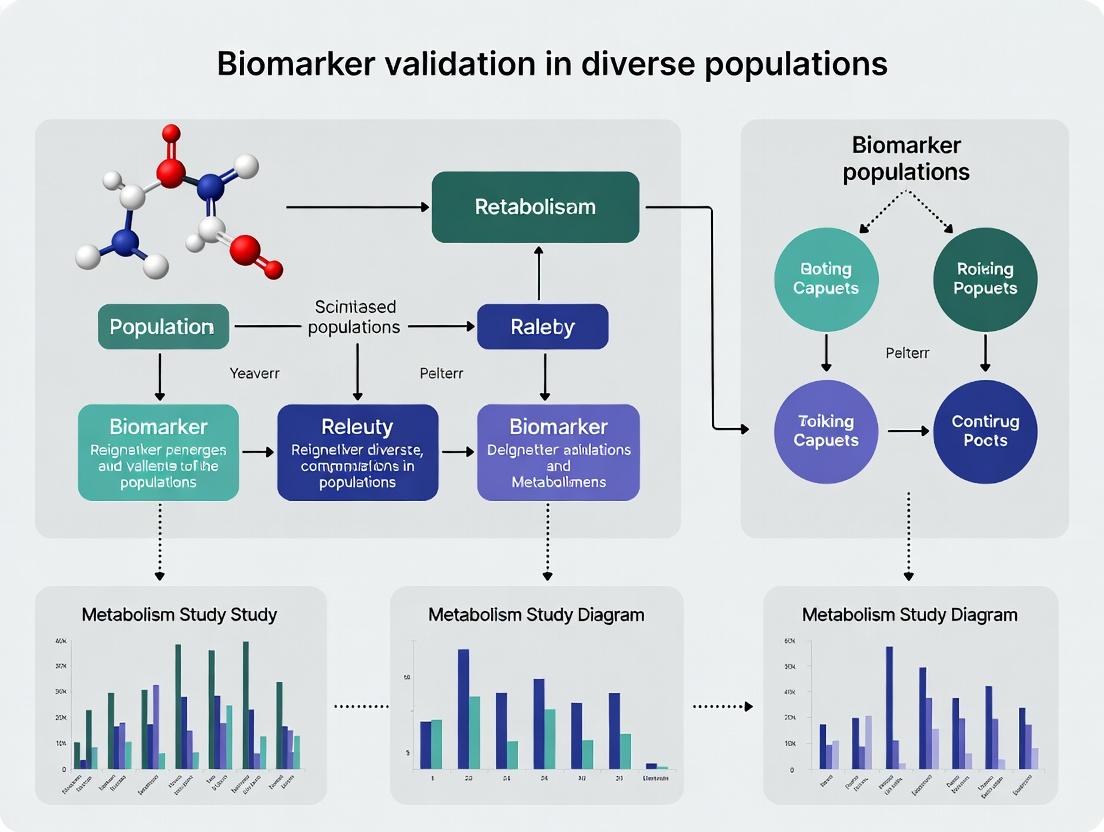
This article addresses the critical gap in biomarker validation for Indigenous populations, exploring foundational disparities, methodological challenges, and ethical frameworks.
Biomarker Validation in Indigenous Populations: Achieving Equity in Precision Medicine
Abstract
This article addresses the critical gap in biomarker validation for Indigenous populations, exploring foundational disparities, methodological challenges, and ethical frameworks. Targeting researchers, scientists, and drug development professionals, it details why genetic, environmental, and sociocultural diversity necessitate population-specific validation strategies. It provides actionable guidance on study design, community engagement, troubleshooting common biases, and establishing robust, comparative validation protocols to ensure biomarkers are equitable, effective, and clinically relevant across all ancestries.
Why Biomarker Validation Fails Indigenous Populations: Unpacking the Equity Gap
Technical Support Center
Frequently Asked Questions (FAQs)
Q1: Our biomarker panel, validated in a cohort of European ancestry, shows significantly reduced sensitivity (AUC dropped from 0.92 to 0.68) when applied to a cohort with Indigenous American ancestry. What are the primary technical and biological factors we should investigate first? A: This is a common issue. First, investigate population-specific allele frequencies (AF) in your target regions. Use gnomAD or the Indigenous Allele Frequency Database (IAFD) to check if your SNP probes capture the correct variants. Second, assess linkage disequilibrium (LD) patterns; the haplotype block structure in the new population may differ, rendering your tag SNPs ineffective. Technically, review your genotyping array design—it may lack imputation backbone SNPs crucial for the new population. A re-optimization of the panel using population-specific reference panels is often necessary.
Q2: During the replication phase in a multi-ethnic cohort, we encounter batch effects that correlate strongly with population labels. How can we distinguish true genetic stratification from technical artifact? A: Implement a stepwise troubleshooting protocol:
- Control Check: Analyze known control samples (e.g., HapMap trios) included in each batch. Deviation in their clustering indicates a technical batch effect.
- PCA with Controls: Run Principal Component Analysis (PCA) on the experimental data and the batch control data together. If population clusters separate along the same principal components as the controls, the effect is likely technical.
- Sex Chromosome Concordance: Check genotype concordance on the X chromosome across batches by reported sex. High discordance suggests a batch-specific calling issue.
- Use of Unsupervised Methods: Apply tools like
ComBatorCONFINEDto correct for known batch artifacts, then re-run association tests. If significant associations disappear post-correction, they were likely artifacts.
Q3: We are designing a new GWAS for a cardiometabolic trait and intend to include Indigenous cohorts. What are the critical steps in optimizing the imputation pipeline to avoid the "missing heritability" problem? A: Standard imputation servers using the 1000 Genomes Project reference will underperform. Your pipeline must:
- Use a Tailored Reference Panel: Combine the TOPMed reference with a population-specific reference panel (e.g., from the Native American Genome Diversity Project) if available.
- Pre-Imputation QC: Be less aggressive on variant missingness thresholds, as rare variants in one population may be common in another.
- Post-Imputation Filtering: Use an R² (imputation quality score) threshold tailored for diverse populations (e.g., >0.6 instead of >0.8 for rare variants) and validate with sequencing subset.
- Iterate: Perform association testing, then use results to inform a second, more focused imputation round for regions of interest.
Experimental Protocol: Validating a Pharmacogenetic Biomarker in an Underrepresented Population
Objective: To determine if a known warfarin dosing VKORC1 variant (rs9923231) association and dose algorithm holds predictive power in a specific Indigenous population.
Materials & Workflow:
Diagram Title: Biomarker Validation Workflow for Diverse Cohorts
Detailed Methodology:
- Cohort & Phenotyping: Recruit 500 consenting adults from the Indigenous population on stable warfarin therapy (>3 months). Record stable maintenance dose, INR time-in-therapeutic-range (TTR), age, weight, sex, and relevant comedications.
- Genotyping:
- Extract DNA from whole blood.
- Perform targeted TaqMan assay for VKORC1 rs9923231.
- In parallel: Process all samples on a global screening array (e.g., Infinium Global Diversity Array) for stratification control.
- Sequence whole genomes for a randomly selected subset (n=50) to build a local reference.
- Quality Control (QC):
- Apply sample-level QC: call rate >98%, sex concordance.
- Apply variant-level QC: call rate >95%, Hardy-Weinberg equilibrium p > 1x10^-6.
- Perform PCA against 1000 Genomes populations to identify and control for genetic substructure.
- Imputation: Impute genotypes using the TOPMed reference panel supplemented with the 50 local genomes. Filter imputed variants with R² > 0.7.
- Analysis:
- Perform linear regression: log(stable dose) = β₀ + β₁(genotype) + β₂(age) + β₃(weight) + β₄(PCl) + β₅(PC2) + ε.
- Compare β₁ (effect size) to published estimates from European cohorts.
- Apply the published International Warfarin Pharmacogenetics Consortium algorithm. Calculate the coefficient of determination (R²) and mean absolute error (MAE) for your cohort.
- Recalibrate the algorithm by adjusting population-specific coefficients.
Key Research Reagent Solutions
| Item Name | Vendor Example | Function in Diverse Cohort Research |
|---|---|---|
| Infinium Global Diversity Array | Illumina | Genotyping array with enhanced content from African, East Asian, Indigenous American, and other populations for improved genome coverage. |
| Multiethenic PCA Control Kit | Coriell Institute | Reference DNA from globally diverse populations for identifying and correcting population stratification in genetic studies. |
| QIAGEN DNeasy Blood & Tissue Kit | QIAGEN | Reliable DNA extraction from varied sample types (e.g., saliva, blood) ensuring high yield for downstream WGS. |
| TOPMed Imputation Server | NHLBI | Free imputation service utilizing the diverse TOPMed reference panel, superior for non-European populations. |
| Ancestry SNP Panel (Flexible) | Thermo Fisher | Customizable TaqMan array for rapid, cost-effective screening of ancestry-informative markers (AIMs) for cohort QC. |
Quantitative Data Summary: Impact of Genomic Diversity on Biomarker Performance
Table 1: Comparison of Polygenic Risk Score (PRS) Performance Across Populations for Coronary Artery Disease (CAD)
| Population in Discovery GWAS | Population in Target Cohort | Reported AUC for PRS | Relative Predictive Performance (vs. European Target) | Primary Reason for Discrepancy |
|---|---|---|---|---|
| European (N~500k) | European | 0.82 | 1.0 (Baseline) | N/A |
| European (N~500k) | South Asian | 0.72 | 0.88 | Difference in LD & allele frequencies |
| European (N~500k) | Indigenous American | 0.58 - 0.65 | 0.71 - 0.79 | Divergent genetic architecture; lack of discovery variants |
| Multi-ethnic (incl. ~50k Indigenous) | Indigenous American | 0.76 | 0.93 | Improved portability with diverse discovery |
Table 2: Allele Frequency Disparities for a Hypothetical Drug Response Variant
| Variant ID (Hypothetical) | Associated Phenotype | Allele Frequency (European, gnomAD) | Allele Frequency (Indigenous American, IAFD) | Clinical Implication if Missed |
|---|---|---|---|---|
| rsExample001 | Efficacy for Drug A | 0.25 (Common) | 0.02 (Rare) | Drug may be incorrectly recommended. |
| rsExample002 | Risk of Adverse Event | 0.01 (Rare) | 0.15 (Common) | Critical safety signal may be missed. |
Signaling Pathway Analysis: Population-Specific Pharmacokinetics
Diagram Title: Genetic Variant Effect on Drug Metabolism Pathway
Technical Support Center: Troubleshooting & FAQs
Frequently Asked Questions
Q1: Our GWAS in an Indigenous cohort yielded many variants not annotated in the GRCh38 reference. Are these real findings or technical artifacts? A: This is a common and critical issue. First, map your raw reads to an ancestry-specific reference graph (e.g., using pangenome resources like the Human Pangenome Reference Consortium) and compare variant calls. Validate top candidates with Sanger sequencing in the original samples. Artifacts from mapping bias against the linear reference are frequent. True population-specific variants will validate and may be found in population databases like gnomAD if your population is represented.
Q2: How do we functionally characterize a novel, population-specific non-coding variant identified in a pharmacogenomics biomarker candidate? A: Follow this validation cascade:
- In silico Analysis: Use tools like ENCODE, SCREEN, and population-specific haplotype databases (e.g., TOPMed) to predict regulatory impact.
- In vitro Reporter Assays: Clone the alternative allele haplotypes into a luciferase reporter vector and transfer relevant cell lines.
- CRISPR Editing: Use CRISPR-Cas9 to isogenically introduce the variant into a cell line and perform RNA-seq and phenotypic assays (e.g., drug response).
- Functional Genomic Validation: Perform ChIP-seq for histone marks or transcription factor binding and Hi-C for chromatin conformation changes, if the variant is predicted to be regulatory.
Q3: When validating a cardiovascular biomarker panel in diverse populations, we observe drastically different linkage disequilibrium (LD) patterns. How does this impact validation? A: Different LD structures can lead to the tagging of different causal variants, altering biomarker performance. Your validation protocol must move beyond single-variant replication.
- Fine-Mapping: Conduct conditional analyses and statistical fine-mapping (e.g., using SuSiE) within each ancestral group to identify credible sets of causal variants.
- Haplotype-Based Testing: Test biomarker associations at the haplotype level, not just single SNP levels.
- Trans-ancestry Meta-analysis: Perform this to increase power and improve fine-mapping resolution at shared causal loci.
Q4: What are the best practices for selecting a genomic reference when analyzing whole-genome sequencing data from an understudied Indigenous population? A: A tiered approach is recommended:
- Primary Analysis: Use a pangenome reference or create a population-specific reference graph if a sufficient number of high-quality, phased assemblies (n>50) from the population are available.
- Secondary Analysis: If (1) is not feasible, use the GRCh38 reference with the addition of population-specific variants (e.g., from the 1000 Genomes Project or local datasets) as decoy sequences to improve mapping.
- Sensitivity Analysis: Call variants using both GRCh38 and an alternative reference (e.g., the Chinese or Telomere-to-Telomere CHM13 assembly) to assess mapping-induced variant call differences.
Troubleshooting Guides
Issue: Low Imputation Accuracy in an Admixed Population Cohort Symptoms: Poor imputation info scores (<0.4), discordant genotypes upon validation. Solution:
- Check Reference Panel: Ensure your reference panel closely matches the ancestral makeup of your cohort. Do not use a single-population panel (e.g., EUR-only) for admixed individuals.
- Use a Combined Panel: Utilize a combined reference panel (e.g., TOPMed + population-specific sequences if available).
- Pre-Phasing: Use a phasing algorithm (e.g., Eagle2, SHAPEIT4) that models admixture and switch errors.
- Limit to High-Quality Variants: Prior to imputation, strictly filter variants on call rate (>99%) and Hardy-Weinberg equilibrium p-value (control for population stratification when setting threshold).
Issue: Population Stratification Confounding Polygenic Risk Score (PRS) Performance Symptoms: PRS trained in one population fails to predict phenotype or shows calibrated in another, leading to health disparity. Solution:
- Compute Principal Components (PCs): Generate PCs from your target cohort and the training cohort's GWAS summary statistics.
- Genetic Ancestry PCA Proximity Filtering: Restrict PRS application to individuals within your target cohort who cluster genetically with the training population, and clearly report this limitation. Alternatively, use a trans-ancestry PRS method (e.g., PRS-CSx, CT-SLEB) that leverages multiple population GWAS.
- Calibrate and Report: Always report the variance explained (R²) and calibration plots within each distinct genetic subgroup of your target cohort. Do not report only aggregate performance.
Table 1: Comparison of Genomic Reference Builds for Variant Discovery
| Reference Build | Type | % of Reads Mapped (Avg. Across Populations) | Novel Variants Discovered in Indigenous Cohort (vs. GRCh38) | Critical Gaps/Issues |
|---|---|---|---|---|
| GRCh37/hg19 | Linear, Eur-centric | ~99.7% | Low (Highly Incomplete) | Lacks 624 correct alternative loci; poor for SV calling. |
| GRCh38/hg38 | Linear, Improved | ~99.8% | Baseline (0) | Still lacks diversity; alt loci handling is complex. |
| CHM13 T2T | Linear, Complete | ~99.9% | ~3 Million SNVs, ~100k SVs* | Represents a single haplotype; not a pangenome. |
| HPRC Draft Pangenome | Graph, 47 haplotypes | ~99.95% | ~5 Million SNVs, ~200k SVs* | Gold standard for diverse discovery; computational overhead. |
*Estimated increases over GRCh38 for a previously unsequenced population.
Table 2: Functional Assay Success Rates for Validating Non-Coding Variants
| Validation Assay | Typical Timeline | Success Rate for Regulatory Variants* | Key Technical Challenge | Required Control |
|---|---|---|---|---|
| Luciferase Reporter Assay | 2-4 weeks | 60-75% | Identifying correct cell type and minimal promoter context. | Empty vector + ancestral allele construct. |
| CRISPR Inhibition/Activation | 4-8 weeks | 70-80% | Off-target effects and incomplete perturbation. | Non-targeting gRNA + multiple gRNAs per variant. |
| CRISPR Base/Prime Editing | 3-6 months | 40-60% | Low editing efficiency and bystander edits. | Unedited clone and isogenic wild-type revertant. |
| Massively Parallel Reporter Assay | 3-5 months | >90% (for screening) | Results may not reflect native chromatin context. | Complex barcode design and deep sequencing. |
*Success defined as detection of a statistically significant allele-specific effect on gene expression or regulatory activity.
Experimental Protocol: Allele-Specific Functional Validation via CRISPRa and Reporter Assay
Objective: To determine if a candidate non-coding variant regulates gene expression in an allele-specific manner.
Materials: See "Research Reagent Solutions" below.
Protocol Part A: Luciferase Reporter Assay
- Haplotype Cloning: Amplify a ~1.5 kb genomic region flanking the variant of interest (VOI) from homozygous reference and alternate allele carriers. Clone into a pGL4.23[luc2/minP] vector upstream of a minimal promoter.
- Cell Seeding: Seed relevant cell lines (e.g., HepG2 for liver, iPSC-derived cardiomyocytes) in 96-well plates.
- Transfection: Co-transfect 100 ng of reporter plasmid and 10 ng of pRL-SV40 Renilla control plasmid using a lipid-based transfection reagent. Include empty vector controls.
- Luciferase Measurement: At 48 hours post-transfection, lyse cells and measure firefly and Renilla luciferase activity using a dual-luciferase assay kit on a plate reader.
- Analysis: Normalize firefly luminescence to Renilla for transfection efficiency. Compare normalized luminescence between reference and alternate allele constructs across ≥3 biological replicates (unpaired t-test).
Protocol Part B: CRISPR Activation (CRISPRa) Validation
- gRNA Design: Design two gRNAs targeting within 200 bp upstream/downstream of the VOI. Clone into a dCas9-VPR lentiviral vector.
- Lentivirus Production: Produce lentivirus for each gRNA and a non-targeting control in Lenti-X 293T cells.
- Cell Line Infection: Infect the relevant cell line (expressing low baseline levels of the target gene) with virus and select with puromycin for 5 days.
- Expression Analysis: Harvest RNA from polyclonal populations. Perform RT-qPCR for the putative target gene and two housekeeping genes (e.g., GAPDH, ACTB).
- Analysis: Calculate ΔΔCt values relative to the non-targeting gRNA control. Test for significant overexpression with a one-sample t-test against a value of 1 (no change).
Visualizations
Diagram 1: Pangenome vs Linear Reference Mapping
Diagram 2: Biomarker Validation Workflow for Diverse Cohorts
The Scientist's Toolkit: Research Reagent Solutions
Table 3: Essential Reagents for Population-Specific Variant Functionalization
| Item | Function & Rationale | Example Product/Catalog |
|---|---|---|
| Ancestry-Informed Reference DNA | Genomic DNA from well-characterized, ethically sourced individuals of specific populations. Critical as positive controls and for assay development. | Coriell Institute Biobank; NIGMS Human Genetic Cell Repository. |
| Pangenome-Aligned WGS Data | Raw sequencing data (FASTQ/BAM) aligned to a graph reference (e.g., HPRC). Reduces reference bias in initial discovery. | European Nucleotide Archive (ENA); AnVIL. |
| Population-Specific iPSC Line | Induced pluripotent stem cells from diverse donors. Enables functional studies in relevant cell types (e.g., cardiomyocytes, hepatocytes). | HipSci; Allen Cell Collection. |
| Dual-Luciferase Reporter System | Quantifies allele-specific regulatory activity. The dual system controls for transfection efficiency. | Promega pGL4 Vectors; Dual-Luciferase Reporter Assay. |
| CRISPR-dCas9 Activation System | Enables targeted gene overexpression without cutting DNA (CRISPRa). Tests sufficiency of a regulatory element. | Addgene: dCas9-VPR (63798); SAM (gRNA) plasmids. |
| Multiplexed Reporter Assay Library | For screening hundreds of variant haplotypes simultaneously (MPRA). Identifies regulatory variants at scale. | Custom oligo library synthesis (Twist Bioscience, Agilent). |
| Trans-ancestry GWAS Summary Statistics | Meta-analyzed results from diverse cohorts. Essential for PRS construction and fine-mapping. | GWAS Catalog; PAGE Study; Biobank Japan. |
Technical Support Center
FAQ & Troubleshooting Guide
Q1: Our targeted LC-MS/MS analysis of polycyclic aromatic hydrocarbon (PAH) metabolites in dried blood spots from an Indigenous cohort shows inconsistent recovery rates. What could be the issue? A: Inconsistent recovery is often due to variable matrix effects from unique dietary components (e.g., high consumption of smoked or marine mammals) or the use of culturally specific plant-based medicines. These can co-elute and cause ion suppression or enhancement.
- Troubleshooting Steps:
- Use Isotopically Labeled Internal Standards: Spike samples with deuterated or 13C-labeled analogs of each target PAH metabolite before extraction to correct for recovery losses and matrix effects.
- Implement Standard Addition: For a subset of samples, prepare aliquots spiked with increasing known concentrations of the analyte. Plot the measured concentration versus the added concentration. The x-intercept gives the original sample concentration, correcting for matrix effects.
- Optimize Chromatography: Increase the LC gradient time to better separate analyte peaks from potential interferences.
Q2: When validating a novel inflammatory biomarker (e.g., GlycA) via NMR in serum, how do we account for high prevalence of chronic infections (e.g., Helicobacter pylori) in some Indigenous populations? A: Concurrent infections can acutely elevate inflammatory markers, confounding the measurement of chronic, low-grade inflammation linked to environmental exposures.
- Troubleshooting Steps:
- Collect Concurrent Infection Status: Include a point-of-care test for common local infections (e.g., H. pylori stool antigen) during biospecimen collection.
- Statistical Covariate Adjustment: In your analysis model, include infection status as a binary (positive/negative) covariate.
- Apply Multiple Measurements: If feasible, collect longitudinal samples to differentiate acute (infection-driven) spikes from sustained baseline elevation.
Q3: DNA methylation age acceleration analysis in our Indigenous participant samples yields outliers. What are potential culturally relevant confounders? A: Lifestyle factors with distinct patterns in some Indigenous communities can significantly impact epigenetic clocks.
- Troubleshooting Steps:
- Review Exposure Questionnaire Data: Scrutinize data on traditional tobacco use (which differs chemically from commercial cigarettes), alcohol consumption patterns, and shift work in remote industries (e.g., mining).
- Conduct Sensitivity Analyses: Re-run models excluding outliers, then sequentially adjust for the above lifestyle factors. Report how effect estimates for your primary environmental exposure change.
- Consider Community-Specific Clocks: Be aware that pan-population epigenetic clocks may have bias. Explore using recently developed clocks trained on more diverse populations.
Experimental Protocol: Validating a Biomarker of Traditional Diet Intake
Objective: To quantify and validate the biomarker trans-palmitoleic acid (C16:1n-7) in plasma phospholipids as an objective measure of traditional marine mammal and dairy food intake in an Indigenous Arctic community.
Materials & Reagents:
- Sample: 50 µL of frozen plasma (-80°C).
- Internal Standard: Heptadecanoic acid (C17:0) solution, 10 µg/mL in hexane.
- Extraction Solvents: Chloroform, methanol (HPLC grade), hexane.
- Derivatization Reagent: 14% Boron trifluoride (BF3) in methanol.
- Solid Phase Extraction (SPE): Aminopropyl (NH2) columns (100 mg/1 mL).
- Analysis: Gas Chromatograph with Flame Ionization Detector (GC-FID) or GC-MS.
Step-by-Step Protocol:
- Lipid Extraction: Thaw plasma on ice. Spike 50 µL plasma with 10 µL of C17:0 internal standard. Add 750 µL chloroform:methanol (2:1 v/v). Vortex for 2 min, centrifuge at 10,000g for 5 min. Transfer lower organic layer to a new tube. Dry under a gentle stream of nitrogen.
- Phospholipid Separation: Reconstitute dried lipid extract in 200 µL hexane. Condition an NH2-SPE column with 2 mL hexane. Load sample. Wash with 2 mL chloroform:isopropanol (2:1 v/v) to elute neutral lipids. Elute phospholipids into a clean tube with 2 mL methanol containing 2% acetic acid. Dry under nitrogen.
- Fatty Acid Methyl Ester (FAME) Derivatization: Add 1 mL of 14% BF3-methanol to dried phospholipids. Heat at 100°C for 60 min. Cool. Add 1 mL hexane and 1 mL saturated NaCl solution. Vortex, centrifuge. Collect hexane (top) layer containing FAMEs. Dry and reconstitute in 100 µL hexane for GC analysis.
- GC Analysis: Inject 1 µL onto a highly polar capillary column (e.g., CP-Sil 88, 100m x 0.25mm). Use hydrogen carrier gas. Temperature program: 45°C to 215°C at 3°C/min. Identify trans-palmitoleic acid via comparison to authenticated FAME standards. Quantify using the internal standard (C17:0) method.
Visualization: Biomarker Validation Workflow for Unique Exposomes
Title: Indigenous Exposome Biomarker Validation Workflow
The Scientist's Toolkit: Research Reagent Solutions
| Item | Function in Indigenous Health Research |
|---|---|
| Deuterated/Labeled Internal Standards | Critical for mass spectrometry-based assays to correct for variable matrix effects caused by unique dietary components and ensure quantitative accuracy. |
| Ancestry Informative Markers (AIMs) Panel | A set of genetic polymorphisms to estimate population substructure and genetic admixture, which must be included as a covariate in association studies. |
| Stabilization Buffer (e.g., for RNA) | Preserves labile biomarkers during often-lengthy transport from remote communities to central labs without constant freezing. |
| Point-of-Care Test Kits (e.g., HbA1c, CRP) | Enables immediate return of clinically actionable health data to participants, fostering trust and reciprocal benefit. |
| Customized Food Frequency Questionnaire (FFQ) | A dietary assessment tool culturally adapted to include traditional foods (e.g., bush meats, wild plants) to accurately capture the dietary exposome. |
Quantitative Data Summary: Selected Exposome Components in Indigenous vs. Non-Indigenous Cohorts
Table 1: Comparative Biomarker Levels of Environmental Exposures
| Exposure Biomarker | Typical Source | Reported Level in General Pop. (Example) | Reported Level in Specific Indigenous Cohort (Example) | Key Reference (Example) |
|---|---|---|---|---|
| Persistent Organic Pollutants (POPs) e.g., PCB-153 | Legacy contaminants, global distillation | Serum: 20-50 ng/g lipid (Arctic monitoring) | Serum: 100-250 ng/g lipid (Inuit populations) | AMAP, 2021 |
| Fatty Acids (Trans-palmitoleic) | Marine mammals, dairy | Plasma phospholipids: ~0.2% of total FAs | Plasma phospholipids: 0.8-1.5% of total FAs (Alaska Native) | Mohatt et al., 2022 |
| Heavy Metals (Cadmium) | Smoking, certain traditional medicines/shellfish | Blood: <0.5 µg/L (non-smoker) | Blood: 1.5-3.0 µg/L (some First Nations, linked to traditional use) | Liberda et al., 2021 |
Table 2: Confounding Factors in Biomarker Analysis
| Confounding Factor | Impact on Biomarker | Statistical Control Method |
|---|---|---|
| High H. pylori Prevalence | Acutely elevates CRP, IL-6, GlycA | Measure & include as binary covariate in regression models. |
| Genetic Admixture/Population Stratification | Can create false associations in genetic/epigenetic studies | Use AIMs as covariates or apply genetic principal components. |
| Distinct Body Composition | Alters volume of distribution for lipophilic biomarkers (e.g., POPs) | Express concentration per gram lipid, not per mL serum. |
Technical Support Center: Troubleshooting Guides & FAQs
Topic: Biomarker Validation in Diverse and Indigenous Populations
FAQ 1: How can we address concerns about data sovereignty and sample ownership when collaborating with Indigenous communities?
Answer: Implement a pre-study agreement that is co-developed with community leadership. This agreement must explicitly define data ownership, access controls, future use permissions, and benefit-sharing. Utilize a "DNA on loan" model or similar framework where the community retains stewardship. Secure review and approval from a community-based research review board, which operates alongside your institutional IRB.
FAQ 2: What are common methodological pitfalls in biomarker validation across ancestrally diverse cohorts, and how can we troubleshoot them?
Answer: The primary pitfall is failing to account for population-specific genetic variation and environmental covariates.
| Pitfall | Technical Symptom | Solution |
|---|---|---|
| Population Stratification | Spurious association between biomarker and phenotype due to underlying ancestry differences. | Genotype and include principal components (PCs) of genetic ancestry as covariates in analysis. |
| Differential Linkage Disequilibrium (LD) | Variant effect sizes differ across populations due to varying LD patterns with causal variants. | Perform fine-mapping in each population group; prioritize functional validation over single-variant associations. |
| Cohort-Specific Environmental Confounders | Biomarker levels correlate with unmeasured lifestyle/dietary factors unique to a sub-population. | Design studies to collect granular environmental data; use multivariate adjustment and sensitivity analysis. |
FAQ 3: Our assay yields inconsistent results when applied to new population samples. What steps should we take?
Answer: Follow this systematic troubleshooting protocol.
Protocol: Troubleshooting Cross-Population Assay Transferability
- Verify Pre-Analytical Variables: Confirm consistency in sample collection, processing, storage time, and temperature across all cohorts. Differences here are the most common source of variance.
- Check for Interfering Substances: Test for common biochemical interferents (e.g., bilirubin, hemoglobin, lipids) that may have different population prevalences. Perform spike-and-recovery and linearity-of-dilution experiments.
- Assess Genetic Variants in Assay Targets: Use whole-genome or exome sequencing data (if available) to check for high-frequency polymorphisms in the primer/probe binding sites (for molecular assays) or antibody epitopes (for immunoassays) within the new population.
- Re-calibrate Using Population-Specific Controls: If technical issues are ruled out, re-evaluate the clinical cutoff values using controls and reference samples from the new population. The original cutoffs may not be generalizable.
The Scientist's Toolkit: Research Reagent Solutions for Inclusive Biomarker Studies
| Item | Function & Importance for Diverse Cohorts |
|---|---|
| Ancestry Informative Markers (AIMs) Panel | A set of genetic variants with large frequency differences across populations. Used to quantify and control for genetic ancestry in analyses, preventing stratification bias. |
| Ethnically Diverse Reference DNA Panels | Genomic DNA from multiple, well-characterized ancestral backgrounds. Essential for validating that genotyping or sequencing assays perform equally well across all variants of interest. |
| Community-Engaged Research (CBR) Toolkit | Non-technical but critical. Includes template CBRA agreements, cultural competency guides, and plain-language consent forms. Foundational for ethical and sustainable collaboration. |
| Multiplex Immunoassay with Extended Dynamic Range | Allows simultaneous measurement of many biomarkers from small sample volumes. Crucial for studies where sample availability from each participant may be limited. |
Diagram 1: Co-Developed Research Workflow for Trust
Diagram 2: Biomarker Validation with Ancestry Covariates
Troubleshooting Guides & FAQs
FAQ 1: Why do we observe significantly different baseline levels of cardiac troponin (cTn) in Indigenous populations compared to reference ranges established in predominantly European cohorts?
- Answer: Documented disparities in cTn levels are often rooted in a higher prevalence of subclinical structural heart conditions, such as left ventricular hypertrophy, in some Indigenous communities. This can be due to socioeconomic factors, higher rates of hypertension, and renal dysfunction. It does not necessarily indicate an acute myocardial infarction (AMI). When validating cTn assays, it is critical to establish population-specific 99th percentile upper reference limits (URLs) to avoid misdiagnosis.
- Troubleshooting: If your study yields unexpected high cTn baseline values:
- Re-evaluate Inclusion Criteria: Ensure the "healthy" reference cohort is rigorously screened with echocardiography to exclude structural heart disease.
- Assay Interference: Rule out assay-specific interference from bilirubin or rheumatoid factor, which may vary in prevalence.
- Statistical Approach: Use non-parametric statistical methods (e.g., 95th percentile confidence interval) for URL determination if data is not normally distributed.
FAQ 2: How should we address the poor performance of the HOMA-IR model for assessing insulin resistance in an Indigenous study cohort with high obesity prevalence?
- Answer: The Homeostatic Model Assessment for Insulin Resistance (HOMA-IR) relies on assumptions about hepatic and peripheral glucose metabolism that may not hold across diverse physiologies. In populations with high obesity prevalence, pancreatic beta-cell function and hepatic insulin extraction can differ, leading to miscalculation.
- Troubleshooting:
- Gold Standard Comparison: Validate HOMA-IR results against the hyperinsulinemic-euglycemic clamp technique in a subset of participants to derive a population-specific correction factor.
- Alternative Biomarkers: Consider incorporating adipokines (e.g., adiponectin, leptin) or pro-inflammatory markers (e.g., hs-CRP) into a composite model.
- Protocol Adjustment: Ensure fasting blood samples are collected under strict, standardized conditions (12-hour fast, no strenuous activity), as metabolic turnover rates can vary.
FAQ 3: What are the primary sources of pre-analytical variability when measuring prostate-specific antigen (PSA) in community-based research with remote Indigenous populations?
- Answer: The primary challenges are logistical, leading to pre-analytical degradation. These include extended time between sample collection and processing, lack of consistent refrigeration, and potential hemolysis due to difficult transport conditions. PSA is relatively stable in serum, but prolonged exposure to high temperatures can degrade the protein.
- Troubleshooting:
- Field Protocol: Implement standardized, point-of-care centrifugation if possible. Use serum separator tubes and freeze samples at -20°C immediately after clotting and spinning.
- Stability Testing: Conduct pilot stability tests to determine the acceptable time-to-processing window for your specific assay and transport chain.
- Sample Quality Control: Measure hemolysis index on all samples and exclude severely hemolyzed specimens from analysis, as it can interfere with some PSA immunoassays.
FAQ 4: Our genome-wide association study (GWAS) for lipid biomarkers failed to replicate known European variants in an Indigenous cohort. Is our genotyping flawed?
- Answer: This is likely a biological reality, not a technical flaw. Most GWAS have been conducted in European populations, and the allele frequency, linkage disequilibrium patterns, and effect sizes of variants can differ substantially in populations with different demographic histories.
- Troubleshooting:
- Population Stratification: Re-analyze data using principal components or relatedness matrices to control for population substructure.
- Polygenic Risk Scores (PRS): Do not apply European-derived PRS directly. Develop or calibrate PRS using trans-ancestry summary statistics or cohort-specific effect estimates.
- Expand Discovery: Consider a discovery-focused approach (e.g., whole-genome sequencing) to identify population-specific variants associated with your biomarkers of interest.
Data Presentation: Documented Biomarker Disparities
Table 1: Selected Cardiovascular and Metabolic Biomarker Reference Limits
| Biomarker | Population (Study) | Established 99th %ile URL / Normal Range | Value in Indigenous Cohort Study | Key Implication |
|---|---|---|---|---|
| High-Sensitivity Cardiac Troponin I | Australian Aboriginal (AIHI) | 16 ng/L (European) | 26 ng/L (Women), 32 ng/L (Men) | Risk of over-diagnosis of AMI if European URL applied. |
| HbA1c | Native American (SEARCH) | <5.7% (Normal) | Higher prevalence of elevated HbA1c at younger ages. | May reflect earlier onset of beta-cell decline, not just glycemic control. |
| Vitamin D (25-OH-D) | Canadian Inuit | >50 nmol/L (Sufficiency) | Widespread levels <50 nmol/L. | Complicates interpretation of bone health & immune markers; need for population-specific sufficiency thresholds. |
| PSA Density | African Ancestry Men | <0.15 ng/mL/cc (Common Cut-off) | Data lacking for many Indigenous groups. | Aggressive prostate cancer risk may be underestimated without population-specific MRI fusion biopsy validation. |
Experimental Protocols
Protocol 1: Establishing Population-Specific Upper Reference Limits for Cardiac Troponin Title: Determination of 99th Percentile Upper Reference Limit for hs-cTn in a Defined Reference Population.
- Reference Cohort Selection: Recruit ≥300 ostensibly healthy individuals (balanced by sex) aged ≥18 years. Health defined by questionnaire, physical exam, ECG, and echocardiography to exclude structural heart disease, hypertension, renal impairment (eGFR <60), and diabetes.
- Blood Collection & Processing: Draw serum using standardized, traceable tubes after a 12-hour fast. Centrifuge within 60 minutes. Aliquot and freeze at -80°C within 4 hours. Avoid freeze-thaw cycles.
- Assay Analysis: Use a single, FDA-approved or well-validated hs-cTnI or hs-cTnT assay. Analyze all samples in duplicate in a single batch to minimize inter-assay variability.
- Statistical Analysis: Assess distribution (Shapiro-Wilk test). Use non-parametric method to determine the 99th percentile value with a 95% confidence interval. Report separately for males and females.
Protocol 2: Trans-ancestry Calibration of a Polygenic Risk Score for LDL Cholesterol Title: Development of a Population-Calibrated Polygenic Risk Score for LDL-C.
- Genotyping & Quality Control: Perform genome-wide genotyping. Apply standard QC: call rate >98%, Hardy-Weinberg equilibrium p>1x10^-6, minor allele frequency >1%. Impute to a trans-ancestry reference panel (e.g., TOPMed).
- Phenotype Measurement: Use standardized, fasting LDL-C measurements (direct or calculated).
- Base Data: Obtain summary statistics from large, multi-ancestry GWAS for LDL-C (e.g., Global Lipids Genetics Consortium).
- PRS Construction & Calibration: Calculate an initial PRS using clumping and thresholding or LDpred2. In the Indigenous cohort, perform a linear regression of measured LDL-C on the PRS, adjusting for principal components of ancestry. Use the residuals or re-weighted effect sizes to generate a calibrated PRS.
Mandatory Visualizations
Title: Protocol for Establishing Biomarker Reference Limits
Title: Pathway Linking Social Factors to Elevated Troponin
The Scientist's Toolkit
Table 2: Key Research Reagent Solutions for Biomarker Validation Studies
| Item | Function & Rationale |
|---|---|
| High-Sensitivity Troponin (hs-cTn) Assay | Precise quantification of very low cTn concentrations essential for defining population-specific 99th percentiles and detecting subclinical injury. |
| Ethylenediaminetetraacetic Acid (EDTA) Plasma Tubes | Preserves cell-free DNA and prevents coagulation for genomic and proteomic studies. Critical for GWAS and circulating tumor DNA analysis. |
| Stabilized Serum Separator Tubes | Contains a gel barrier and clot activator. Crucial for remote collection to stabilize proteins like PSA during transport prior to centrifugation. |
| Multi-ancestry Genotyping Array | Microarray optimized for genetic variant capture across diverse global populations, improving imputation accuracy for trans-ancestry GWAS and PRS. |
| Adiponectin ELISA Kit | Quantifies this insulin-sensitizing adipokine. A key complementary measure to HOMA-IR for assessing metabolic health in obesity-prevalent cohorts. |
| Liquid Nitrogen Dry Shipper | Enables long-term, stable transport of frozen samples from remote field sites to central laboratories, preserving biomarker integrity. |
Designing Inclusive Biomarker Studies: Protocols for Indigenous Community Engagement
Community-Based Participatory Research (CBPR) as a Non-Negotiable Framework
Technical Support Center: Troubleshooting CBPR in Biomarker Validation with Diverse & Indigenous Populations
This support center addresses common challenges researchers face when implementing CBPR principles in biomarker validation studies.
FAQs & Troubleshooting Guides
Q1: Our academic Institutional Review Board (IRB) approved our protocol, but the Indigenous Community Council has requested major changes. How do we proceed? A: This is a core CBPR principle in action. The community council's authority is non-negotiable. The solution is integrated review.
- Troubleshooting Steps:
- Pause all research activities until both approvals are aligned.
- Facilitate a joint meeting between key IRB members and community council representatives to discuss concerns.
- Co-draft a revised protocol that meets ethical standards of both entities.
- Establish a Memorandum of Understanding (MOU) that formalizes this dual-review process for all future study phases.
Q2: We are encountering high rates of participant dropout after initial biomarker sample collection (e.g., blood, saliva). What might be the cause and solution? A: Dropout often signals a breach in the CBPR partnership, typically a lack of continuous feedback or perceived benefit.
- Troubleshooting Steps:
- Implement a community-led communication plan. Use community-chosen methods (e.g., local radio, community meetings, newsletters) to provide ongoing, lay-friendly updates on study progress.
- Ensure tangible, immediate benefits. Beyond long-term goals, co-create immediate value (e.g., training community members as research assistants, providing individual health reports from collected samples where appropriate).
- Conduct exit interviews with those who withdraw, led by a trusted community liaison, to understand and address true concerns.
Q3: How do we validate a biomarker in a population with genetic diversity without perpetuating "helicopter research"? A: Move from extraction to co-discovery.
- Troubleshooting Steps:
- Co-define "validation" criteria. Alongside statistical parameters (sensitivity, specificity), include community-defined measures of cultural safety and utility.
- Localize analytical pipelines. If possible, process samples in a regionally appropriate lab with community oversight, rather than shipping all materials to a distant institution.
- Plan for data sovereignty from the start. Use a co-developed data governance agreement that specifies who owns data, where it is stored, who can access it, and for what purposes.
Q4: Our industry partner requires rapid timelines that conflict with the slower, trust-building pace of CBPR. How can this be reconciled? A: Advocate for CBPR as a risk mitigation strategy, not a bottleneck.
- Troubleshooting Steps:
- Present quantitative evidence: Show data (see Table 1) on how community engagement improves recruitment rates, data quality, and long-term study success.
- Propose a phased timeline: Build trust and protocols in a dedicated, funded planning phase before the main validation study clock starts.
- Highlight regulatory alignment: Emphasize that FDA and other agencies increasingly encourage inclusive research practices, making early CBPR a strategic asset.
Data Presentation: Impact of CBPR on Research Outcomes
Table 1: Comparative Outcomes in Biomarker Studies With vs. Without Early CBPR Engagement
| Metric | Studies with Formative CBPR Phase | Studies with Minimal/No Community Engagement | Data Source |
|---|---|---|---|
| Participant Recruitment Rate | 85-95% of target | 45-60% of target | Review of 15 genomic studies in Indigenous communities (2020-2023) |
| Protocol Amendment Post-Initiation | 1-2 minor amendments | 5+ major amendments | Analysis of clinical trial registries for diverse population studies |
| Sample Quality Rejection Rate | <5% | 15-25% | Internal audit from a multi-site biorepository |
| Long-term Cohort Retention (2+ years) | 70-80% | 30-50% | Longitudinal studies on chronic disease biomarkers |
Experimental Protocols
Protocol: Co-Developing a Culturally Grounded Biospecimen Collection Protocol
Objective: To collect biomarker samples (e.g., saliva for genetic analysis) in a manner that respects cultural norms, builds trust, and ensures high-quality samples.
Methodology:
- Form a Biospecimen Working Group: Assemble community elders, cultural leaders, potential participants, lab scientists, and clinic staff.
- Narrative Gathering: Conduct talking circles or structured interviews to understand historical trauma related to medical research, beliefs about bodily integrity, and preferences for handling sacred materials (e.g., blood, hair).
- Co-Design Session: Based on narratives, collaboratively design every step:
- Collection: Who collects (e.g., a trusted community health worker vs. an outside phlebotomist)? Where (clinic, community center, home)?
- Storage & Transport: Labeling conventions (using community-chosen codes, not personal names). Agreements on physical location of samples.
- Disposition: Determine future use (specific secondary analyses) and final disposition (e.g., ritual destruction, return, or indefinite storage) via a prior informed consent (PIC) document.
- Pilot & Iterate: Test the protocol with a small group from the working group, refine based on feedback, and train all staff on the final co-created protocol.
Protocol: Validating a Biomarker's Cultural Meaning (Parallel to Analytical Validation)
Objective: To assess whether a proposed biomarker (e.g., a specific protein level) holds equivalent meaning and relevance within the community's understanding of health.
Methodology:
- Translated Explanations: Present the scientific concept of the biomarker using community-developed analogies and terms, developed by bilingual/bicultural members.
- Focus Groups: Stratify groups by key demographics (age, gender, traditional knowledge holders). Discuss: Does this measurement align with your lived experience of the disease/health state? What are its potential strengths and weaknesses as an indicator?
- Deliberative Democracy Polling: Present findings from focus groups and analytical validation data to a larger, representative community sample. Facilitate informed discussion and then poll on the question: "Should our community adopt this biomarker as a valid measure of [condition] for use in research and clinical care?"
- Incorporate Feedback: Negative or cautious results require a return to the research question or a re-framing of the biomarker's proposed use.
Mandatory Visualizations
Title: CBPR Governance & Workflow for Biomarker Research
Title: Integrating Cultural Validation into Biomarker Development
The Scientist's Toolkit: Research Reagent Solutions for Ethical CBPR
| Item | Function in CBPR Context |
|---|---|
| Memorandum of Understanding (MOU) Template | A legally-informed document template to structure the research partnership, detailing roles, responsibilities, data ownership, and dispute resolution processes. |
| Digital Voice Recorders & Transcription Services | For accurately capturing narratives, talking circles, and meeting minutes, ensuring community voices are preserved verbatim and inform analysis. |
| Prior Informed Consent (PIC) Documents | Dynamic, layered consent forms that go beyond standard IRB requirements, allowing participants to choose specific uses (e.g., "for this study only," "for future heart disease research") and disposition of samples. |
| Community Ethics Review Application Kit | A guide co-created with the community to help external researchers prepare applications in a format and language appropriate for the community's own review board or council. |
| Data Sharing Platform with Granular Access Controls | A technical solution (e.g., controlled-access databases) that enables the data sovereignty agreements to be physically implemented, allowing community-approved researchers tiered access. |
| Cultural Liaison/Safety Officer Budget Line | A dedicated, non-negotiable budget item to fund salaries for community-nominated individuals who oversee participant safety and protocol cultural integrity. |
Troubleshooting Guides & FAQs
Section 1: Data Sovereignty & Governance
Q1: Our proposed study involves sharing aggregate genomic data with an international consortium. Our Indigenous community partners have signed a Data Sovereignty Agreement (DSA) that grants them oversight. What specific technical mechanisms can we implement to ensure their oversight is operational, not just symbolic?
A: Implement a layered technical architecture:
- Metadata Tagging & Filtering: All data must be tagged with provenance metadata (e.g.,
community_origin,consent_tier). Use a query-filter system (e.g., using GA4GH Passports) where any data pull is automatically filtered against community-defined rules before release. - Data Access Committees (DACs) with Integrated Tools: The DSA-mandated community DAC should have access to a dashboard (e.g., using REMS or simplified portal) that logs all access requests, approvals, and data downloads in real time. The system should allow the DAC to suspend access with one click.
- Embargo Periods & Renewal Triggers: Build automatic embargoes into the data repository. Data becomes inaccessible after a pre-set period (e.g., 2 years), and a renewal request is automatically sent to the community DAC for review before access is restored.
Q2: We are preparing samples for biomarker assay validation. How do we correctly annotate samples with Traditional Knowledge (TK) and Biocultural (BC) labels as required by our co-design agreement, and what file format standards support this?
A: Use extended standards that go beyond typical MIAME or MINSEQE guidelines.
- Annotation Process: Create a dual-annotation system. Clinical/demographic data is stored in a standard clinical matrix. TK/BC labels (e.g.,
plant_used_for_extraction,ceremonial_context,season_of_collection) are stored in a separate, linkable file, with access controlled separately based on the DSA. - Recommended Format: Use the ISA-Tab format with a custom
traditional_knowledgeinvestigation file. For genomic data, use SRA submissions but leverage thestructured_commentfield to include a persistent identifier (e.g., a DOI) pointing to the community-approved TK/BC annotation file.
Table 1: Technical Solutions for Data Sovereignty
| Requirement | Technical Mechanism | Example Tool/Standard |
|---|---|---|
| Granular Consent Enforcement | Attribute-Based Access Control (ABAC) | GA4GH Passports & Visas, REMS |
| Provenance Tracking | Immutable metadata logging | W3C PROV, Research Object CRATE |
| Community Oversight | DAC dashboards with alerting | Custom portal using OPA (Open Policy Agent) |
| TK/BC Labeling | Extended metadata schemas | ISA-Tab extensions, MixS (Minimum Information for any Sequence) |
Section 2: Biomarker Validation in Diverse Cohorts
Q3: When validating a plasma protein biomarker in an Indigenous cohort, we are getting high inter-individual variability that wasn't seen in the original validation cohort. What are the top technical factors to troubleshoot?
A: Follow this systematic checklist:
- Pre-Analytical Variables: Immediately check sample collection/handling logs. Differences in time-to-centrifugation, freeze-thaw cycles, or use of different anticoagulant tubes (e.g., EDTA vs. Heparin) can cause significant variance.
- Assay Interference: Test for heterophilic antibody interference, which can be more prevalent in populations with higher exposure to certain pathogens. Run recovery and dilution linearity experiments on a subset of problematic samples.
- Biological Normalization: The "normal" range may differ. Re-evaluate your "healthy control" criteria. Consider normalizing to another stable protein (e.g., albumin) or using population-specific reference intervals.
- Genetic Variants: Check if known genetic polymorphisms in the gene encoding your target protein or its binding partners are more frequent in the study population, potentially affecting assay antibody epitope binding.
Q4: Our RNA-seq analysis from whole blood shows a high proportion of reads mapping to microbial genomes in some Indigenous participant samples, potentially confounding host immune biomarker signals. What is the likely cause and how do we address it bioinformatically?
A: This is a known issue in global health research and is likely due to higher microbial burden or different commensal flora, not contamination.
- Protocol: During alignment, use a hybrid host-microbe reference genome. Do not filter out non-human reads prematurely.
- Create a combined reference index (e.g., using
bowtie2-buildorhisat2) of the human genome (GRCh38) and relevant microbial genomes (from databases like RefSeq). - Align reads (
bowtie2 -x hybrid_index -U input.fq). - Use a classification tool like Kraken2 or Bracken on unmapped or all reads to quantify microbial abundance.
- Include microbial load as a key covariate in your differential expression model (e.g., in
DESeq2:~ batch + microbial_load + condition).
- Create a combined reference index (e.g., using
RNA-seq Workflow for Microbial Load Analysis
The Scientist's Toolkit: Key Research Reagent Solutions
Table 2: Essential Reagents for Inclusive Biomarker Studies
| Item | Function & Relevance to Diverse Populations |
|---|---|
| Heterophilic Antibody Blocking Reagents | Blocks interfering antibodies common in global populations, reducing false positives/negatives in immunoassays. |
| Population-Inclusive Genomic Controls | Reference DNA or cell lines from diverse ancestries (e.g., Coriell Institute's diverse panels) for assay calibration and variant detection. |
| Stabilization Tubes (e.g., PAXgene, cfDNA) | Standardizes pre-analytical variables for biobanking, critical when samples travel long distances from remote communities. |
| Ancestry Informative Markers (AIMs) Panel | A targeted SNP panel to genetically characterize population structure within a cohort, a required covariate in analysis. |
| Custom Peptide/Protein Variants | Recombinant proteins representing genetic variants common in understudied populations, for assay validation and standard curves. |
Biomarker Variability Troubleshooting Flow
Sampling Strategies for Representing Genetic and Phenotypic Diversity
Technical Support Center: Troubleshooting Guides & FAQs
Q1: Our genetic variant data from an Indigenous cohort shows unexpectedly low heterozygosity. What could be the cause and how can we verify our sampling strategy? A: Low observed heterozygosity can stem from a sampling bias towards closely related individuals or sub-population structuring not accounted for during collection. To troubleshoot:
- Verify Pedigree Information: Re-examine participant questionnaires for unreported familial relationships.
- Calculate Relatedness: Use PLINK (
--genomeflag) or KING to compute pairwise kinship coefficients. Prune individuals with a kinship coefficient >0.044 (closer than second cousins). - Assess Population Structure: Perform Principal Component Analysis (PCA) on your genotype data alongside global reference panels (e.g., 1000 Genomes). Look for tight clustering.
- Protocol - Sampling Verification Workflow:
- Step 1: Genotype data QC (Call Rate > 99%, MAF > 0.01, HWE p > 1e-6).
- Step 2: Run PCA via PLINK (
--pca). - Step 3: Calculate inbreeding (F) and heterozygosity statistics (
--hetin PLINK). - Step 4: If bias is confirmed, strategically supplement your sample by recruiting unrelated individuals from broader geographic or community segments, following community-approved protocols.
Q2: When validating a cardiovascular biomarker, phenotypic measurements (e.g., blood pressure) show extreme variance within our sampled population. How do we determine if this is true biological diversity or measurement error? A: Follow this structured troubleshooting guide.
- Audit Phenotyping Protocols: Ensure all technicians are calibrated using the same equipment and standard operating procedures (SOPs). Re-train if necessary.
- Implement Blinded Duplicate Measurements: For 10% of participants, have a second technician perform a blinded duplicate measurement. Calculate the Intra-class Correlation Coefficient (ICC).
- Analyze Variance Components: Use a linear mixed model to partition variance into biological (between-individual) and technical (within-individual/error) components.
- Protocol - Phenotypic Measurement Validation:
- Step 1: For a subset (N=30), collect three repeated measures over one week under standardized conditions.
- Step 2: Use the lme4 package in R:
lmer(Phenotype ~ (1|ParticipantID)). - Step 3: Calculate ICC from model variances: ICC = σ²participant / (σ²participant + σ²_residual).
- Step 4: ICC < 0.7 indicates problematic measurement noise. Review and harmonize measurement techniques.
Q3: We are designing a study for biomarker validation in multiple Indigenous populations. How do we calculate the required sample size to ensure adequate genetic and phenotypic representation? A: Sample size must account for allele frequency and effect size differences across diverse groups. Use power calculations for genetic association.
Table 1: Sample Size Requirements for Genetic Variant Detection
| Minor Allele Frequency (MAF) | Odds Ratio | Required Sample Size per Population (80% power, α=5e-8) | Notes |
|---|---|---|---|
| 0.05 | 1.8 | ~2,100 cases & 2,100 controls | Common variant, moderate effect. |
| 0.01 | 2.5 | ~850 cases & 850 controls | Low-frequency variant, larger effect. |
| 0.001 (0.1%) | 3.0 | ~650 cases & 650 controls | Rare variant, large effect. Requires sequencing. |
Protocol - Sample Size Calculation for Diverse Cohorts:
- Step 1: Define primary biomarker (binary trait). Estimate expected allele frequencies from preliminary data or literature.
- Step 2: Use genpwr R package or CaTS power calculator.
- Step 3: For a continuous phenotype, use formula: N = (2σ²(Z₁-α/2 + Z₁-β)²) / δ², where δ is the mean difference to detect, and σ² is the phenotypic variance specific to that population.
- Step 4: Inflate final sample size by ~15% to allow for QC exclusions and to capture sub-structure.
Q4: How can we construct a sampling frame that respectfully and accurately represents an Indigenous population's diversity without exacerbating historical exploitation? A: This is an ethical and methodological priority. Implement a community-based participatory research (CBPR) framework.
- Engage Leadership Early: Collaborate with community councils, elders, and health boards in the study design phase.
- Co-develop Materials: Create informed consent documents and data sharing agreements that address data sovereignty (e.g., CARE principles).
- Stratified Sampling by Community: Treat each community or nation as a distinct stratum. Determine sample allocation proportionally or based on specific research questions co-developed with partners.
- Include Community Liaisons: Hire and train local community members as research coordinators to facilitate recruitment and communication.
The Scientist's Toolkit: Research Reagent Solutions
Table 2: Essential Materials for Diversity-Focused Genomic Studies
| Item / Solution | Function in Context |
|---|---|
| Global Screening Array v3.0+ (Illumina) | Genome-wide SNP genotyping chip with content optimized for global genetic diversity, including Indigenous populations. |
| All of Us SNP Array (Affymetrix) | Another diversity-focused array developed with broad ancestral representation. |
| TruSeq PCR-Free DNA Library Prep (Illumina) | For whole-genome sequencing with minimal bias, essential for capturing novel variants. |
| IDT xGen Pan-African & Global Diversity Panels | Hybridization capture panels designed to improve sequencing uniformity across diverse ancestries. |
| H3Africa Standardized Phenotyping Protocols | Harmonized data collection guides for cardiovascular, metabolic, and renal traits in diverse settings. |
| GEEMA (Global Equity in EqMRI & Amyloid) Toolkit | Protocols for calibrating biomarker measurement devices (e.g., MRI, blood assays) across different study sites. |
| GSA-MDS Projector | Online tool for projecting samples onto global ancestry maps to visualize representation. |
Experimental Workflows & Pathway Diagrams
Defining Context-Specific Clinical Endpoints and Phenotypes
FAQs & Troubleshooting
Q1: Why might a pre-defined clinical endpoint, like a 6-minute walk test, fail to capture meaningful change in an Indigenous population with a high burden of rheumatic heart disease? A1: A global activity measure may be confounded by comorbid joint disease or cultural differences in the perception of exertion. The endpoint is not context-specific. Troubleshooting: Conduct qualitative interviews and patient engagement workshops to co-define a composite endpoint that includes disease-specific functional capacity, pain scales, and quality-of-life metrics relevant to the community.
Q2: Our genetic association study for a biomarker failed to replicate in an Indigenous cohort. What are the primary technical and biological causes? A2: This is common and points to a lack of generalizability. Primary causes include:
- Population Stratification: Genetic ancestry differences not accounted for in analysis.
- Allele Frequency Differences: The variant is rare or absent in the new population.
- Differential Linkage Disequilibrium: The biomarker is not in linkage with the causal variant in the new population.
- Contextual Effect Modifiers: Environmental, dietary, or sociocultural factors alter the phenotype-biomarker relationship.
Q3: How do we define a "phenotype" for a condition that presents differently across ancestries, e.g., lupus nephritis? A3: Move from a binary case/control definition to a multidimensional, granular phenotype. Troubleshooting: Use latent class analysis on clinical, serological, and genomic data to identify data-driven subgroups. Validate these subgroups against long-term outcomes (e.g., renal failure) within the specific population.
Q4: We suspect a biomarker's cutoff value is population-specific. How do we validate this experimentally? A4: Do not assume universal cutoffs. Follow this protocol:
- Measure the biomarker in a representative, population-specific control cohort.
- Establish the reference distribution (e.g., 2.5th-97.5th percentiles).
- In disease cohorts, use ROC curve analysis to determine the cutoff that optimizes sensitivity/specificity for the local context.
- Compare performance metrics (PPV, NPV) against the original cutoff.
Key Experimental Protocols
Protocol 1: Co-Defining Clinical Endpoints with Community Engagement
Objective: To develop a context-specific clinical endpoint for a chronic disease.
- Community Advisory Board (CAB) Formation: Establish a CAB with representatives from the Indigenous community, clinicians, and cultural liaisons.
- Qualitative Data Collection: Conduct focus groups and structured interviews with patients and caregivers to identify priorities and meaningful changes in health status.
- Thematic Analysis: Transcribe and code interviews to identify key themes (e.g., "ability to care for family," "participation in ceremony").
- Endpoint Operationalization: Translate qualitative themes into quantifiable measures (e.g., validated surveys of self-efficacy, targeted performance tests).
- Iterative Review: Present proposed endpoints to the CAB for feedback and refinement.
Protocol 2: Cross-Population Biomarker Analytical Validation
Objective: To assess a candidate biomarker's technical performance across diverse genetic ancestries.
- Sample Cohort Assembly: Obtain biobanked serum/plasma samples from at least two distinct populations (e.g., European-descent, Indigenous) with matched clinical metadata.
- Batch-Conscious Assay: Run all samples in a single randomized batch using the same platform (e.g., multiplex immunoassay) to minimize technical variance.
- Precision Assessment: Calculate intra- and inter-assay coefficients of variation (CV) for each population separately.
- Dilutional Linearity: Perform spike-and-recovery experiments in matrix from each population to assess interference.
- Stability Testing: Evaluate biomarker degradation over time in samples stored under identical conditions.
Table 1: Example Biomarker Performance in Diverse Cohorts
| Performance Metric | Cohort A (European, n=150) | Cohort B (Indigenous, n=150) | Acceptable Threshold |
|---|---|---|---|
| Intra-assay CV (%) | 4.2 | 5.1 | <10% |
| Inter-assay CV (%) | 8.7 | 12.3 | <15% |
| Spike Recovery (%) | 95% | 87% | 85-115% |
| Reference Range (pg/mL) | 10-50 | 15-65 | N/A |
The Scientist's Toolkit: Research Reagent Solutions
| Item | Function & Context-Specific Consideration |
|---|---|
| Ancestry-Informative Markers (AIMs) Panel | A set of genetic variants to quantify and control for population stratification in association studies. Essential for avoiding false positives in diverse cohorts. |
| Population-Specific Biobank Samples | Well-characterized, ethically sourced biospecimens with rich phenotypic data. Critical for establishing local reference ranges and validating assays. |
| Culturally Adapted Patient-Reported Outcome (PRO) Tools | Questionnaires translated and validated in local languages and contexts. Necessary for capturing relevant phenotypes and endpoint data. |
| Multiplex Immunoassay Panels | Allows measurement of multiple biomarkers from a single, small-volume sample. Important when sample volume from rare cohorts is limited. |
| Digital Pathology with AI Analysis | Enables objective, quantitative analysis of tissue biomarkers (e.g., from biopsy). Reduces subjective bias in phenotype grading across populations. |
Visualizations
Title: Co-Developing Context-Specific Clinical Endpoints
Title: Biomarker-Phenotype Relationship Modifiers
Integrating Traditional Knowledge with Biomarker Discovery
Technical Support Center
Troubleshooting Guides & FAQs
Q1: During community-led sample collection, we are encountering cultural restrictions on the volume or type of biospecimen that can be donated. How can we adjust our biomarker discovery protocol?
A: This is a critical consideration. The protocol must be adapted to respect Traditional Knowledge and Indigenous governance.
- Revised Protocol - Micro-Sample Analysis:
- Consultation: Prior to protocol design, engage with community ethics boards and knowledge keepers to understand specific restrictions (e.g., maximum blood volume, prohibitions on certain tissues).
- Technology Shift: Prioritize high-sensitivity platforms that require minimal input. Switch from standard assays to:
- Single-Molecule Arrays (Simoa) for ultra-sensitive protein detection from < 1 µL of plasma/serum.
- Next-Generation Sequencing (NGS) of circulating cell-free DNA/RNA from small volume samples.
- Multiplex Immunoassays (e.g., Olink, MSD) that measure hundreds of analytes from a few microliters.
- Protocol Adjustment: Validate all downstream biomarker assays (ELISA, mass spectrometry) for smaller sample volumes. Implement capillary blood collection (finger-prick) as a culturally acceptable alternative to venipuncture where appropriate.
- Data Sovereignty: Ensure all micro-sample data management plans are co-developed with the community.
Q2: Our multi-omic data from Indigenous cohorts shows significant outliers that don't align with established reference ranges from non-Indigenous populations. Are these technical artifacts or biologically relevant findings?
A: They are likely biologically relevant and highlight the necessity of population-specific reference ranges. Do not discard as "noise."
- Troubleshooting Steps:
- Re-check Sample Integrity: Confirm sample collection, storage, and processing were identical across all cohorts. Rule out pre-analytical variables.
- Re-analyze with Population-Informed Pipelines: Re-process genomic data using reference genomes that are more representative of the population's ancestry (if available and consented for use). For metabolomic data, use libraries that include region-specific phytochemicals.
- Contextualize with Traditional Knowledge: Engage with community researchers to interpret findings. An "outlier" metabolite may correlate with a traditionally used medicinal plant. A genetic variant may be linked to known adaptations (e.g., to diet or altitude).
- Establish Cohort-Specific Baselines: Statistically define normal ranges within the Indigenous cohort itself for discovery-phase analysis.
Q3: How do we ethically and effectively integrate non-codified Traditional Knowledge (e.g., oral histories, observations of environmental health links) into a computational biomarker discovery pipeline?
A: Integration requires structured, respectful translation.
- Methodology for Integration:
- Knowledge Documentation (Co-Creation): Work with knowledge holders to document relevant observations in a culturally appropriate format (e.g., digital storytelling, annotated maps). This creates a qualitative dataset.
- Coding & Categorization: With explicit permission, transform qualitative data into searchable codes (e.g., "plant X use," "symptom Y observation," "association with season Z").
- Hypothesis Generation: Use these codes to generate specific, testable hypotheses. For example: "Oral history links the use of Plant A with reduced joint swelling → Hypothesis: Plasma from individuals reporting Plant A use will have lower levels of inflammatory cytokines IL-6 and TNF-α."
- Pipeline Input: Use these hypotheses to guide a priori analysis of omics data, rather than purely exploratory data mining. Search for biomarkers in pathways related to the Traditional Knowledge.
Q4: We face challenges in biomarker validation due to a lack of appropriate cell lines or animal models that reflect the genetic and physiological context of the Indigenous population we are studying.
A: This is a major bottleneck in equitable research.
- Alternative Validation Strategies:
- Primary Cell Models: Establish primary cell cultures from donor samples (with full consent) as a more physiologically relevant system than immortalized lines.
- Induced Pluripotent Stem Cells (iPSCs): Develop iPSC lines from cohort participants, which can then be differentiated into relevant cell types (hepatocytes, neurons) for functional studies.
- Ex Vivo Organoids: Consider developing patient-derived organoids if tissue samples are available and culturally permissible.
- In Silico Modeling: Use population-specific genomic data to build computational models of pathways or drug metabolism.
- Cross-Reference with Ethnobotanical Data: Validate a biomarker linked to a traditional medicine by testing the in vitro effect of the actual plant extract on a relevant biological target.
Key Research Reagent Solutions
| Item | Function & Relevance to Indigenous Research |
|---|---|
| High-Sensitivity Assay Kits (e.g., Simoa) | Enables biomarker quantification from micro-samples, respecting cultural collection restrictions. |
| Ancestry-Informative Marker (AIM) Panels | Genetically characterizes cohort ancestry to contextualize findings without making broad racial generalizations. |
| Custom Metabolomics Libraries | Libraries expanded to include compounds from local flora and traditional diets for accurate biomarker identification. |
| Culturally Approved Stabilization Reagents | e.g., Specific preservatives for saliva or dried blood spots accepted by the community for remote collection. |
| CRISPR-Cas9 & Base Editing Tools | To functionally validate genetic biomarkers by editing population-specific variants into cell models. |
| Community-Governed Data Repository Software | Secure platforms that allow for FAIR data principles to be implemented alongside CARE principles for Indigenous data. |
Experimental Protocol: Integrating Ethnobotanical Knowledge with Metabolomic Discovery
Title: Protocol for Identifying Biomarkers of Traditional Medicine Efficacy.
Objective: To discover serum metabolomic biomarkers correlated with the reported efficacy of a traditionally used plant, based on community knowledge.
Method:
- Community Partnership & Hypothesis Definition: Partner with knowledge holders. Define the traditional use case (e.g., "Plant Z used for easing 'sugar sickness' symptoms").
- Cohort Classification: Recruit consenting participants from the community. Classify into two groups based on self-reported use and perceived benefit: Group A (Users with benefit), Group B (Non-users). Match for age, sex, lifestyle.
- Micro-Sample Collection: Collect capillary blood via finger-prick into microtainers (100-200µL), processed to serum.
- Metabolomic Profiling: Analyze serum using:
- LC-MS/MS (Untargeted): For broad discovery.
- Targeted MS Panel: Customized to include known phytochemicals from Plant Z and related pathways (e.g., insulin signaling, inflammation).
- Data Analysis:
- Identify metabolites significantly elevated/depleted in Group A.
- Cross-reference with mass spectra of purified compounds from Plant Z.
- Perform pathway enrichment analysis on altered metabolites.
- Knowledge Feedback Loop: Present findings to community partners for interpretation and guidance on next validation steps.
Table 1: Comparison of Genomic Reference Resources
| Resource | Population Specificity | Use Case in Biomarker Discovery | Key Limitation |
|---|---|---|---|
| GRCh38 (human) | Generalized reference | Standard alignment for NGS data | Poor representation of non-European structural variation. |
| Human Pangenome Reference | Emerging diversity | More accurate read mapping for diverse genomes | Not yet universally adopted in pipelines. |
| Population-Specific Reference (e.g., Inuit, Māori) | High for specific group | Most accurate for variant calling in that population | Limited availability; requires community co-development. |
Table 2: Performance of Micro-Sample Analytical Platforms
| Platform | Sample Volume Required | Analytes Measured | Applicability to Indigenous Biomarker Studies |
|---|---|---|---|
| Standard ELISA | 50-100 µL | Single protein | Often insufficient for restricted-volume collections. |
| Multiplex Immunoassay (MSD) | 10-25 µL | Up to 10-40 proteins | Good for cytokine/chemokine panels from small volumes. |
| Proximity Extension Assay (Olink) | 1-5 µL | 92-3000 proteins | Excellent for high-plex discovery from micro-samples. |
| Single-Molecule Array (Simoa) | 0.1-1 µL | Single protein (ultra-sensitive) | Critical for low-abundance biomarkers (e.g., neurological). |
| Capillary LC-MS/MS | 5-10 µL | 1000s of metabolites/lipids | Ideal for metabolomic discovery from minute volumes. |
Visualizations
Title: Workflow for TK-Guided Biomarker Discovery
Title: Ethnobotany-Metabolomics Integration Pathway
Overcoming Bias & Technical Hurdles in Cross-Population Biomarker Research
Identifying and Correcting for Population Stratification in Assays
Troubleshooting Guides & FAQs
Q1: Our GWAS in a diverse cohort shows strong, unexpected associations. How can I determine if this is due to population stratification?
A: Spurious associations from stratification are common. First, perform a Principal Component Analysis (PCA) on your genotype data. Inspect the first few PCs; if they correlate with your trait of interest and separate samples by self-reported ancestry, stratification is likely. Quantify the genomic inflation factor (λ); a λ > 1.05 often indicates stratification. Implement correction methods like including PCs as covariates in your regression model or using a linear mixed model (LMM) with a genetic relationship matrix (GRM).
Q2: When applying PCA correction, how many principal components should I include as covariates?
A: There is no universal number. A common approach is to use the Tracy-Widom test (p < 0.05) to identify statistically significant PCs. Alternatively, use cross-validation to determine the number that minimizes false positives. For most studies, including the top 3-10 PCs is sufficient, but in highly diverse cohorts (e.g., including Indigenous populations with unique ancestries), more may be required. Monitor the λ value; add PCs until λ is close to 1.0.
Q3: Our biomarker assay performs well in one population but fails in another. Could population-specific genetic variants be affecting the assay?
A: Yes. This is a critical issue in biomarker validation across diverse groups. Probe-binding regions in PCR or sequencing-based assays can contain population-specific single nucleotide polymorphisms (SNPs) that cause dropout or inaccurate quantification. You must check variant databases (e.g., gnomAD, ALFA) for allele frequencies in your target populations, especially Indigenous groups often underrepresented in these databases. Re-design primers/probes to avoid known variant sites or use a multiplex approach.
Q4: What are the best practices for correcting for stratification in admixed populations (e.g., Indigenous American ancestry admixed with European)?
A: Standard PCA may not fully separate fine-scale structure. Use local ancestry inference (LAI) tools (e.g., RFMix, LAMP) to estimate the ancestry of each genomic segment. Then, include global and local ancestry proportions as covariates. Alternatively, use methods like EMMAX or BOLT-LMM that employ a GRM to account for complex relatedness and continuous ancestry gradients more effectively.
Q5: How do I handle stratification when I have very few samples from an Indigenous population?
A: This is a high-risk scenario. Avoid analyzing the group in isolation due to low power. If combining with other populations, stratification correction is paramount. Use supervised PCA or ancestry projection, projecting your samples onto PCs defined by a large, diverse reference panel (e.g., 1000 Genomes, HGDP). Then, use those projected PC coordinates as covariates. Be transparent about the limitations of small sample size.
Experimental Protocols
Protocol 1: Identifying Stratification via PCA and Genomic Control
Objective: Detect and quantify population stratification in genotype data.
- Quality Control: Filter genotypes for call rate (>99%), individual missingness (<5%), Hardy-Weinberg equilibrium (p > 1e-6), and minor allele frequency (>1%).
- LD Pruning: Use
plink --indep-pairwise 50 5 0.2to generate a set of independent SNPs (low linkage disequilibrium). - PCA Calculation: Perform PCA on the pruned SNP set using
plink --pca. - Visualization: Plot PC1 vs. PC2, coloring samples by reported ancestry.
- Association Test (Uncorrected): Run a basic association test (e.g.,
plink --linear). - Calculate Genomic Inflation Factor (λ): Extract the median chi-square statistic from the association results and divide by the expected median (0.456).
- Interpretation: λ >> 1.0 and/or clustering by ancestry in PCs indicates stratification.
Protocol 2: Correcting Stratification Using Covariate Adjustment
Objective: Run a stratified-corrected genome-wide association study (GWAS).
- Generate Covariates: Extract the top N principal components (from Protocol 1, step 3) and any relevant clinical covariates.
- Run Stratified-Corrected Association: Execute an association test including the covariates. In PLINK:
plink --linear --covar pca_covariates.txt. - Re-calculate λ: Compute the genomic inflation factor from the new results. It should attenuate toward 1.0.
- Evaluate Q-Q Plot: Inspect the quantile-quantile plot of observed vs. expected p-values. The deviation from the diagonal should be minimized except at the extreme tail.
Protocol 3: Checking Assay Specificity for Diverse Populations
*Objective: *Identify potential variant-induced failures in biomarker assays.
- Define Target Region: Identify the exact genomic coordinates of the amplicon or probe-binding sites for your assay.
- Query Population Databases: Use the gnomAD browser (gnomad.broadinstitute.org) or NCBI's ALFA database to extract all variants within the region.
- Filter by Population: Filter variants by population groups, specifically noting allele frequencies in populations relevant to your study (e.g., "Indigenous American," "African," "East Asian").
- Risk Assessment: Flag any variant with an allele frequency >0.5% in any target population. Assess its impact: Does it fall within a primer/probe's 3' end? Does it create a primer dimer?
- In Silico Validation: Re-design primers/probes using tools like Primer-BLAST, specifying the diverse genome databases as the target.
Data Presentation
Table 1: Genomic Inflation Factor (λ) Before and After Stratification Correction in a Simulated Diverse Cohort
| Analysis Method | λ Value | Notes |
|---|---|---|
| No Correction | 1.42 | Severe inflation, high risk of false positives. |
| Covariate Adjustment (Top 3 PCs) | 1.15 | Significant reduction, but residual inflation may remain. |
| Covariate Adjustment (Top 10 PCs) | 1.02 | Adequate correction for this dataset. |
| Linear Mixed Model (LMM) | 1.01 | Robust correction, accounts for both population and family structure. |
Table 2: Allele Frequency of a Critical SNP in Primer Binding Site Across Populations
| Population (from gnomAD v4.0) | Allele Frequency (Variant A) | Assay Risk Assessment |
|---|---|---|
| European (Non-Finnish) | 0.001% | Low Risk |
| African/African American | 0.01% | Low Risk |
| East Asian | 0.005% | Low Risk |
| Indigenous American | 2.1% | HIGH RISK - Assay likely to fail |
| Global | 0.3% | Medium Risk (driven by Indigenous American frequency) |
The Scientist's Toolkit: Research Reagent Solutions
| Item | Function in Stratification Analysis |
|---|---|
| Global Diversity Array (Illumina) | High-density SNP array optimized for genetic studies across diverse populations, includes variants specific to Indigenous and admixed groups. |
| Whole Genome Sequencing (WGS) Service | Gold standard for unbiased variant discovery, essential for identifying population-specific variants that may impact assay design. |
| HGDP-CEPH or 1000 Genomes DNA Panels | Reference panels from globally diverse populations, used for ancestry inference and PCA projection. |
| QIAGEN QIAamp DNA Blood Mini Kit | Reliable DNA extraction from whole blood, ensuring high-quality, high-molecular-weight DNA for genotyping. |
| KAPA HiFi HotStart PCR Kit | High-fidelity PCR enzyme critical for accurate amplification of target regions during assay re-validation. |
| Ancestry Inference Software (RFMix) | Tool for local ancestry inference in admixed individuals, crucial for fine-scale stratification correction. |
| PLINK 2.0 | Core open-source toolset for whole-genome association analysis, PCA, and quality control. |
Visualizations
Title: Population Stratification Analysis & Correction Workflow
Title: Assay Failure & Prevention Pathways Across Populations
Technical Support Center: Troubleshooting Biomarker Validation in Indigenous Health Research
Frequently Asked Questions (FAQs)
Q1: Our case-control study in an Indigenous community shows a strong association between our proposed inflammatory biomarker and disease risk. However, reviewers suspect residual confounding by unmeasured dietary factors. How should we proceed?
A1: Implement a Sensitivity Analysis for Unmeasured Confounding using quantitative bias analysis.
- Protocol: Use the E-value to quantify the minimum strength of association an unmeasured confounder (e.g., traditional food intake) would need to have with both the exposure and outcome to fully explain your observed association.
- Steps:
- Calculate the E-value for your risk ratio (RR) estimate and its confidence interval limit closest to the null.
- Interpret the E-value in the context of plausible effect sizes for diet on your biomarker and disease, using existing literature from similar populations.
- Report the E-value alongside your primary results to transparently communicate robustness.
Q2: We are validating a renal biomarker, but prevalence of Type 2 Diabetes (T2D) in our study population is high and unevenly distributed across cases and controls. How can we adjust for this comorbid condition effectively?
A2: Move beyond simple stratification. Employ Propensity Score Matching (PSM) or Inverse Probability of Treatment Weighting (IPTW) to balance comorbidities between groups.
- Protocol for PSM in Biomarker Validation:
- Define "exposure" as the high biomarker level and "control" as the normal level.
- Fit a logistic regression model to estimate each participant's propensity to have a high biomarker level, with T2D status, hypertension, and other key comorbidities as covariates.
- Match each high-biomarker participant with one or more normal-biomarker participants who have a similar propensity score (caliper width ≤ 0.2 of the standard deviation of the logit).
- Assess balance using standardized mean differences (<0.1 indicates good balance).
- Re-estimate the association between the biomarker and the clinical outcome in the matched cohort.
Q3: Access to healthcare affects both disease diagnosis (our endpoint) and biomarker levels. How can we mitigate this detection bias in a remote community setting?
A3: Incorporate Health System Interaction Proxies as covariates and consider alternative endpoint definitions.
- Protocol:
- Gather Proxies: Systematically collect data on: distance to nearest clinic, number of healthcare visits in the past 24 months (from records), and self-reported barriers to care.
- Statistical Adjustment: Include these proxies as covariates in multivariable models (logistic or Cox regression) when testing the biomarker's association with the diagnosed disease.
- Endpoint Augmentation: Supplement formal clinical diagnoses with data from structured interviews (e.g., WHO symptom questionnaires) to create a composite endpoint that is less sensitive to healthcare access.
Q4: Our samples are collected from diverse Indigenous communities with varying genetic ancestries. How do we differentiate true biomarker-disease associations from those confounded by population stratification?
A4: Integrate Genetic Principal Components (PCs) into your analysis to control for population substructure.
- Protocol for Genetic Confounder Control:
- Genotype all participants using a genome-wide array or a panel of ancestry-informative markers (AIMs).
- Perform PCA on the genetic data (using software like PLINK or EIGENSOFT).
- Include the top 5-10 genetic PCs as covariates in your primary association model between the biomarker and the disease trait.
- Visually inspect PC plots to identify outliers and ensure your analysis accounts for continuous genetic diversity.
Troubleshooting Guides
Issue: Inconsistent Biomarker Performance Across Subgroups
- Symptom: The biomarker's sensitivity/specificity is high in urban participants but poor in remote participants.
- Diagnosis: Likely effect modification by comorbidities (e.g., higher rates of infectious disease in remote areas causing cross-reactivity) or pre-analytical factors (e.g., longer sample transport times).
- Solution: Conduct interaction tests and stratified analyses. Formally test for interaction by including a product term (e.g., biomarker*remote_status) in your regression model. If significant, report stratum-specific performance metrics.
Issue: High Within-Group Variability in Biomarker Levels
- Symptom: Large standard deviations, overlapping distributions between cases and controls.
- Diagnosis: Unaccounted dietary variability (e.g., seasonal food patterns) or non-standardized sample timing (e.g., circadian rhythms).
- Solution: Implement Standardized Collection Protocols and Measure Dietary Covariates.
- Protocol: Time-lock all sample collections to morning fasting hours. Administer a 24-hour dietary recall or a brief food frequency questionnaire focused on known interferents (e.g., omega-3 intake for inflammatory markers). Use these measures as adjustment variables in analysis.
Table 1: Impact of Confounder Adjustment on Biomarker-Disease Odds Ratio (OR)
| Analysis Model | Odds Ratio (OR) | 95% Confidence Interval | P-value | Key Confounders Adjusted |
|---|---|---|---|---|
| Crude/Unadjusted | 3.45 | [2.10, 5.65] | <0.001 | None |
| Demographics Only | 3.20 | [1.92, 5.32] | <0.001 | Age, Sex, BMI |
| + Comorbidities | 2.65 | [1.55, 4.52] | 0.001 | T2D, Hypertension, eGFR |
| + Healthcare Access | 2.40 | [1.38, 4.18] | 0.002 | Distance to clinic, visit frequency |
| Full Model | 2.15 | [1.20, 3.85] | 0.010 | All above + genetic PCs |
Table 2: E-Value Sensitivity Analysis for Key Findings
| Reported Association | Risk Ratio (RR) | CI Closest to Null | E-Value for Point Estimate | E-Value for CI Limit |
|---|---|---|---|---|
| Biomarker X → Outcome A | 2.50 | 1.60 | 3.86 | 2.04 |
| Biomarker Y → Outcome B | 1.80 | 1.20 | 2.66 | 1.44 |
The Scientist's Toolkit: Research Reagent Solutions
| Item | Function in Indigenous Biomarker Research |
|---|---|
| Ancestry-Informative Marker (AIM) Panels | Customizable genotyping panels to estimate individual genetic ancestry and control for population stratification. |
| Stable Isotope Analysis Kits | Objective tools to assess traditional vs. market food consumption patterns as a quantitative dietary confounder. |
| Pre-analytical Stability Reagents | Specialized blood collection tubes (e.g., with stabilizers) to maintain biomarker integrity during long transport from remote areas. |
| Culturally-Validated Survey Modules | Pre-tested questionnaires for comorbidities, diet, and healthcare access, developed with community partners to ensure accuracy. |
| Point-of-Care (POC) Testing Devices | For immediate measurement of standard clinical biomarkers (e.g., HbA1c, creatinine) to accurately characterize comorbid status in the field. |
Visualizations
Technical Support Center: Troubleshooting Guides & FAQs
Question: After validating our biomarker assay in a European cohort, we applied it to an Indigenous Australian cohort. The ROC-AUC dropped from 0.92 to 0.78. What is the likely cause and how do we proceed?
Answer: This is a classic pitfall of applying a biomarker threshold validated in one population to a genetically, environmentally, or clinically distinct population without recalibration. The decrease in AUC suggests differences in biomarker distribution, disease prevalence, or confounding factors (e.g., higher rates of comorbidities like diabetes or renal disease). You must not simply adjust the threshold arbitrarily. The required steps are:
- Investigate Sources of Variation: Conduct a differential bias analysis. Check for pre-analytical (sample collection, handling), analytical (assay interference), and biological (genetic polymorphisms, concomitant conditions) variations specific to the Indigenous cohort.
- Recalibrate the Model: Re-estimate the model's intercept and possibly coefficients using data from the new population. This adjusts the algorithm to the new baseline risk and predictor-outcome relationship.
- Re-evaluate Performance: After recalibration, reassess all performance metrics (AUC, sensitivity, specificity, PPV, NPV) in a held-out validation set from the target population.
- Report Transparently: Document all steps, the magnitude of adjustment, and the potential for residual bias.
Question: How do we statistically determine if a threshold adjustment is needed, versus just assay noise?
Answer: Perform formal tests for calibration and discrimination across populations.
Table 1: Key Statistical Tests for Cross-Population Validation
| Test/Analysis | Purpose | Interpretation & Threshold for Action |
|---|---|---|
| DeLong's Test | Compare AUCs between populations. | A significant p-value (<0.05) indicates a statistically significant drop in discrimination, necessitating investigation. |
| Calibration Slope | Assess if predictor-outcome relationship is consistent. A slope of 1 is ideal. | A slope significantly ≠1 (e.g., 95% CI excludes 1) indicates effect size differs. Recalibration (updating coefficients) is needed. |
| Calibration-in-the-Large | Assess agreement between predicted and observed event rates. An intercept of 0 is ideal. | An intercept significantly ≠0 indicates systematic over/under-prediction of risk. Recalibration (updating intercept) is needed. |
| Decision Curve Analysis (DCA) | Evaluate clinical net benefit across thresholds. | Compare net benefit curves. If the model's curve for the new population falls below "treat all" or "treat none" strategies, threshold adjustment may be clinically warranted post-recalibration. |
Question: Provide a detailed protocol for conducting a recalibration experiment using logistic regression.
Experimental Protocol: Biomarker Model Recalibration for a New Population
Objective: To recalibrate an existing biomarker risk prediction model (developed in Population A) for appropriate use in a specific Indigenous population (Population B).
Materials:
- Archived or prospectively collected samples from Population B, with associated gold-standard clinical outcome data.
- Validated assay platform for biomarker measurement.
- Statistical software (R, Stata, SAS, Python).
Procedure:
- Data Preparation:
- Assay biomarker levels in the Population B cohort.
- Merge biomarker data with outcome and key clinical covariate data.
- Split the Population B data into a training set (e.g., 70%) for recalibration and a validation set (e.g., 30%) for performance assessment. Ensure splits maintain outcome prevalence.
Baseline Assessment:
- Apply the original model (coefficients and intercept from Population A) to the entire Population B dataset to generate initial linear predictors (log-odds).
- Evaluate initial performance on the validation set only (AUC, calibration plot, calibration slope/intercept). This is your "before" state.
Model Recalibration (on Training Set):
- Intercept-Only Recalibration: Fit a logistic regression model in the training set where the outcome is regressed only on the linear predictor from the original model (offset). The new estimated intercept adjusts for overall higher/lower risk.
- Logistic Calibration (Slope & Intercept): Fit a logistic regression model in the training set where the outcome is regressed on the linear predictor from the original model as a single covariate. This estimates a new slope (coefficient for the predictor) and a new intercept.
- Note: Refitting the model with all original variables using Population B data is model rebuilding, not mere recalibration.
Apply Recalibrated Model:
- Use the new intercept (and slope, if applicable) to generate revised predictions for all individuals in Population B.
Validation:
- Assess the performance of the recalibrated model on the held-out validation set. Generate a new ROC curve and calibration plot.
- Compare metrics (AUC, Sensitivity, Specificity at relevant thresholds, Calibration) before and after recalibration.
Threshold Adjustment (If Clinically Indicated):
- Based on the recalibrated probabilities and a formal decision curve analysis on the validation set, identify the probability threshold that optimizes clinical utility (net benefit) for Population B.
- Crucially, report both the original and new thresholds with clear justification.
The Scientist's Toolkit: Research Reagent Solutions
Table 2: Essential Reagents & Materials for Cross-Population Biomarker Validation
| Item | Function & Relevance to Indigenous Research |
|---|---|
| Population-Specific Genomic DNA Panels | To check for genetic variants in the Indigenous cohort that may cause assay interference (e.g., mismatch in PCR/probe binding sites) or alter biomarker biology. |
| Matrix-Matched Calibrators & Controls | Calibrators formulated in the appropriate biological matrix (e.g., plasma, serum) are critical. Indigenous health disparities (e.g., different lipid profiles) can alter matrix effects. |
| Interference Testing Kits (Hemolysis, Icterus, Lipemia - HIL) | To quantify and correct for common interferents whose prevalence may differ in populations with varying comorbidities or diets. |
| Stable Isotope-Labeled Internal Standards (for MS assays) | Essential for normalizing pre-analytical and analytical variation in mass spectrometry, ensuring accurate quantification across diverse sample sets. |
| Ancestry Informative Markers (AIMs) Panel | To genetically characterize cohort ancestry proportions, enabling analysis of biomarker performance across ancestry gradients within the study population. |
| C-Reactive Protein (CRP) Assay | As a marker of systemic inflammation, which may be differentially prevalent and could confound biomarker levels in populations with higher infectious disease burdens. |
Visualizations
Title: Decision Flow: Recalibration vs. Arbitrary Threshold Adjustment
Title: Statistical Recalibration Methodology Workflow
FAQ: Why is this especially critical in Indigenous research?
Answer: Indigenous populations globally are underrepresented in biomedical research, leading to models trained on non-Indigenous data. Genetic diversity, unique environmental exposures, distinct sociocultural determinants of health, and differing disease etiologies can all alter biomarker behavior. Applying unvalidated models risks misclassification, perpetuating health inequities. Ethical validation requires demonstrating utility in the specific population intended for use.
Ensuring Longitudinal Sample Integrity and Biobanking Ethics
Technical Support Center: Troubleshooting and FAQs
Q1: We observed a significant degradation of RNA integrity (RIN < 7) in longitudinal plasma samples stored at -80°C. What are the likely causes and corrective actions?
A: Degradation in supposedly stable conditions typically points to temperature fluctuations during sample retrieval or freezer malfunctions. Implement the following protocol:
- Immediate Action: Audit freezer logfiles and door open events for the past 12 months.
- Sample Assessment: Re-analyze RIN for samples from different freezer locations (top, middle, door) to map thermal gradients.
- Corrective Protocol: For future collections:
- Use continuous temperature monitoring with cloud-based alerts.
- Implement a "first-in, first-out" retrieval system to minimize door-open time.
- Aliquot samples to avoid repeated freeze-thaw cycles.
- Consider adding RNA stabilizers (e.g., RNAlater) at collection for critical studies.
Q2: Our genotyping data shows unexpected population stratification in a longitudinal Indigenous cohort, potentially confounding biomarker validation. How should we proceed?
A: This is a critical ethics and science issue. Presumed homogeneity violates Indigenous genetic diversity.
- Troubleshooting: Re-examine consent forms and community agreements. Was broad, specific genetic research authorized?
- Analysis Protocol: Immediately apply advanced population stratification correction tools (e.g., EIGENSTRAT, PCA) using a reference panel that includes global and Indigenous populations (if authorized for use). Disaggregate analysis by community/language group if sample size and agreements permit.
- Action: Halt broad biomarker generalization. Engage with community governance boards to re-discuss data analysis plans and ensure interpretation respects collective identity.
Q3: How do we ethically handle the return of individual genetic results in an Indigenous community that prioritizes collective knowledge?
A: This requires a community-specific governance framework, not a technical fix.
- Mandatory Protocol:
- Revisit Agreement: Review the prior informed consent and research agreement.
- Governance Review: Present the findings to the Community Advisory Board or Elders' Council before any individual return.
- Collective First: Honor the principle of collective benefit. Offer to return aggregate results to the community in a culturally appropriate format first.
- Individual Option: Only if the community governance model approves, establish a clear, culturally safe protocol for individual return with genetic counseling support.
Q4: Our sample tracking system shows discrepancies in aliquot counts for a multi-center study involving diverse populations. How can we ensure chain of custody?
A: This is an integrity failure. Implement a dual-verification system.
- Corrective Workflow:
- Audit Trail: Freeze all related samples. Manually reconcile physical aliquots against the LIMS (Laboratory Information Management System) log for the entire batch.
- Protocol Enhancement: Adopt a barcode/QR code system where every physical aliquot transfer (creation, move, discard) requires a scan that logs user, date/time, and reason.
- Centralized Database: Use a cloud-based biobanking platform (e.g., Freezerworks, OpenSpecimen) with role-based access for all centers, providing a single source of truth.
Key Data on Sample Integrity Factors
Table 1: Impact of Pre-Analytical Variables on Biomarker Stability in Diverse Populations
| Variable | Impact on Protein Biomarkers | Impact on Cell-Free DNA | Recommended Control for Longitudinal Studies |
|---|---|---|---|
| Time to Processing >4h | High: Cytokine degradation, glycolysis. | Moderate: Increase in genomic DNA contamination. | Standardize to ≤2h; use stable collection tubes. |
| Number of Freeze-Thaws (>3 cycles) | Critical: Loss of labile analytes (>20% variance). | High: Fragmentation bias, false variant calls. | Single-use aliquots; never re-freeze remnant. |
| Storage Temp. Fluctuation | Mod-High: Accelerated degradation, crystal formation. | Low-Mod: Potential for cross-linking. | Continuous monitoring; liquid nitrogen for >10y archives. |
| Hemolysis Level | Critical: Spectroscopic interference, protease release. | Critical: Inhibits PCR, masks true variants. | Visual check; measure free hemoglobin at intake. |
Experimental Protocols
Protocol 1: Validating Biomarker Stability in Longitudinal Serum Samples
Objective: To confirm the stability of protein biomarkers X and Y over a 10-year storage period across diverse ethnic cohorts.
Materials: See "The Scientist's Toolkit" below. Method:
- Sample Selection: Randomly select 50 serum aliquots from each of four time points (Year 0, 3, 7, 10) from pre-characterized cohorts (e.g., Indigenous Australian, Scandinavian, West African, East Asian). Ensure identical pre-analytical histories.
- Batch Analysis: Thaw all aliquots simultaneously in a 4°C refrigerator. Analyze in a single randomized batch to minimize inter-assay variance.
- Assay: Use a validated multiplex immunoassay (Luminex/MSD) for biomarkers X and Y, plus a general protein integrity marker (e.g., Apolipoprotein A1).
- Data Normalization: Express analyte concentration relative to the Year 0 baseline median for each respective population group.
- Statistical Analysis: Perform linear mixed-effects modeling with time, population group, and interaction term as fixed effects.
Protocol 2: Ethical Governance Audit for Indigenous Biobank
Objective: To assess alignment of biobank operations with the CARE and FAIR principles. Method:
- Document Review: Map all operational policies against the CARE principles (Collective Benefit, Authority to Control, Responsibility, Ethics).
- Stakeholder Engagement: Conduct semi-structured interviews (with consent) with 5-10 members of the Community Governance Board and 3-5 research team leads.
- Gap Analysis: Identify discrepancies between community expectations (CARE) and researcher practices (often just FAIR—Findable, Accessible, Interoperable, Reusable).
- Co-Design Workshop: Facilitate a workshop to redesign sample access and data sharing protocols that satisfy both CARE and FAIR.
Signaling Pathway: Ethics Governance in Indigenous Research
Experimental Workflow: Longitudinal Sample Integrity Pipeline
The Scientist's Toolkit: Research Reagent Solutions
Table 2: Essential Materials for Longitudinal Biomarker Studies
| Item | Function | Example Product/Brand |
|---|---|---|
| Cell-Free DNA BCT Tubes | Preserves blood cell integrity, prevents genomic DNA contamination for up to 7 days, critical for remote collection. | Streck Cell-Free DNA BCT |
| PaxGene RNA Tubes | Intracellular RNA stabilization at point of collection, ensuring consistent transcriptomic profiles. | BD Vacutainer PaxGene |
| Proteinase Inhibitor Cocktails | Broad-spectrum inhibition of proteases to prevent protein biomarker degradation during processing. | Roche cOmplete Tablets |
| 2D Barcode Cryogenic Vials | Enables unique sample tracking and integration with LIMS, preventing identity errors. | Thermo Scientific Nunc |
| Continuous Temperature Data Loggers | Provides auditable proof of maintenance of sample integrity chain. | ELPRO-BU LIBERO |
| Ethically-Certified Reference DNA | For population stratification control in genotyping assays. Includes diverse Indigenous representation. | GDPR/CARE-compliant panels from IGSR. |
Regulatory and Funding Challenges for Niche Population Studies
Technical Support Center: Biomarker Validation in Indigenous Populations
Troubleshooting Guides & FAQs
Q1: Our project involves shipping biological samples from a remote Indigenous community to a central lab for biomarker analysis. We are encountering complex international and tribal sovereignty regulations. What is the primary regulatory path?
A: The process involves three concurrent layers of approval. First, you must secure formal, documented consent from the Indigenous community's governing body (e.g., Tribal Council), often following their specific research review process. Second, comply with national regulations (e.g., HIPAA in the US, PIPEDA in Canada). Third, for international transport, adhere to the Convention on Biological Diversity (CBD) and Nagoya Protocol, ensuring mutually agreed terms (MAT) on access and benefit-sharing. Failure at any layer halts the project.
Q2: Our grant application for a biomarker study focused on an Indigenous population was rejected for "lack of generalizability." How can we address this in proposals?
A: This critique stems from a misunderstanding of the research's purpose. Reframe the proposal's significance. Emphasize that biomarker validation in specific Indigenous populations is not about generalizability but about accuracy and equity. Use data like the following to justify the need for population-specific research:
Table: Disparity in Genetic Representation in Major Research Databases
| Database | Total Genomic Samples | Estimated % from Populations of European Descent | Estimated % from Indigenous Populations Globally |
|---|---|---|---|
| UK Biobank | ~500,000 | ~94% | <0.1% |
| GWAS Catalog (Historical) | Millions | ~88% | <0.3% |
| All of Us (US) | ~413,000 | ~46% | ~1.5% |
Argue that without this research, diagnostic tools and therapies will be ineffective or harmful for this population, posing a clinical risk and ethical failure.
Q3: We need to validate a cardiac biomarker panel in an Indigenous cohort. The standard ELISA kits were calibrated using a Caucasian reference population and yield inconsistent results. What is the troubleshooting protocol?
A: This indicates potential cross-population assay variability. Follow this experimental protocol:
Protocol: Cross-Validation of Biomarker Assays in a New Population
- Sample Preparation: Use paired plasma samples (n≥50 from target Indigenous population, n≥50 from the original reference population). Process all samples identically.
- Parallel Testing: Run all samples using the standard commercial ELISA and an alternative method (e.g., LC-MS/MS), which is less reliant on antibody specificity.
- Data Analysis:
- Perform Passing-Bablok regression and Bland-Altman plots to assess agreement between methods within each population.
- Compare the median biomarker levels and distribution ranges between the two populations using the LC-MS/MS (reference) data.
- If a population-specific difference is confirmed via LC-MS/MS, but the ELISA shows bias (systematic over/under-estimation) in one group, the assay antibodies may have differential affinity due to genetic polymorphisms in the biomarker protein.
- Solution: Develop or source a population-calibrated ELISA using antibodies validated against the variant forms present in the cohort.
Q4: How can we build sustainable, trust-based partnerships with Indigenous communities to support longitudinal studies, which are crucial for biomarker validation?
A: Move beyond transactional "consent" to ongoing governance. Key steps include:
- Co-Development: Draft the research question and study design jointly with community representatives.
- Data Sovereignty Agreement: Establish a formal, written agreement that the community retains sovereignty over their data, specifying access, use, and ownership.
- Capacity Building: Budget for and include training and hiring of community members as research staff.
- Return of Results: Plan and fund a clear strategy to return both individual health data and aggregated research findings to the community in an accessible format.
The Scientist's Toolkit: Research Reagent Solutions
Table: Essential Materials for Inclusive Biomarker Validation Studies
| Item | Function & Rationale |
|---|---|
| Ethically Sourced, Characterized Biobank Samples | Reference samples from diverse populations (e.g., NIGMS Human Genetic Cell Repository). Crucial for assessing assay variability across ancestries. |
| Variant-Inclusive Antibody Panels | Antibodies validated to detect common protein isoforms present in different populations. Avoids assay bias. |
| Targeted Next-Generation Sequencing (NGS) Kits | For genotyping pharmacogenomic (PGx) and biomarker-relevant variants known to differ in allele frequency in the study population. |
| Community Governance Protocol Template | A structured framework for drafting research agreements that respect the sovereignty and priorities of the Indigenous community. |
| LC-MS/MS Instrumentation & Reagents | A "gold standard" quantitative method less prone to cross-reactivity issues than immunoassays, used for cross-validation. |
Visualizations
Establishing Rigorous, Comparative Validation Frameworks Across Ancestries
Technical Support Center: Troubleshooting Biomarker Metric Calculations in Diverse Population Studies
FAQ & Troubleshooting Guides
Q1: My biomarker's sensitivity dropped significantly when tested in an Indigenous cohort compared to the original validation cohort. What are the primary technical and biological factors I should investigate?
A: A drop in sensitivity in a new population cohort often indicates a difference in disease presentation or biomarker biology. Follow this systematic troubleshooting guide.
Pre-Analytical Variables:
- Sample Collection & Handling: Verify that sample types (e.g., serum vs. plasma), anticoagulants, and processing times are identical. Differences in fasting status or time-of-day collection can affect analyte levels.
- Sample Stability: Confirm samples were stored at correct temperatures and did not undergo more freeze-thaw cycles than the original cohort.
Analytical Variables:
- Reagent Lot Variability: Run a subset of samples with both the old and new reagent lots to rule out assay drift.
- Calibration: Ensure the assay calibrator is traceable and performing within specified limits. Consider a calibration verification using an alternative material.
- Interfering Substances: Investigate potential matrix effects or interfering substances (e.g., hemoglobin, lipids, bilirubin, rheumatoid factor) more prevalent in the new cohort using spike-and-recovery or linearity-of-dilution experiments.
Biological & Clinical Variables (Most Critical):
- Disease Spectrum: The new cohort may include individuals with earlier, later, or milder disease stages. Re-stratify your analysis by disease severity.
- Comorbidities: High prevalence of conditions like renal impairment, liver disease, or chronic inflammation in the cohort can affect biomarker clearance or production.
- Genetic and Epigenetic Variation: Population-specific genetic polymorphisms can alter biomarker expression, post-translational modification, or turnover.
Experimental Protocol: Spike-and-Recovery for Interference Testing
- Purpose: To detect constant or proportional bias caused by matrix interference.
- Materials: Patient pool from the new cohort (both cases and controls), purified biomarker standard, assay buffer.
- Method:
- Prepare a high-concentration stock of the biomarker in assay buffer.
- Aliquot each patient sample into three tubes: A (neat), B (spiked with a low concentration of standard), C (spiked with a high concentration of standard).
- Measure the biomarker concentration in all aliquots.
- Calculate recovery:
% Recovery = ( [Spiked Sample] - [Neat Sample] ) / [Spike Added] * 100.
- Interpretation: Recovery outside 85-115% suggests matrix interference requiring further investigation (e.g., dilution studies, alternative assay platform).
Q2: How do I correctly calculate and report Positive Predictive Value (PPV) for my biomarker when the disease prevalence in my Indigenous study population is different from the textbook example?
A: PPV is critically dependent on prevalence. You must calculate it directly from your study's 2x2 contingency table, not extrapolate from sensitivity/specificity alone using a generic prevalence.
- Incorrect Method: Using the formula
PPV = (Sensitivity * Prevalence) / [ (Sensitivity * Prevalence) + ((1-Specificity) * (1-Prevalence)) ]with a prevalence estimate from a different population. - Correct Method:
- Using your gold-standard diagnosis (e.g., histology, PCR), create a 2x2 table for your cohort.
- Calculate PPV directly as:
PPV = True Positives / (True Positives + False Positives).
Data Presentation: Impact of Prevalence on PPV for a Fixed Test Performance
Table 1: PPV Variation with Disease Prevalence (Assuming Sensitivity=90%, Specificity=90%)
| Cohort Description | Assumed Prevalence | Calculated PPV | Calculated NPV |
|---|---|---|---|
| General Screening Population | 2% | 15.5% | 99.8% |
| Original Validation Cohort (Referral Center) | 25% | 75.0% | 96.4% |
| Indigenous Research Cohort (High-Risk Subgroup) | 40% | 85.7% | 93.1% |
| Indigenous Research Cohort (Community Screening) | 8% | 43.9% | 98.9% |
Q3: What is the best statistical approach to compare the specificity of my biomarker between two ethnically distinct cohorts?
A: A comparison of proportions (specificities) with confidence intervals is the standard approach.
Experimental Protocol: Comparing Specificities Between Two Independent Cohorts
- Purpose: To determine if there is a statistically significant difference in biomarker specificity between Cohort A and Cohort B.
- Method:
- From your 2x2 tables for each cohort, extract the number of true negatives (TN) and false positives (FP) for the control groups (disease-negative participants).
- Calculate specificity for each:
Spec = TN / (TN + FP). - Calculate the 95% confidence interval for each specificity (e.g., using the Wilson score interval method, which performs well for proportions).
- Visually assess overlap of the 95% CIs. For a formal hypothesis test, use a two-proportion Z-test.
- Formula (Two-Proportion Z-Test):
Z = (p1 - p2) / SEwherep1andp2are the specificities, andSE = sqrt( p*(1-p) * (1/n1 + 1/n2) ), withpbeing the pooled specificity. - Key Consideration: Ensure the control groups are clinically comparable (i.e., both are confirmed disease-negative, with similar distributions of relevant comorbidities).
The Scientist's Toolkit: Research Reagent Solutions for Cross-Population Biomarker Validation
Table 2: Essential Materials for Robust Metric Assessment
| Item | Function & Importance in Diverse Cohorts |
|---|---|
| International Standard Reference Material | Provides a common calibrator across assay lots and platforms, crucial for longitudinal and multi-site studies. |
| Multiplex Immunoassay Panel | Allows efficient measurement of multiple candidate biomarkers and potential confounders (e.g., inflammation markers) from a single, limited-volume sample. |
| Population-Specific Genomic DNA | Essential for pharmacogenetic/PGx studies to identify variants that may affect biomarker levels or drug response. |
| Matched Biobank Samples | Well-annotated samples (serum, plasma, tissue) from diverse populations are critical for initial feasibility and interference testing. |
| Alternative Assay Platform Reagents | Using a different analytical method (e.g., MSD vs. Luminex, ELISA vs. CLIA) helps verify results and rule out platform-specific artifacts. |
Mandatory Visualizations
Title: Troubleshooting Sensitivity Drop Workflow
Title: Relationship Between Prevalence, Test Performance, and PPV/NPV
Technical Support Center: Troubleshooting & FAQs
Q1: Our biomarker panel shows significantly different baseline concentrations in our Indigenous study cohort compared to the Euro-centric reference ranges. How do we determine if this is a true biological difference or a pre-analytical issue? A: First, systematically audit your pre-analytical phase against the reference study's protocol. Key variables include:
- Sample Collection Time: Diurnal variation can drastically affect biomarkers like cortisol. Standardize and match collection windows.
- Sample Handling: Differences in centrifugation speed/time, tube type (e.g., serum vs. plasma EDTA), and time-to-freeze can cause analyte degradation or release. Replicate the reference method exactly.
- Biospecimen Transport: Ensure cold chain was maintained without freeze-thaw cycles. Audit logs.
Experimental Protocol for Pre-Analytical Validation:
- Spike-and-Recovery Experiment: Spike a known quantity of the purified biomarker analyte into pooled samples from your cohort and the reference cohort. Process both identically. Calculate recovery (%) = (Measured Concentration in Spiked Sample – Measured Concentration in Unspiked Sample) / Known Spiked Concentration * 100.
- Sample Stability Test: Aliquot a single pooled sample. Measure biomarker levels at T=0 (immediately after processing), T=2h, T=4h, T=8h at room temp and at 4°C. Plot degradation curves.
- Compare Results: If recovery and stability profiles are similar between cohorts but concentration differences persist, biological relevance is supported.
Table 1: Example Spike-and-Recovery Results for Inflammatory Marker IL-6
| Sample Cohort | Unspiked [IL-6] (pg/mL) | Spiked Known [IL-6] (pg/mL) | Measured [IL-6] after Spike (pg/mL) | Recovery (%) |
|---|---|---|---|---|
| Euro-centric Reference (n=5 pool) | 1.2 | 10.0 | 10.9 | 97 |
| Indigenous Cohort (n=5 pool) | 3.8 | 10.0 | 13.5 | 97 |
Q2: When genotyping pharmacogenetic biomarkers (e.g., CYP450 variants), we observe variant frequencies in our population that are absent or rare in European databases. How do we validate assay specificity? A: This is a common challenge. Standard TaqMan assays may have design biases. Follow this protocol for verification.
Experimental Protocol for Genotyping Assay Validation:
- Sanger Sequencing Verification: Select a subset of samples (e.g., n=20) representing all called genotypes (homozygous reference, heterozygous, homozygous variant) for the disputed locus.
- PCR Amplification: Design primers flanking the variant region (≈300-500bp). Perform PCR and purify amplicons.
- Sequencing & Analysis: Perform bidirectional Sanger sequencing. Align sequences to the reference genome (e.g., GRCh38) using software like Geneious or SnapGene to confirm the base call at the variant position.
- Assay Redesign (if needed): If discordance is found, the probe may be spanning a secondary population-specific SNP. Redesign the assay using your population's sequencing data.
Q3: How should we handle the calibration of immunoassays when the standard curve is generated using recombinant proteins derived from a European reference genome? A: Amino acid polymorphisms in the biomarker protein in your population can affect antibody binding affinity, leading to inaccurate quantification.
Experimental Protocol for Parallel Quantification Analysis:
- Alternative Method Comparison: Measure a subset of samples (n=50 spanning the concentration range) using a different, non-antibody-based method (e.g., Mass Spectrometry-based proteomics) if available. This serves as a reference.
- Dilution Lineararity Test: Perform serial dilutions (e.g., 1:2, 1:4, 1:8) on high-concentration samples from both cohorts. Plot expected vs. observed concentration. Non-parallel lines suggest an interference or binding difference.
- Analyze Discrepancies: If MS results show good correlation with the immunoassay in the Euro-centric samples but not in the Indigenous cohort, it indicates a potential epitope difference.
Table 2: Dilution Linearity Results for Hypothetical Protein "X"
| Sample Dilution | Euro-centric Sample: Observed Conc. (ng/mL) | % Recovery | Indigenous Sample: Observed Conc. (ng/mL) | % Recovery |
|---|---|---|---|---|
| Neat | 100.0 | 100% | 100.0 | 100% |
| 1:2 | 48.5 | 97% | 45.0 | 90% |
| 1:4 | 23.9 | 96% | 20.1 | 80% |
| 1:8 | 11.8 | 94% | 8.9 | 71% |
The Scientist's Toolkit: Key Research Reagent Solutions
| Item | Function & Relevance to Cross-Population Research |
|---|---|
| NIST Standard Reference Materials (SRMs) | Provides a universal benchmark for analyte concentration, helping to harmonize measurements across different assay platforms and laboratories. |
| Pan-Ethnic Genomic Reference Panels | (e.g., 1000 Genomes, gnomAD) Crucial for checking variant frequency and designing inclusive PCR/primer sequences to avoid allelic dropout. |
| Recombinant Protein Variants | Recombinant proteins engineered with known population-specific amino acid polymorphisms are essential for validating antibody binding and assay recovery. |
| Stable Isotope Labeled (SIL) Internal Standards | For LC-MS/MS workflows, SIL peptides/proteins account for variability in sample preparation and ionization, providing accurate quantification irrespective of genetic background. |
| Cell Lines with Diverse Genetic Backgrounds | (e.g., from ATCC or HapMap projects) Useful for in vitro functional studies to test if biomarker behavior is consistent across different genetic contexts. |
Diagram 1: Biomarker Validation Workflow for Diverse Cohorts
Diagram 2: Epitope-Binding Interference in Immunoassays
Technical Support Center: Biomarker Translation & Validation
FAQs & Troubleshooting Guides
Q1: Our validated prognostic biomarker, derived from a European ancestry cohort, shows poor stratification (low hazard ratio) in our study involving Indigenous participants. What could be the cause? A: This is a classic issue of limited generalizability. The biomarker's validation may not have accounted for population-specific genetic diversity, environmental exposures, or socio-cultural determinants of health. Key troubleshooting steps:
- Re-examine Assay Performance: Verify analytical validity in the new population matrix (e.g., different genetic backgrounds can affect antibody binding in IHC or probe hybridization in PCR).
- Assess Genetic Modifiers: Investigate known population-specific genetic variants (e.g., in CYP450 enzymes for drug metabolism biomarkers) that may alter the biomarker-disease relationship.
- Contextualize Clinical Variables: Ensure the clinical context (e.g., disease etiology, co-morbidities, access to care) is comparable. A biomarker validated in a tertiary care setting may fail in a remote primary care context.
Q2: We are developing a companion diagnostic. The biomarker shows high sensitivity in our trial but has unacceptably low specificity in Indigenous cohorts, leading to false positives. How should we proceed? A: Low specificity in a new population risks unnecessary treatment and toxicity. Action steps:
- Re-calibrate the Cut-Off: The established diagnostic threshold may need population-specific adjustment. Conduct a receiver operating characteristic (ROC) analysis within the Indigenous cohort to determine an optimal, context-specific cut-off.
- Implement a Reflex Testing Algorithm: Do not rely on a single biomarker. Develop a tiered testing protocol where an initial positive result triggers a second, orthogonal assay (e.g., genomic sequencing) to confirm.
- Incorporate Ancestry-Informed Analysis: Use principal component analysis (PCA) or genetic ancestry markers to correct for population stratification in your biomarker signal analysis.
Q3: Our pharmacodynamic biomarker, indicating target engagement, fails to correlate with clinical response in a diverse trial population. What are the potential experimental and biological reasons? A: Disconnect between target engagement and response suggests moderating factors.
- Check Pathway Biology: The disease downstream of the drug target may be driven by alternative pathways in the new population. Validate the entire assumed signaling pathway is intact and dominant.
- Review Sampling Protocols: Differences in sample collection timing, handling, or fasting status can introduce noise that disproportionately affects biomarker levels if baseline norms differ.
- Investigate Immune and Microbiome Interactions: Population differences in immune system education and gut microbiome can significantly modify drug metabolism and therapeutic response, uncoupling the pharmacodynamic signal from outcome.
Experimental Protocols for Inclusive Biomarker Validation
Protocol 1: Assessing Population-Specific Biomarker Cut-Offs Objective: To determine the optimal diagnostic threshold for a circulating protein biomarker in an Indigenous population cohort. Methodology:
- Cohort: Recruit a minimum of 150 confirmed disease cases and 150 matched healthy controls from the specific Indigenous community, with appropriate community engagement and consent.
- Sample Analysis: Run biomarker assays (e.g., ELISA) in duplicate on all samples in a single, blinded batch to minimize inter-assay variance.
- Data Analysis: Plot a ROC curve. Calculate Youden's Index (J = Sensitivity + Specificity - 1) to identify the cut-off that maximizes both parameters for this cohort. Compare to the original "validated" cut-off.
- Validation: Apply the new cut-off to a separate, held-back validation set from the same population.
Protocol 2: Evaluating Genetic Modifiers of Biomarker-Disease Association Objective: To identify single nucleotide polymorphisms (SNPs) that may confound the association between a genomic biomarker and clinical outcome. Methodology:
- Genotyping: Perform genome-wide genotyping or targeted sequencing of known pharmacogenetic loci on all trial participants.
- Stratification: Use genotype data to calculate genetic ancestry principal components. Stratify analysis by ancestry cluster.
- Interaction Testing: Perform a Cox proportional hazards regression including terms for the biomarker, ancestry principal components, and a biomarker*ancestry interaction term. A significant interaction term indicates effect modification by ancestry.
Data Presentation
Table 1: Performance Disparity of a Hypothetical Oncoprotein Biomarker (X123)
| Cohort (Ancestry) | Sample Size (N) | Validated Cut-Off (ng/mL) | Sensitivity (%) | Specificity (%) | Adjusted Optimal Cut-Off (ng/mL) |
|---|---|---|---|---|---|
| Original Validation (European) | 1000 | 10.0 | 92 | 88 | 10.0 |
| Test Cohort A (Indigenous, North America) | 250 | 10.0 | 89 | 62 | 14.2 |
| Test Cohort B (East Asian) | 300 | 10.0 | 95 | 85 | 9.5 |
Table 2: Impact of Population-Specific Calibration on Predictive Value
| Scenario | Positive Predictive Value (PPV)* | Negative Predictive Value (NPV)* | Patients Falsely Treated per 1000 |
|---|---|---|---|
| Using Original Cut-Off in Indigenous Cohort | 41% | 94% | 142 |
| Using Population-Adjusted Cut-Off | 78% | 92% | 48 |
*Assumes a disease prevalence of 15% in the calculations.
Mandatory Visualizations
Title: Why Biomarkers Fail: Decoupling in Diverse Populations
Title: Inclusive Biomarker Validation Workflow
The Scientist's Toolkit: Research Reagent Solutions
| Item | Function | Consideration for Diverse Populations |
|---|---|---|
| Ancestry-Informative Markers (AIMs) Panel | A set of SNPs used to estimate genetic ancestry and control for population stratification in genetic association studies. | Critical for all biomarker studies involving genetic data to avoid spurious associations. |
| Cell Lines & Organoids from Diverse Donors | Pre-clinical models for testing biomarker expression and drug response across genetic backgrounds. | Reduces reliance on models from a single ancestry. Sourcing requires ethical, consented procurement. |
| Population-Specific Genomic References | Reference genomes or panels (e.g., Indigenous Pan-American genome) for alignment and variant calling. | Using a standard (e.g., GRCh38) may miss or misalign population-specific variants. |
| Multiplex Immunoassay Panels | To measure a suite of inflammatory or other proteins simultaneously from a small sample volume. | Allows investigation of composite biomarkers that may be more robust across populations. |
| Stable Isotope Labeled Internal Standards (for MS) | For absolute quantification of proteins or metabolites in mass spectrometry (MS). | Essential for achieving analytical validity when comparing absolute biomarker levels across diverse cohorts. |
Towards Universal vs. Population-Tailored Reference Intervals
Technical Support Center: Troubleshooting & FAQs for Biomarker Reference Interval Studies
Frequently Asked Questions (FAQ)
Q1: Our universal reference interval (RI) for a cardiac biomarker fails to accurately classify disease status in our study population with high genetic admixture. What are the first steps to investigate? A: This typically indicates a need for population-tailored RIs. First, verify pre-analytical and analytical consistency. Then, investigate covariates. Use the following checklist:
- Covariate Analysis: Statistically test for significant effects of age, sex, genetic ancestry markers (e.g., principal components from genotyping), and environmental factors (e.g., diet, altitude) on the biomarker values in your healthy reference cohort.
- Partitioning: Apply statistical criteria (e.g., Harris & Boyd's method) to determine if separate RIs for sub-groups are justified. If supported by data, establish partitioned RIs.
- Biological Validation: Correlate biomarker levels with intermediate phenotypes (e.g., cardiac imaging metrics) across groups to assess if observed differences are physiologically relevant.
Q2: When establishing population-specific RIs for an Indigenous cohort, what are the ethical and practical considerations for selecting a "healthy" reference population? A: Key considerations must be addressed collaboratively with community partners:
- Community Engagement: Definition of "health" must be co-developed, respecting local perceptions and context. This is not a purely technical decision.
- Exclusion Criteria: Beyond standard clinical chemistry guidelines, consider endemic conditions (e.g., specific infections, environmental exposures) that may be common but could confound the biomarker of interest. Their inclusion/exclusion requires community agreement.
- Informed Consent: Consent processes must clearly explain the purpose of establishing RIs and potential future uses of data/samples, often requiring a tiered consent model.
Q3: We observe high between-individual biological variation for a novel inflammatory biomarker, making a useful universal RI difficult to establish. What experimental approaches can improve utility? A: High individuality index favors personalized, longitudinal assessment over population RIs.
- Switch to Subject-based References: Consider reporting values as change from a personalized baseline (e.g., "delta" values).
- Increase Precision of Homeostasis Set Point: If baseline sampling is possible, take multiple samples over time from the same healthy individual to better estimate their personal set point and within-subject variation (CV_I).
- Calculate Reference Change Value (RCV): Use the formula RCV = √2 * Z * √(CVA² + CVI²) to determine the significant change needed between two serial results for an individual, where Z is the desired confidence level (e.g., 1.96 for 95%).
Q4: In a multi-ethnic validation study, how do we statistically determine whether to create a single universal RI or multiple partitioned RIs? A: The decision is guided by standardized statistical testing, as summarized in the protocol below.
Experimental Protocols
Protocol 1: Statistical Protocol for Partitioning Reference Intervals Objective: To determine if separate reference intervals are needed for sub-groups (e.g., by population, sex). Method:
- Healthy Reference Sample Collection: Recruit healthy reference individuals per approved guidelines (IFCC, CLSI C28-A3) with full covariate data.
- Normality Check & Transformation: Test biomarker distribution in each subgroup. Apply necessary transformation (e.g., Box-Cox) to achieve normality.
- Test for Significance of Differences:
- If ≥120 reference values per subgroup: Use z-test to compare subgroup means. z = (mean1 - mean2) / √(SE1² + SE2²). Critical z = 3 (approx. p=0.003).
- If <120 reference values per subgroup: Use standard deviation ratio (SDR) test. SDR = (larger SD²) / (smaller SD²). Compare to critical values from Harris & Boyd.
- Decision for Partitioning: Partition is recommended if both the z-test (or non-parametric equivalent) and SDR test exceed critical values. If not, a common RI may be used.
Protocol 2: Establishing RIs per CLSI EP28-A3c Guidelines Objective: To non-parametrically establish a 95% reference interval from a reference sample group. Method:
- Reference Sample Sizes: Target n ≥ 120 for robust non-parametric estimation. Minimum n = 20 for non-parametric estimation is possible but with wider confidence intervals.
- Outlier Detection: Use the Dixon or Tukey method to identify and review extreme values.
- Non-parametric Estimation:
- Sort all n reference values in ascending order.
- The 2.5th percentile estimate is the value at position 0.025 × (n + 1).
- The 97.5th percentile estimate is the value at position 0.975 × (n + 1).
- Interpolate between adjacent points if the position is not an integer.
- Report 90% Confidence Intervals for each reference limit.
Data Presentation
Table 1: Comparison of Universal vs. Population-Tailored RI Approaches
| Feature | Universal RI | Population-Tailored RI |
|---|---|---|
| Goal | Generalizability across all humans | Accuracy for a specific sub-population |
| Cohort Design | Often single, homogenous (e.g., Western European) | Intentionally diverse or focused on specific group(s) |
| Statistical Power | Requires large n to cover human diversity | Requires sufficient n within each partition |
| Clinical Utility | Broad but may misclassify at group extremes | Higher accuracy for the target group, less generalizable |
| Ethical Complexity | Moderate (assumes "universal" is representative) | High (requires equitable selection, avoids stigmatization) |
| Example Context | FDA/EMA approved companion diagnostic | Biomarker for a disease with known population-specific prevalence (e.g., APOL1 in CKD) |
Table 2: Impact of Partitioning on a Hypothetical Biomarker (Units)
| Population Group | n | 2.5th Percentile | 97.5th Percentile | Mean (SD) | Recommended Action |
|---|---|---|---|---|---|
| Combined (Universal) | 400 | 10.5 | 24.8 | 17.1 (3.5) | Benchmark |
| Population A | 200 | 12.1 | 25.1 | 18.2 (3.2) | z=4.1, SDR=1.2 → Partition |
| Population B | 200 | 8.9 | 22.7 | 15.9 (3.9) | z=4.1, SDR=1.5 → Partition |
The Scientist's Toolkit: Key Research Reagent Solutions
| Item / Reagent | Function in RI Studies |
|---|---|
| Certified Reference Materials (CRMs) | Provides metrological traceability, ensures assay accuracy and standardization across labs. |
| Multiplex Ancestry Informative Markers (AIMs) Panel | Genotype-based tool to objectively quantify genetic ancestry as a continuous covariate for RI analysis. |
| Pre-analytical Sample Quality Tools | (e.g., hemolysis index check) Ensures RI derived from high-quality samples, minimizing technical variation. |
| High-Sensitivity & Specific Assay Kits | Minimizes analytical CV, crucial for detecting true biological variation, especially for low-abundance biomarkers. |
Statistical Software (e.g., R referenceIntervals package) |
Performs critical calculations: outlier detection, partitioning tests, and non-parametric RI estimation. |
Diagrams
Title: Decision Flowchart for RI Partitioning
Title: Experimental Workflow for Establishing RIs
The Role of Consortia and Global Partnerships (e.g., GA4GH, IGVF)
Technical Support Center: Troubleshooting & FAQs for Global Genomic Initiatives in Biomarker Validation
This support center addresses common technical and analytical challenges researchers face when utilizing resources and standards from global consortia (like the Global Alliance for Genomics and Health (GA4GH) and the Impact of Genomic Variation on Function (IGVF) consortium) in biomarker validation studies focused on diverse and Indigenous populations.
Frequently Asked Questions (FAQs)
Q1: When aligning sequencing data from diverse populations to the GRCh38 reference genome, we observe regions of unusually low or zero mapping. What could be the cause and how can we resolve this? A1: This is a known issue when studying populations under-represented in the reference assembly. GRCh38, while improved, still lacks extensive haplotypic diversity from global populations, particularly Indigenous groups. Missing sequences can lead to mapping failures.
- Troubleshooting Guide:
- Identify: Use tools like
mosdepthto generate a coverage plot and pinpoint systematic dropout regions. - Analyze: Cross-reference dropout coordinates with the Genome in a Bottle (GIAB) Stratified Benchmark Regions. Dropouts in "Difficult-to-map" or "GRCh38-unique" strata confirm the issue.
- Resolve:
- Use an Alternate/Pangenome Graph Reference: Realign data using the CHM13v2.0 (Telomere-to-Telomere) assembly or a pangenome graph (e.g., from the Human Pangenome Reference Consortium) which includes more diverse haplotypes.
- Local Assembly: For critical biomarker regions, perform de novo assembly of unmapped reads using
SPAdesorhifiasm, then annotate and align contigs.
- Identify: Use tools like
- Key Protocol: Local Assembly for Dropout Regions
- Extract unmapped read pairs using
samtools view -f 12. - Assemble with
SPAdes --rna --pe1-1 unmapped_1.fq --pe1-2 unmapped_2.fq -o local_assembly. - Align contigs (
contigs.fasta) to GRCh38 usingminimap2 -ax splice contigs.fasta GRCh38.fa > contigs_aligned.sam. - Manually inspect alignments in IGV to characterize the missing sequence.
- Extract unmapped read pairs using
Q2: How do we handle informed consent and data sovereignty when integrating Indigenous population biomarker data with GA4GH tools like the Data Use Ontology (DUO)? A2: GA4GH's DUO standard is critical for operationalizing data conditions. Indigenous data governance often requires community-level consent and restrictions not fully captured by standard terms.
- Troubleshooting Guide:
- Define: Work with community governance bodies to translate specific consent conditions into machine-actionable DUO codes (e.g.,
DUO:0000021[population origins],DUO:0000019[geographic restriction]). - Implement: Create a composite consent code combining multiple DUO terms. Use the
modifierfield for granularity (e.g.,DUO:0000019 modifier: "US-NM"). - Resolve: For conditions beyond current DUO (e.g., "results must be returned to community council"), use the
DUO:0000002(general research use) code only in conjunction with a robust, metadata-linked Data Use Agreement that details the bespoke terms. The metadata should explicitly point to this legal agreement.
- Define: Work with community governance bodies to translate specific consent conditions into machine-actionable DUO codes (e.g.,
- Key Protocol: Annotating Data with Community-Specific DUO Codes
- In your dataset's metadata file (e.g., in GA4GH Phenopackets format), locate the
data_usesection. - Structure the ontology field as a nested object:
- In your dataset's metadata file (e.g., in GA4GH Phenopackets format), locate the
Q3: Using IGVF functional variant impact predictions for a novel biomarker found in a non-European population, the in silico prediction and our in vitro assay results conflict. Which should we prioritize? A3: IGVF and other consortium data are often trained on limited cellular contexts and ancestries. Discrepancy is a flag for potential population-specific functional biology.
- Troubleshooting Guide:
- Audit the Model: Check the training data for the prediction tool (e.g., Enformer, DeepSEA) via the IGVF portal. Note the cell lines and variant ancestries used.
- Contextualize: If your assay uses a cell model more relevant to your population's tissue context (e.g., primary hepatocytes vs. standard HEK293 cells), the experimental data may be more reliable.
- Resolve: Treat the in silico prediction as a hypothesis. Design a follow-up experiment using a orthogonal functional assay (e.g., MPRA - Massively Parallel Reporter Assay) in a more relevant cell type to resolve the conflict.
- Key Protocol: Functional Validation of a Non-coding Biomarker Variant using MPRA
- Synthesize Oligos: Design 200bp oligonucleotides centered on the variant allele and reference allele, each with a unique 10-15bp barcode. Include ~10,000 other genomic elements as internal controls.
- Clone & Package: Clone the oligo pool into a plasmid library upstream of a minimal promoter and reporter gene (e.g., GFP). Package into a lentiviral library.
- Transduce & Sequence: Transduce your target cell model (e.g., primary cells or differentiated iPSCs) at low MOI. After 48h, extract genomic DNA (gDNA, for barcode representation) and RNA (for expressed barcodes).
- Analyze: Convert RNA to cDNA, amplify barcodes via PCR, and sequence. Calculate allelic activity as the RNA/DNA barcode count ratio for the variant versus the reference, normalized to internal controls.
Quantitative Data Summary: Benchmarking Reference Genomes for Diverse Population Studies
Table 1: Comparative Mapping Statistics for Indigenous Australian Whole-Genome Sequencing Data (30x Coverage) Aligned to Different Reference Genomes
| Reference Genome / Assembly | Overall Alignment Rate (%) | Read Properly Paired (%) | Mean Coverage (X) | % Genome with Coverage <10X | Novel SNVs Identified (Millions) |
|---|---|---|---|---|---|
| GRCh38 (primary) | 99.21 | 96.45 | 29.8 | 2.1 | 4.12 |
| GRCh38 + Alt Loci | 99.35 | 96.78 | 30.1 | 1.8 | 4.05 |
| CHM13v2.0 | 99.52 | 97.12 | 30.5 | 1.4 | 3.91 |
| HPRC Pangenome Graph | 99.71 | 97.45 | 31.0 | 0.9 | 3.85 |
Table 2: Prevalence of Challenging Variant Types in Indigenous vs. gnomAD v3.1.2 (Non-Finnish European) Cohorts
| Variant Class | Indigenous Cohort (n=500) Prevalence (%) | gnomAD NFE (n=56,885) Prevalence (%) | Fold Difference (Indigenous / NFE) | Notes |
|---|---|---|---|---|
| Complex Structural Variants (SVs) | 1.8 | 0.9 | 2.0 | Requires long-read or graph-based detection |
| Mobile Element Insertions (MEIs) | 2.5 | 1.1 | 2.3 | Often missed in short-read WGS |
| High-Impact Variants in PharmGKB Genes | 0.15 | 0.07 | 2.1 | Critical for pharmacogenomic biomarker validity |
Pathway & Workflow Visualizations
Title: Biomarker Validation Workflow Using Global Resources
Title: Indigenous Data Governance in GA4GH Ecosystem
The Scientist's Toolkit: Research Reagent Solutions
Table 3: Essential Reagents & Materials for Population-Aware Functional Genomics
| Item / Reagent | Function & Rationale | Example Product / Source |
|---|---|---|
| Primary Cells or iPSCs from Diverse Donors | Provides the physiologically relevant cellular context for validating variants identified in specific populations. Avoids cell line bias. | Coriell Institute Biobank; HapMap iPSC lines. |
| Pangenome Graph Reference Files | Enables alignment and variant calling that captures population-specific sequence diversity, reducing reference bias. | Human Pangenome Reference Consortium (HPRC) graphs; CHM13v2.0 reference. |
| Massively Parallel Reporter Assay (MPRA) Library Kits | For high-throughput functional testing of thousands of non-coding variant alleles in a single experiment. | Custom oligo pool synthesis (Twist Bioscience); MPRA vector backbone kits (Addgene #1000000105). |
| CRISPR Activation/Interference (CRISPRa/i) Nucleofection Kit | For targeted perturbation of genomic regions containing candidate biomarker variants in hard-to-transfect primary cells. | sgRNA crRNAs (IDT); Cas9/dCas9 protein; Primary Cell Nucleofector Kit (Lonza). |
| GA4GH DUO Ontology Code Mapper Tool | Software to accurately translate complex consent conditions into machine-readable DUO codes for metadata annotation. | GA4GH DUO Github repository; DUO Mapper web tool. |
| Stratified Benchmark Regions (BED Files) | Defines genomic regions where variant calling is challenging; used to assess and improve pipeline performance for diverse data. | GIAB Benchmark Regions; Genome Stratification BEDs from IGV. |
Conclusion
Validating biomarkers in Indigenous populations is not merely a technical challenge but an ethical imperative for equitable precision medicine. Success requires a fundamental shift from extractive to collaborative research, underpinned by robust CBPR frameworks and respect for data sovereignty. Methodologically, it demands the intentional design of studies that account for unique genetic, environmental, and sociocultural factors. The comparative validation of biomarkers across ancestries will expose biases, refine clinical utility, and ultimately lead to more robust and universally applicable diagnostics and therapeutics. The future direction must involve sustained investment in community-led research infrastructure, the development of ancestry-inclusive regulatory guidelines, and a commitment to embedding justice and equity at the core of biomedical discovery. This is essential not only for the health of Indigenous peoples but for the scientific integrity and global relevance of biomarker science.